
News
When Should a Mom Seek Professional Help for Anxiety?


Motherhood is often described as joyful, meaningful, and life-changing. It is also demanding, unpredictable, and emotionally intense. It is quite natural to be worried, overwhelmed, or mentally exhausted every now and then. But at times the level of anxiety changes to be not a transient response but something more enduring and disturbing. It is important to understand when normal concern turns into a deeper struggle because of protecting not only maternal well-being but also the stability of the family.
Anxiety can show up quietly. Most mothers dismiss their symptoms as fatigue or hormonal or other normal motherhood stress. Although a certain degree of tension is an expected outcome, persistent distress is something that should not be disregarded.
Anxiety in Motherhood
All mothers have a certain degree of anxiety. The worry about the health, safety, growth, and future of a child is normal. The problem is that when these concerns turn out to be constant, excessive, or hard to manage, the situation becomes a challenge. The anxiety of motherhood can be easily incorporated into the daily routine and is difficult to detect
Anxiety is likely to persist as opposed to situational stress. It does not fade away when they rest or get comforted. Rather, it may escalate with time, including thoughts, emotions, physical health, and behavior.
Common experiences might include:
Persistent racing thoughts
Unable to relax even at quiet times
Feeling constantly “on edge”
Emotional tantrums or irritability
Difficulty with sleep in spite of exhaustion
When these patterns persist, they could be an indicator of something other than what can be considered normal adjustment.
Signs Anxiety May Need Professional Attention
Duration is one of the evident indicators. In case the anxious feelings have not disappeared after several weeks or months, professional advice might be needed.
Anxiety That Interferes with Daily Life
Anxiety is something to pay attention to when it starts interfering with normal operations. This can involve the inability to complete routine tasks, concentrate, or make decisions. A mother may have a frozen mind, as she is no longer able to cope with the duties that she was initially capable of.
For example:
Shying away from social contacts
Having a difficult time managing the house
Being overpowered by trivial struggles
A continuous disruption means something.
Physical Symptoms without Clear Cause
The physical manifestation of anxiety is widespread. The symptoms of many mothers are usually assumed to be medical or stress-related.
Potential physical symptoms are:
Rapid heartbeat
Shortness of breath
Muscle tension
Frequent headaches
Digestive discomfort
Chronic fatigue
In case medical tests give no apparent cause, anxiety could be a contributory factor.
Constant Fear
Fear is a natural reaction by mothers, and the fear may be overwhelming with anxiety. Thinking can be evaded by worst-case scenarios.
Examples include:
Fear of accidents despite precaution
Unjustified anxiety about sickness
Problem in letting children out of sight
Constant feeling of something wrong happening
Professional assistance can be a relief and clarification when the fear is overwhelming.
Emotional Exhaustion That Does Not Improve
Being a mother is exhausting, but emotional exhaustion that cannot be relieved by rest can be an indicator of something more. Mothers become numb or detached due to the energy that anxiety tends to exhaust.
Warning signs may include:
Deprivation of pleasure in everyday life
Lack of connectedness to loved ones
Frequent crying
Persistent irritability
Ongoing emotional heaviness should not be normalized.
Sleep Disruption Driven by Worry
Intermittent sleep in young children is usual, but insomnia caused by anxiety is different. The mind might not want to get silent even when one has a chance to do so.
A mother may experience:
Difficulty falling asleep
Waking up experiencing racing thoughts
Mentally restless at night
Mental health is based on sleep. Persistent interference is worth noting.
Avoidance Behaviors
The anxiety is usually followed by avoidance. The events that cause discomfort can be gradually avoided in everyday life.
Examples include:
Avoiding travel
Skipping gatherings
Hesitating to leave home
Delegating tasks out of fear
A mother can have a world made smaller through avoidance.
Feelings of Guilt, Shame, or Self Doubt
Self-criticism is intense among many mothers who have issues with anxiousness. They can think that they are not doing enough, exaggerating, or not coping well enough.
Widespread internal monologues are:
Other moms coping with this better
“I should be stronger”
“I’m overthinking everything”
These false notions can be challenged by a professional.
Why Early Support Matters
Delaying help is common. Mothers tend to give everyone a priority; they just have to go through suffering. But unattended anxiety may increase.
The possible implications are:
- Feeling more emotionally drained
- Greater irritability
- Strained relationships
- Reduced patience
- Burnout
Seeking help is not weakness. It is proactive care.
What Professional Help Can Provide
The fact that people do not use professional assistance does not imply that something is wrong. It provides instruments, outlook and systematic direction.
Support may involve:
- Identifying anxiety triggers
- Learning coping strategies
- Addressing thought patterns
- Building emotional resilience
- Improving stress management
The treatment methods are diverse and individual based.
Reframing the Decision to Seek Help
Most mothers are reluctant because of stigma or misconception. A more healthy approach perceives support as preservation and not as a crisis intervention.
Seek professional assistance when:
- Anxiety feels persistent
- Stress feels overwhelming
- Symptoms affect functioning
- Emotional wellbeing declines
Mental health care is proactive, not reactive.
Final thoughts
Motherhood naturally involves challenges, uncertainty, and periods of motherhood stress. Yet persistent, overwhelming anxiety should never be considered a normal requirement of parenting. Anxiety in motherhood is both common and manageable when addressed early.
Recognizing when worry becomes disruptive is an act of self-awareness, not failure. Seeking professional support reflects strength, responsibility, and commitment to long-term well-being. A healthier mother ultimately supports a healthier family environment.


When Should a Mom Seek Professional Help for Anxiety?

Sexy Latex Catsuit for Women – Perfect for Night Outs

5 Ways Weather Damage Impacts Your Roof

5 Ways Grooming Improves Your Dog’s Comfort

What Is Lithium Orotate? Benefits, Uses, and Safety Explained

Technical Edge of Pragmatic Games: Innovation Leader in 2026

When Should You Hire a Personal Injury Lawyer Instead of Handling It Yourself?

The Science and Practical Benefits of Energy in a Small Bottle

Which Flag Football Drills Can Actually Translate to a Nice Game Day for Beginners?
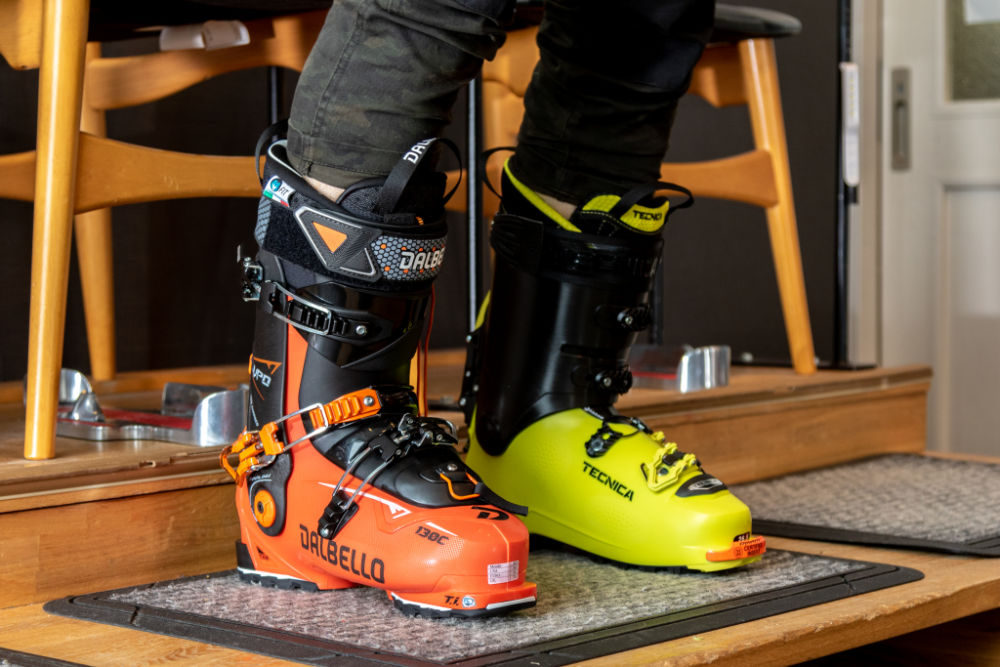
How Proper Ski Boots Improve Comfort, Safety and Control

How Early Smoke Detection Helps Prevent Costly Business Downtime

What Happens During Your First Meeting With a Lawyer

The Evolution Of Padel Equipment

10 Common Accounting Mistakes And How To Avoid Them
When Should You Hire a Personal Injury Lawyer Instead of Handling It Yourself?

Beyond the Screen: How Online Gaming Is Redefining Entertainment and Human Interaction


Don Toliver Net Worth: Height, Age, Real Name, Career & More
Don Toliver is an American rapper and singer best known for his RIAA platinum certified songs, No Idea and After...


Finesse2tymes Net Worth: Height, Age, Real Name & Career
Finesse2tymes is an American rapper and recording artist. He is mainly recognized for his thunderous voice and motivational lyrics in...


Sugarhill Ddot Net Worth: Height, Age, Real Name & Career
Sugarhill Ddot is an American hip-hop recording artist best known for his songs, Real Facts and I Wanna Love You....


GloRilla Net Worth: Height, Age, Bio, Real Name & Career
GloRilla is an American rapper and hip-hop recording artist from Memphis. She is best known for her popular singles, “Westside...


Destroy Lonely Net Worth: Height, Age, Real Name & Career
Destroy Lonely is an American rapper best known for his 2022 mixtape, No Stylist. He is currently signed to rapper...
-
Rappers1 year ago
GloRilla Net Worth: Height, Age, Bio, Real Name & Career
-
 Businessman1 year ago
Brandon Fugal Net Worth: How Rich is Skinwalker Ranch Owner?
-

 Rappers3 years ago
BigXthaPlug Net Worth: Height, Age, Real Name & Career
-

 TV Stars1 year ago
Kaleb Cooper Net Worth: How Rich is the TV Star Actually?
-

 Internet Stars3 years ago
Mufti Menk Net Worth: How Rich is the Islamic Speaker Actually?
-

 TV Stars1 year ago
Carla Diab Net Worth: How Rich is the TV Star Actually in 2025?
-

 Businessman2 years ago
7 Proven Lead Generation Strategies To Implement in 2023
-

 Rappers1 year ago
DD Osama Net Worth: Height, Age, Real Name, Career & More
You must be logged in to post a comment Login