
News
Luxury vs. Budget Bathroom Remodel: How to Decide What’s Worth It

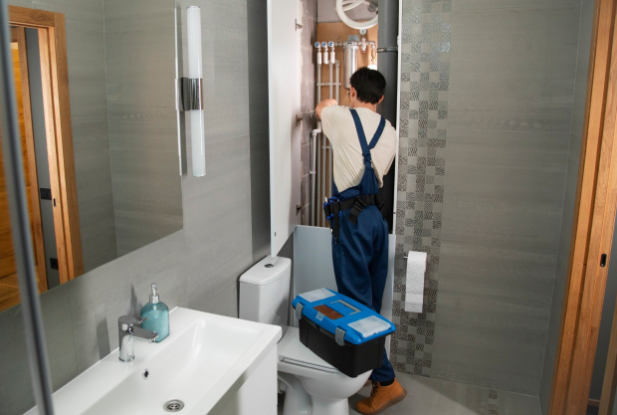
Bathroom remodels range from $5,000 budget updates to $50,000 luxury transformations. If you know where to spend money and where to save, it helps you create beautiful bathrooms without wasting your budget.
The right choices depend on your home, goals, and how long you plan to stay.
Understanding Your Remodel Goals
Start by asking why you’re remodeling. Your reasons determine where money makes the biggest impact.
Remodeling to Sell
Homes going on the market within two years need different approaches than homes you’ll keep for decades. Buyers notice certain features while ignoring others.
Mid-range remodels return 60 to 67 percent of costs when selling according to Remodeling Magazine’s Cost vs Value Report. Luxury remodels return only 54 percent. Budget updates return even less but cost so little that lost value matters less.
Focus on clean, neutral designs when selling. White subway tiles, chrome fixtures, and simple vanities appeal to most buyers. Unique luxury choices like gold fixtures or patterned tile appeal to fewer people, making homes harder to sell.
Remodeling for Yourself
Staying in your home long-term changes the calculation completely. You enjoy your investment for years making higher-end choices more worthwhile. Spending $3,000 extra on features you love costs less than $100 yearly over 30 years.
Personal taste matters more when you’re not selling soon. That bold tile pattern or statement bathtub brings you daily joy. This enjoyment has value beyond dollars.
Where Luxury Spending Pays Off
Some upgrades deliver enough benefit justifying higher costs. These investments improve daily life significantly or prevent future problems.
Quality Shower Systems
Budget shower valves cost $150. Quality thermostatic valves cost $500 to $800. The difference shows every single shower you take.
Cheap valves fluctuate temperature when toilets flush or washing machines fill. You get blasted with cold or scalded with hot water unexpectedly. Quality valves maintain constant temperature regardless of water use elsewhere.
Thermostatic valves also include volume controls. You set water flow separately from temperature. This feature improves safety and comfort substantially.
Large rain shower heads and body sprays transform shower experiences. These upgrades cost $300 to $1,000 but provide spa-like experiences daily. If you shower every day for ten years, that’s 3,650 showers justifying the investment.
Durable Flooring
Bathroom floors face water, humidity, and constant foot traffic. Cheap flooring fails within five years while quality flooring lasts 20 years or more.
Porcelain tile costs $5 to $15 per square foot installed. Luxury options reach $25 to $40 per square foot. However, even mid-range porcelain outlasts vinyl and laminate costing $3 to $6 per square foot.
Heated floors cost $800 to $1,500 for average bathrooms. This luxury feels amazing on cold mornings and helps dry bathrooms faster, preventing mold. Many homeowners call heated floors their favorite upgrade.
Proper Ventilation
Quality exhaust fans cost $200 to $400 compared to $50 budget fans. This difference prevents thousands in mold remediation and moisture damage.
Cheap fans move insufficient air or make loud noises. You turn them off because they’re annoying, defeating their purpose. Quality fans run quietly while removing moisture effectively.
Contractors working on bathroom remodeling Arvada projects and similar regional work often emphasize ventilation because mountain climate conditions create specific moisture challenges. Proper ventilation prevents condensation damage and mold growth that occurs when warm indoor air meets cold exterior walls during winter months.
Where Budget Choices Make Sense
Some areas look nearly identical whether you spend $100 or $1,000. Save money here and spend it where differences matter more.
Basic Fixtures
Toilets costing $200 work as well as toilets costing $800. Both flush effectively and last 20 years. The expensive version might look slightly sleeker, but most people never notice.
Basic chrome faucets cost $100 to $200. Designer faucets reach $500 to $1,200. Both deliver water and last similar timeframes. Unless you want specific finishes or styles, basic faucets work fine.
Towel bars, toilet paper holders, and robe hooks come in versions costing $10 or $100 each. The expensive versions look nicer initially but don’t function better. Save money on these accessories.
Simple Tile Patterns
Intricate tile patterns require extensive labor. A simple subway tile installation costs $8 to $12 per square foot installed. Complex patterns with multiple tile sizes cost $15 to $25 per square foot.
The tile material costs nearly the same. You’re paying for extra labor cutting and placing complicated patterns. Simple patterns look clean and timeless while costing half as much.
Accent strips and decorative borders add costs without adding much visual impact. A single well-chosen tile installed simply often looks better than busy patterns trying too hard.
Stock Vanities
Custom vanities cost $2,000 to $5,000. Quality stock vanities cost $600 to $1,500. Both provide storage and counter space. Custom vanities fit spaces perfectly while stock vanities require working with standard sizes.
Most bathrooms accommodate stock vanity sizes. Measure carefully and you’ll find stock options fitting your space well. The thousands saved buy upgrades elsewhere with bigger impact.
Paint stock vanities if you want custom colors. A $40 quart of specialty cabinet paint transforms a basic vanity into something looking much more expensive.
Splurge vs. Save in Key Areas
Countertops
Laminate countertops cost $25 to $50 per square foot installed. Quartz costs $75 to $150 per square foot. Marble reaches $100 to $200 per square foot.
Quartz provides good value at middle pricing. The material resists stains and damage while looking high-end. Quartz lasts 20-plus years without sealing or special maintenance.
Marble looks stunning but requires constant care. Water spots, toothpaste, and cosmetics stain marble easily. Choose marble only if you’ll maintain it properly.
Small bathroom countertops use limited square footage. The difference between laminate and quartz might only be $400 to $600 total. This small upgrade delivers significant appearance improvements.
Lighting
Builder-grade light bars cost $30 to $60. They work but look cheap and provide poor lighting. Spending $150 to $300 on quality fixtures dramatically improves bathroom appearance.
Good lighting helps with makeup, shaving, and general visibility. Fixtures casting shadows on faces frustrate daily grooming. Quality fixtures with proper placement make bathrooms more functional.
Dimmer switches cost $30 to $50 installed. This small upgrade lets you adjust lighting for different times and moods. Bright light for morning routines and softer light for evening baths.
Mirrors
Basic wall mirrors cost $50 to $150. Framed mirrors or medicine cabinets with mirrors cost $200 to $800. The upgrade makes significant visual impact.
Medicine cabinets provide storage while serving as mirrors. This dual purpose justifies higher costs. However, simple framed mirrors create custom looks for less than elaborate cabinets.
Large mirrors make small bathrooms feel bigger. Spending extra on properly sized mirrors pays off through improved space perception.
Smart Ways to Mix Luxury and Budget
The best remodels combine luxury splurges with budget savings. This approach maximizes impact while controlling total costs.
The 60-30-10 Rule
Spend 60 percent of your budget on permanent elements like tile, fixtures, and ventilation. These items are expensive to change later so get them right now.
Allocate 30 percent to visible elements like vanities, lighting, and mirrors. These items make strong impressions but can be changed more easily in the future.
Reserve 10 percent for accessories and finishing touches. Hardware, towel bars, and decorative elements personalize spaces without major investments.
Do Some Work Yourself
Save labor costs by handling tasks you can do safely. Painting, installing accessories, and demolition work suit handy homeowners.
Leave plumbing, electrical, and tile work to professionals. Mistakes in these areas cost more to fix than hiring experts initially. Water leaks and electrical problems create dangerous, expensive situations.
Phase Your Project
Complete essential work now and plan luxury additions later. Install quality shower valves and ventilation immediately. Add heated floors or upgraded lighting fixtures in year two.
Phasing spreads costs over time making larger projects affordable. You also live with the basic remodel before committing to additional investments.
What Professional Contractors Recommend
Experienced contractors see which upgrades clients love and which they regret. This perspective helps guide your decisions.
Most contractors suggest spending on water-related items. Quality shower systems, proper waterproofing, and good ventilation prevent problems while improving daily experiences.
They recommend saving on trendy design elements. Styles change and what looks current today feels dated in five years. Classic simple designs stay attractive longer.
Contractors also suggest proper preparation work. Level floors, straight walls, and quality underlayment cost money but ensure finish materials install correctly and last their full lifespans.
Making Your Decision
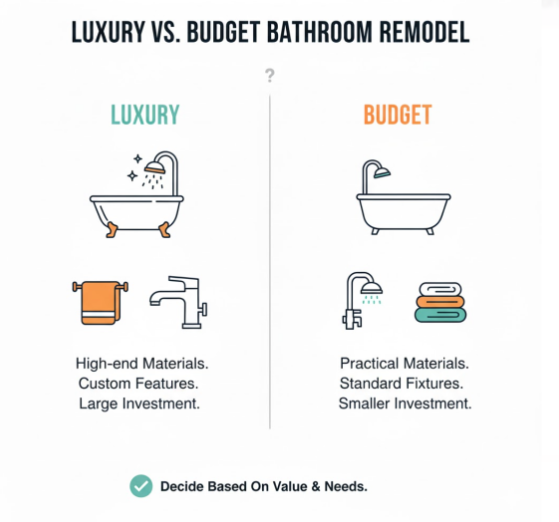
Create a spreadsheet listing all potential upgrades. Research costs for budget, mid-range, and luxury versions of each item. This comparison reveals where price differences are small and where they’re significant.
Prioritize items you interact with daily. Shower systems, faucets, and lighting get used every day. Decorative tile borders get glanced at occasionally. Spend money where you’ll notice the difference.
Consider your home’s overall value. A $40,000 bathroom in a $200,000 home represents poor investment. A $15,000 bathroom in the same home makes more sense.
Talk to real estate agents about your market. They know which bathroom features help homes sell and which ones buyers ignore. This information guides decisions when you’re remodeling to sell.
Bathroom remodels balance dreams with budgets. The right approach combines careful spending on important elements with smart savings on areas where expensive versions don’t deliver proportional value. Understanding these differences helps you create bathrooms you’ll love without wasting money on upgrades providing minimal benefit.


How to Succeed in Medical School Interviews with AYCI Academy

5 Ways to Learn About Modern Cybersecurity Practices in 2026

4 Lifestyle Changes That Come With Community Living

How to Lower Your Car Insurance Premiums Without Sacrificing Coverage

Plants You Should Be Growing Inside

Nootropic Stack Guide for Focus, Memory, and Safer Choices

The Rising Importance of International Travel Insurance in a Globalized World

A Guide to Choosing the Right Bible for Your Spiritual Journey

Personal Injury Lawyer in Houston, Texas: Wrongful Death Truck Accident Claims

Why Transfer Admissions Are a Fresh Start, Not a Setback

Essential Financial Strategies for Expanding a Business into Asian Markets

Why High Earners Are Investing Heavily in Premium Aesthetic Health

Tradeshow Booth Ideas That Help Your Brand Stand Out

How High Earners Protect Their Greatest Asset Through Preventative Health and Mobility

Why High Earners Are Treating Preventative Skincare as Their Next Big Investment

Parklife, Manchester Uncovered: How Are Big Music Festivals Planned?


Don Toliver Net Worth: Height, Age, Real Name, Career & More
Don Toliver is an American rapper and singer best known for his RIAA platinum certified songs, No Idea and After...


Finesse2tymes Net Worth: Height, Age, Real Name & Career
Finesse2tymes is an American rapper and recording artist. He is mainly recognized for his thunderous voice and motivational lyrics in...


Sugarhill Ddot Net Worth: Height, Age, Real Name & Career
Sugarhill Ddot is an American hip-hop recording artist best known for his songs, Real Facts and I Wanna Love You....


GloRilla Net Worth: Height, Age, Bio, Real Name & Career
GloRilla is an American rapper and hip-hop recording artist from Memphis. She is best known for her popular singles, “Westside...


Destroy Lonely Net Worth: Height, Age, Real Name & Career
Destroy Lonely is an American rapper best known for his 2022 mixtape, No Stylist. He is currently signed to rapper...
-
Rappers1 year ago
GloRilla Net Worth: Height, Age, Bio, Real Name & Career
-
 Businessman1 year ago
Brandon Fugal Net Worth: How Rich is Skinwalker Ranch Owner?
-

 Rappers3 years ago
BigXthaPlug Net Worth: Height, Age, Real Name & Career
-

 TV Stars1 year ago
Kaleb Cooper Net Worth: How Rich is the TV Star Actually?
-

 Internet Stars3 years ago
Mufti Menk Net Worth: How Rich is the Islamic Speaker Actually?
-

 Businessman2 years ago
7 Proven Lead Generation Strategies To Implement in 2023
-

 TV Stars1 year ago
Carla Diab Net Worth: How Rich is the TV Star Actually in 2025?
-

 News2 years ago
Trash To Treasure: Maximizing Space And Efficiency Through Junk Removal
You must be logged in to post a comment Login