
Others
Severe Bleeding First Aid Training: Essential Skills for Emergencies

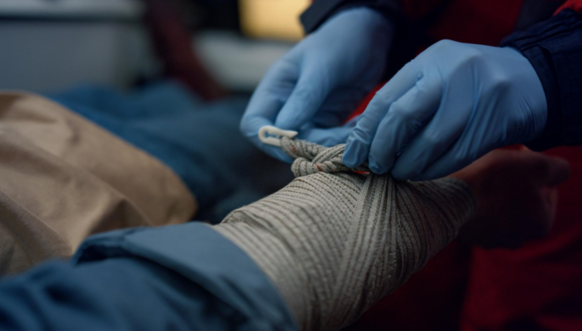
Did you know that the global first aid market is projected to reach $6.18 billion by 2030? This shows how important first aid skills are for saving lives.
In emergencies, knowing how to manage severe bleeding can save a life. Accidents can happen at work, on the road, or at home. Having the right skills helps you act confidently.
In this article, we will cover essential skills to manage severe bleeding in emergencies. Each skill helps you respond effectively. Keep reading to learn more.
Recognizing When Severe Bleeding Occurs
Understanding the signs of severe bleeding is crucial for effective intervention. Severe bleeding, or hemorrhage, can come from accidents, deep cuts, or traumatic injuries. Key indicators include:
- Blood gushing from a wound
- Heavy bleeding
- Blood soaking through clothing
You need to identify these signs quickly. Acting fast is very important. Quick action can save lives.
Applying Direct Pressure
Your first step is to apply direct pressure to the wound. This is one of the most effective ways to control bleeding. Firm and steady pressure can slow down blood flow quickly.
Use a clean cloth or your hand to press directly on the wound. Make sure to cover the bleeding area completely. Keep pressing without stopping.
If blood soaks through the cloth, do not remove it. Add another layer on top to maintain pressure. Continuous pressure helps the body form a clot and reduce blood loss.
Using Dressings and Bandages
In severe bleeding first aid training, knowing how to use dressings and bandages is very important. Sterile dressings help prevent infection. They also support proper healing.
Always use sterile gauze or dressings on the wound. Secure the dressing with a bandage. Make sure the bandage does not cut off circulation.
Change dressings regularly to keep the wound clean. Proper bandaging helps control bleeding. It also promotes faster recovery.
Elevation of the Affected Area
Raising the injured area above heart level can help slow bleeding. Gravity reduces blood flow to the wound, making it easier to manage and control.
Always keep direct pressure on the wound while raising the limb. Pressure and elevation together work best. This combination helps limit blood loss.
Knowing When to Use a Tourniquet
A tourniquet can save a life when bleeding cannot be controlled by pressure. It is an important tool for managing severe bleeding. Training helps you learn how and when to use it safely.
Apply the tourniquet to the injured limb only. Place it about two to three inches above the wound. Never put it directly over a joint.
Calling for Emergency Assistance
After you take steps to control severe bleeding, call for emergency medical help right away. Time is very important in serious situations. Professional care can make a big difference in saving lives.
In training, you learn how to communicate with emergency responders. Sharing the right information helps them act quickly. This improves the chances of a successful response.
You can also join comprehensive programs from organizations like MyCPR NOW. These programs give hands-on experience to build your confidence. They prepare you to act effectively when every second matters.
Your Lifeline in Severe Bleeding Emergencies
Understanding how to manage severe bleeding can save lives. Learning essential skills helps you respond quickly in emergencies. Being prepared gives you confidence to act when it matters most.
Enroll in severe bleeding first aid training to start learning these skills. Training helps you handle critical situations effectively. Your readiness can make a real difference in saving a life.
If you enjoyed this article, check out more articles on our blog.


How to Succeed in Medical School Interviews with AYCI Academy

5 Ways to Learn About Modern Cybersecurity Practices in 2026

4 Lifestyle Changes That Come With Community Living

How to Lower Your Car Insurance Premiums Without Sacrificing Coverage

Plants You Should Be Growing Inside

Nootropic Stack Guide for Focus, Memory, and Safer Choices

The Rising Importance of International Travel Insurance in a Globalized World

A Guide to Choosing the Right Bible for Your Spiritual Journey

Personal Injury Lawyer in Houston, Texas: Wrongful Death Truck Accident Claims

Why Transfer Admissions Are a Fresh Start, Not a Setback

Essential Financial Strategies for Expanding a Business into Asian Markets

Why High Earners Are Investing Heavily in Premium Aesthetic Health

Tradeshow Booth Ideas That Help Your Brand Stand Out

How High Earners Protect Their Greatest Asset Through Preventative Health and Mobility

Why High Earners Are Treating Preventative Skincare as Their Next Big Investment

Parklife, Manchester Uncovered: How Are Big Music Festivals Planned?


Don Toliver Net Worth: Height, Age, Real Name, Career & More
Don Toliver is an American rapper and singer best known for his RIAA platinum certified songs, No Idea and After...


Finesse2tymes Net Worth: Height, Age, Real Name & Career
Finesse2tymes is an American rapper and recording artist. He is mainly recognized for his thunderous voice and motivational lyrics in...


Sugarhill Ddot Net Worth: Height, Age, Real Name & Career
Sugarhill Ddot is an American hip-hop recording artist best known for his songs, Real Facts and I Wanna Love You....


GloRilla Net Worth: Height, Age, Bio, Real Name & Career
GloRilla is an American rapper and hip-hop recording artist from Memphis. She is best known for her popular singles, “Westside...


Destroy Lonely Net Worth: Height, Age, Real Name & Career
Destroy Lonely is an American rapper best known for his 2022 mixtape, No Stylist. He is currently signed to rapper...
-
Rappers1 year ago
GloRilla Net Worth: Height, Age, Bio, Real Name & Career
-
 Businessman1 year ago
Brandon Fugal Net Worth: How Rich is Skinwalker Ranch Owner?
-

 Rappers3 years ago
BigXthaPlug Net Worth: Height, Age, Real Name & Career
-

 TV Stars1 year ago
Kaleb Cooper Net Worth: How Rich is the TV Star Actually?
-

 Internet Stars3 years ago
Mufti Menk Net Worth: How Rich is the Islamic Speaker Actually?
-

 Businessman2 years ago
7 Proven Lead Generation Strategies To Implement in 2023
-

 TV Stars1 year ago
Carla Diab Net Worth: How Rich is the TV Star Actually in 2025?
-

 News2 years ago
Trash To Treasure: Maximizing Space And Efficiency Through Junk Removal
You must be logged in to post a comment Login