
News
Should Patients Be Able to Text Back?

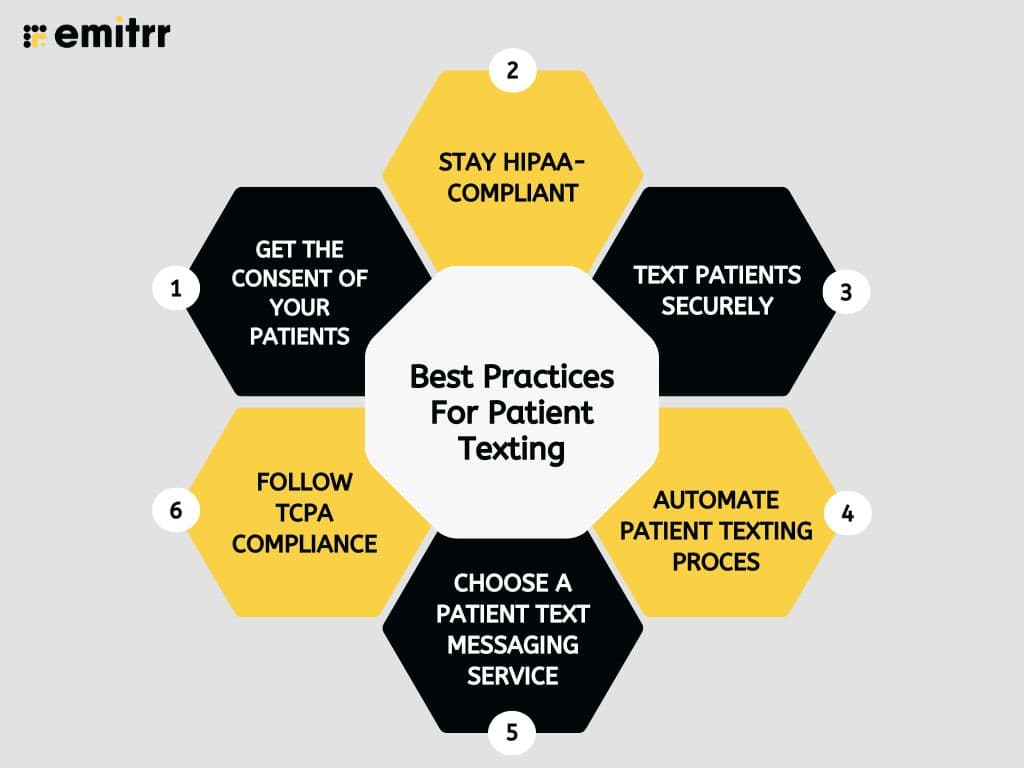
Patient texting has become one of the most reliable ways to keep schedules organized and reduce no-shows. Most practices already send reminders, confirmations, and quick notices through automated systems. The question many clinics are asking now is whether patients should be able to reply. A one-way system delivers information. A two-way system supports a conversation. The difference shapes how patients experience your practice and how your team manages daily workflow.
Look at What Patients Try to Do With Texting
Patients treat text messages the same way they treat every other message on their phone. When they see a reminder, they naturally respond with a question, a request, or an update. They might need to adjust arrival time, confirm a copay, or ask whether they should fast before a lab. If replies bounce back or disappear into a no-reply inbox, frustration builds quickly. A system that blocks communication may save administrative time in the short term, but it pushes patients toward phone calls and leaves staff juggling more follow-up work.
Consider Convenience
A two-way patient texting system gives patients a simple channel to handle small tasks that don’t require a full phone conversation. They can request a reschedule, clarify a visit type, or ask about parking without waiting on hold. Clinics that move to this model often see smoother days because the scheduling team can respond to short questions quickly instead of navigating longer calls. The convenience benefits both sides; patients feel heard, and staff manage fewer preventable bottlenecks.
Understand the Impact on Workflows
A texting system becomes effective only when it fits into daily operations. Teams need clear expectations around who monitors messages, how quickly to respond, and what questions should be redirected to phone or portal communication. When roles are defined and the system routes messages intelligently, your staff avoids overload. Practices using structured workflows often find that two-way texting reduces call volume and lowers the number of missed or incomplete appointments.
Evaluate Safety and Documentation
Two-way messaging introduces decisions about what information belongs in a text. Sensitive clinical details require secure channels, not SMS. Practices should set boundaries that keep communication safe while still allowing everyday questions. A good system helps route messages appropriately, flag anything that needs to be documented, and guide patients to the right tools when topics become clinical rather than logistical.
Listen to Patient and Staff Feedback
Patients often tell you directly whether a communication system works. Staff recognize gaps just as quickly. When both groups describe friction—confusing automated messages, missed texts, or unanswered replies—it’s a sign the current setup isn’t supporting communication as well as it could. The best systems make scheduling simpler, not heavier, and give patients a clear sense of connection throughout their care.
Two-way texting isn’t about adding another channel. It’s about meeting patients where they already are and giving staff a workflow that keeps each day more efficient, predictable, and supportive.


How to Succeed in Medical School Interviews with AYCI Academy

5 Ways to Learn About Modern Cybersecurity Practices in 2026

4 Lifestyle Changes That Come With Community Living

How to Lower Your Car Insurance Premiums Without Sacrificing Coverage

Plants You Should Be Growing Inside

Nootropic Stack Guide for Focus, Memory, and Safer Choices

The Rising Importance of International Travel Insurance in a Globalized World

A Guide to Choosing the Right Bible for Your Spiritual Journey

Personal Injury Lawyer in Houston, Texas: Wrongful Death Truck Accident Claims

Why Transfer Admissions Are a Fresh Start, Not a Setback

Essential Financial Strategies for Expanding a Business into Asian Markets

Why High Earners Are Investing Heavily in Premium Aesthetic Health

Tradeshow Booth Ideas That Help Your Brand Stand Out

How High Earners Protect Their Greatest Asset Through Preventative Health and Mobility

Why High Earners Are Treating Preventative Skincare as Their Next Big Investment

Parklife, Manchester Uncovered: How Are Big Music Festivals Planned?


Don Toliver Net Worth: Height, Age, Real Name, Career & More
Don Toliver is an American rapper and singer best known for his RIAA platinum certified songs, No Idea and After...


Finesse2tymes Net Worth: Height, Age, Real Name & Career
Finesse2tymes is an American rapper and recording artist. He is mainly recognized for his thunderous voice and motivational lyrics in...


Sugarhill Ddot Net Worth: Height, Age, Real Name & Career
Sugarhill Ddot is an American hip-hop recording artist best known for his songs, Real Facts and I Wanna Love You....


GloRilla Net Worth: Height, Age, Bio, Real Name & Career
GloRilla is an American rapper and hip-hop recording artist from Memphis. She is best known for her popular singles, “Westside...


Destroy Lonely Net Worth: Height, Age, Real Name & Career
Destroy Lonely is an American rapper best known for his 2022 mixtape, No Stylist. He is currently signed to rapper...
-
Rappers1 year ago
GloRilla Net Worth: Height, Age, Bio, Real Name & Career
-
 Businessman1 year ago
Brandon Fugal Net Worth: How Rich is Skinwalker Ranch Owner?
-

 Rappers3 years ago
BigXthaPlug Net Worth: Height, Age, Real Name & Career
-

 TV Stars1 year ago
Kaleb Cooper Net Worth: How Rich is the TV Star Actually?
-

 Internet Stars3 years ago
Mufti Menk Net Worth: How Rich is the Islamic Speaker Actually?
-

 Businessman2 years ago
7 Proven Lead Generation Strategies To Implement in 2023
-

 TV Stars1 year ago
Carla Diab Net Worth: How Rich is the TV Star Actually in 2025?
-

 News2 years ago
Trash To Treasure: Maximizing Space And Efficiency Through Junk Removal
You must be logged in to post a comment Login