
News
5 Ways Weather Damage Impacts Your Roof

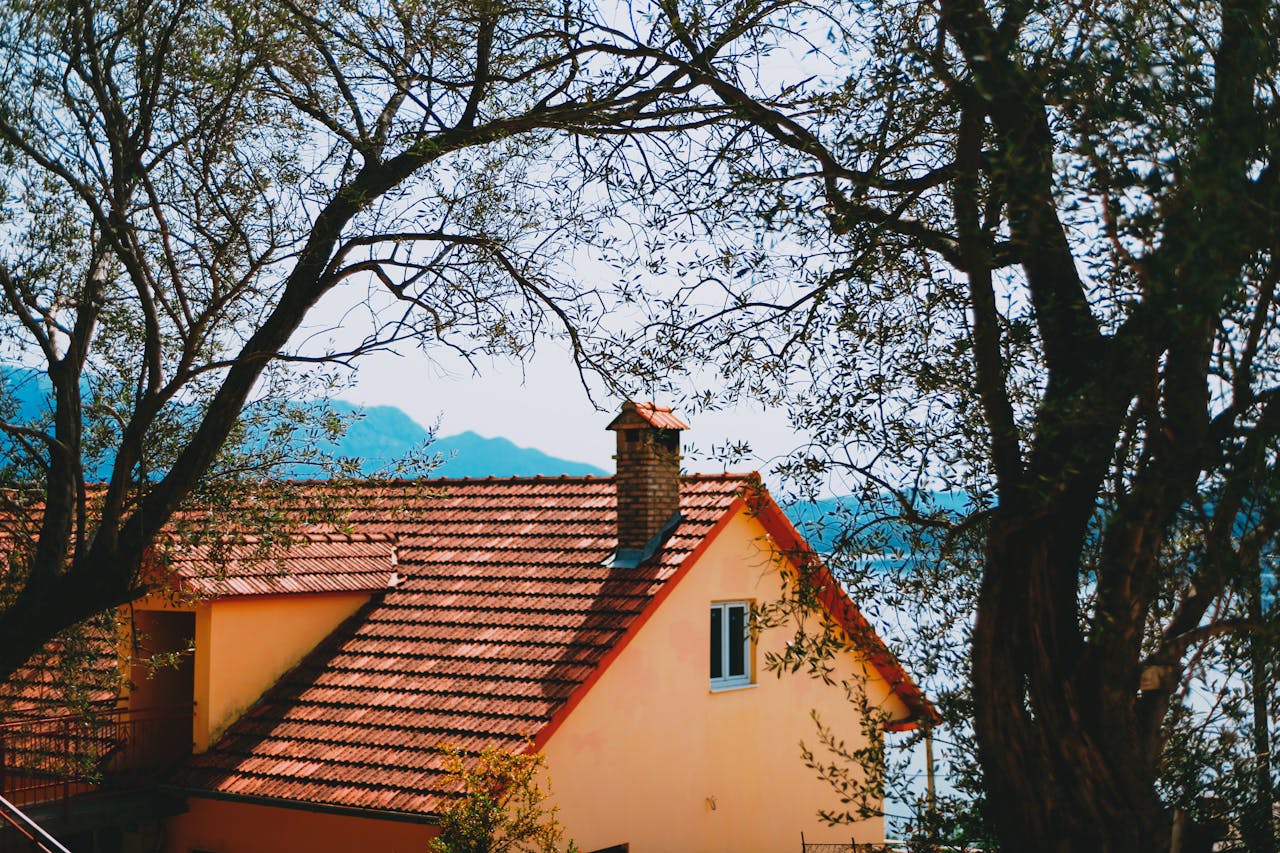
Your roof stands as your home’s first line of defense against whatever Mother Nature throws its way. Day after day, season after season, it takes a beating from rain, wind, sun, and everything in between. Understanding how different weather patterns wear down your roofing system isn’t just helpful, it’s essential for keeping your home safe and avoiding those wallet-draining emergency repairs. Weather damage doesn’t always announce itself with a dramatic crash.
1. Wind Damage Creates Vulnerable Entry Points
Wind damage ranks among the most dramatic and visible threats your roof will face, especially when storm season rolls around. Once wind speeds hit forty miles per hour or higher, shingles start lifting, cracking, or tearing right off the roof deck. The damage typically starts where wind forces hit hardest, along edges and corners, then spreads outward like an unzipping zipper. Missing or compromised shingles leave everything underneath exposed to moisture, which is when the real trouble begins.
2. Hail Impact Causes Immediate Structural Compromise
Hailstorms pack a punch that can wreck your roof in minutes flat, leaving damage you might not even spot from your driveway. How bad is the damage? That depends on how big the hailstones are, how fast the wind’s blowing, and whether your roofing materials are new or already showing their age. Asphalt shingles get bruised when hail knocks those protective granules loose, exposing the mat underneath and killing the roof’s ability to bounce back UV rays. Metal roofs end up with dents that mess with water flow patterns and curb appeal, while tile roofs can crack or completely shatter when large hail comes crashing down.
3. Heavy Rainfall and Standing Water Lead to Leaks
Heavy rainfall puts your roof’s waterproofing to the ultimate test, exposing weak spots in your drainage system that might hide during dry spells. When gutters get jammed with leaves and debris, water has nowhere to go but up, backing up along the roof edge and sneaking under shingles or through flashing around chimneys and vents. Flat roofs or those with low slopes? They’re magnets for ponding water that just sits there for days after the rain stops. That standing water becomes incredibly persistent, working its way through the tiniest cracks and seams in your roofing membrane until you’ve got water stains on your ceiling and soggy insulation.
4. Temperature Extremes Cause Expansion and Contraction
Temperature swings force your roofing materials into a constant cycle of expanding and contracting, creating stress that slowly breaks down structural connections. On a blazing summer day, asphalt shingles can hit temperatures north of one hundred sixty degrees, softening them up until they’re practically pliable. This intense heat bakes out the volatile oils that keep shingles flexible, leaving them brittle and ready to crack as they age. Flip to winter, and freezing temperatures make those same materials contract and stiffen, reducing flexibility and making them vulnerable to impact damage. This constant hot-cold cycle wreaks havoc at connection points, loosening fasteners and breaking down seals around flashing and vents.
Metal roofing components really feel this thermal movement, improper installation without expansion joints leads to fasteners backing out and panels shifting out of alignment. When evaluating thermal stress on roofing systems, professionals who need to assess climate-specific conditions often rely on experienced Austin roofing contractors to implement proper ventilation solutions. Good attic ventilation works like a thermostat for your roof, letting heat escape in summer and preventing those nasty ice dams in winter. Skimp on ventilation, and you’re not just accelerating temperature-related damage, you might even void your manufacturer’s warranty.
5. UV Radiation Degrades Roofing Materials Over Time
Ultraviolet radiation plays the long game, silently breaking down the chemical bonds in your roofing materials day after relentless day. The sun’s UV rays attack those petroleum-based compounds in asphalt shingles, stripping away flexibility and protective granules at an alarming rate. This process hits especially hard in areas where the sun beats down constantly with minimal cloud cover to offer relief. Once that protective granule layer wears thin, the asphalt mat underneath gets exposed to UV rays and weather elements, cutting your roof’s lifespan dramatically short.
Conclusion
Weather-related roof damage comes in many forms, each one capable of compromising your home’s protection and draining your bank account if you ignore the warning signs. Whether it’s the instant impact of hail and wind or the slow burn of UV radiation and temperature cycling, these weather factors team up to age and weaken your roofing system. Getting professional inspections regularly, especially after severe weather rolls through, helps you catch damage when fixes are still simple and affordable. Stay on top of maintenance by cleaning gutters, optimizing ventilation, and jumping on minor repairs before they balloon into major headaches.


How Smarter Payment Operations Shape the Business Behind Digital Gaming

How Medical Internships Abroad Shape Future Healthcare Professionals

What Players Should Know Before Choosing an Online Slot Website

Bola88 Live Jadi Pilihan Pemain Slot Online dengan Game Populer

How to Style Your Bed Using a Luxury Bedding Set Like a Pro – LatestBedding Guide

Everything You Need to Know Before Buying Pure Parima Bed Sheets: A Complete Buyer’s Guide

Affordable Luxury Bedding Under $150: Bebejan Top Reversible Comforter Picks

How to Stay Safe on Los Angeles Roads: Practical Driving Tips for Everyday Drivers

How Are Discussion Board Assignments Graded? A UK Student’s Guide to Forum Posts That Actually Earn Marks

The Traders’ Safety Net: Essential Automated Risk Rules That Prevent Account Blowouts

How to Use AI for Business Automation: Top Use Cases & Real-World Examples

What Should You Consider Before You Buy Black Tea Online?

How to Buy Sports Cards Like an Experienced Collector

How Kansas City Veterans Court Helps Veterans Avoid Future Legal Trouble

Understanding the FCRA and Its Impact on Background Checks

Aspire Gotek X Review: The Cheapest Way to Find Out What Draw You Actually Like


Don Toliver Net Worth: Height, Age, Real Name, Career & More
Don Toliver is an American rapper and singer best known for his RIAA platinum certified songs, No Idea and After...


Finesse2tymes Net Worth: Height, Age, Real Name & Career
Finesse2tymes is an American rapper and recording artist. He is mainly recognized for his thunderous voice and motivational lyrics in...


Sugarhill Ddot Net Worth: Height, Age, Real Name & Career
Sugarhill Ddot is an American hip-hop recording artist best known for his songs, Real Facts and I Wanna Love You....


GloRilla Net Worth: Height, Age, Bio, Real Name & Career
GloRilla is an American rapper and hip-hop recording artist from Memphis. She is best known for her popular singles, “Westside...


Destroy Lonely Net Worth: Height, Age, Real Name & Career
Destroy Lonely is an American rapper best known for his 2022 mixtape, No Stylist. He is currently signed to rapper...
-
Rappers2 years ago
GloRilla Net Worth: Height, Age, Bio, Real Name & Career
-

 News2 years ago
Trash To Treasure: Maximizing Space And Efficiency Through Junk Removal
-

 Businessman3 years ago
7 Proven Lead Generation Strategies To Implement in 2023
-
 Businessman2 years ago
Brandon Fugal Net Worth: How Rich is Skinwalker Ranch Owner?
-

 Rappers3 years ago
BigXthaPlug Net Worth: Height, Age, Real Name & Career
-

 TV Stars2 years ago
Kaleb Cooper Net Worth: How Rich is the TV Star Actually?
-

 Internet Stars3 years ago
Mufti Menk Net Worth: How Rich is the Islamic Speaker Actually?
-

 TV Stars2 years ago
Carla Diab Net Worth: How Rich is the TV Star Actually in 2025?
You must be logged in to post a comment Login