
Articles
The 2026 FIFA World Cup Could Turn Every Phone Into a Second Stadium

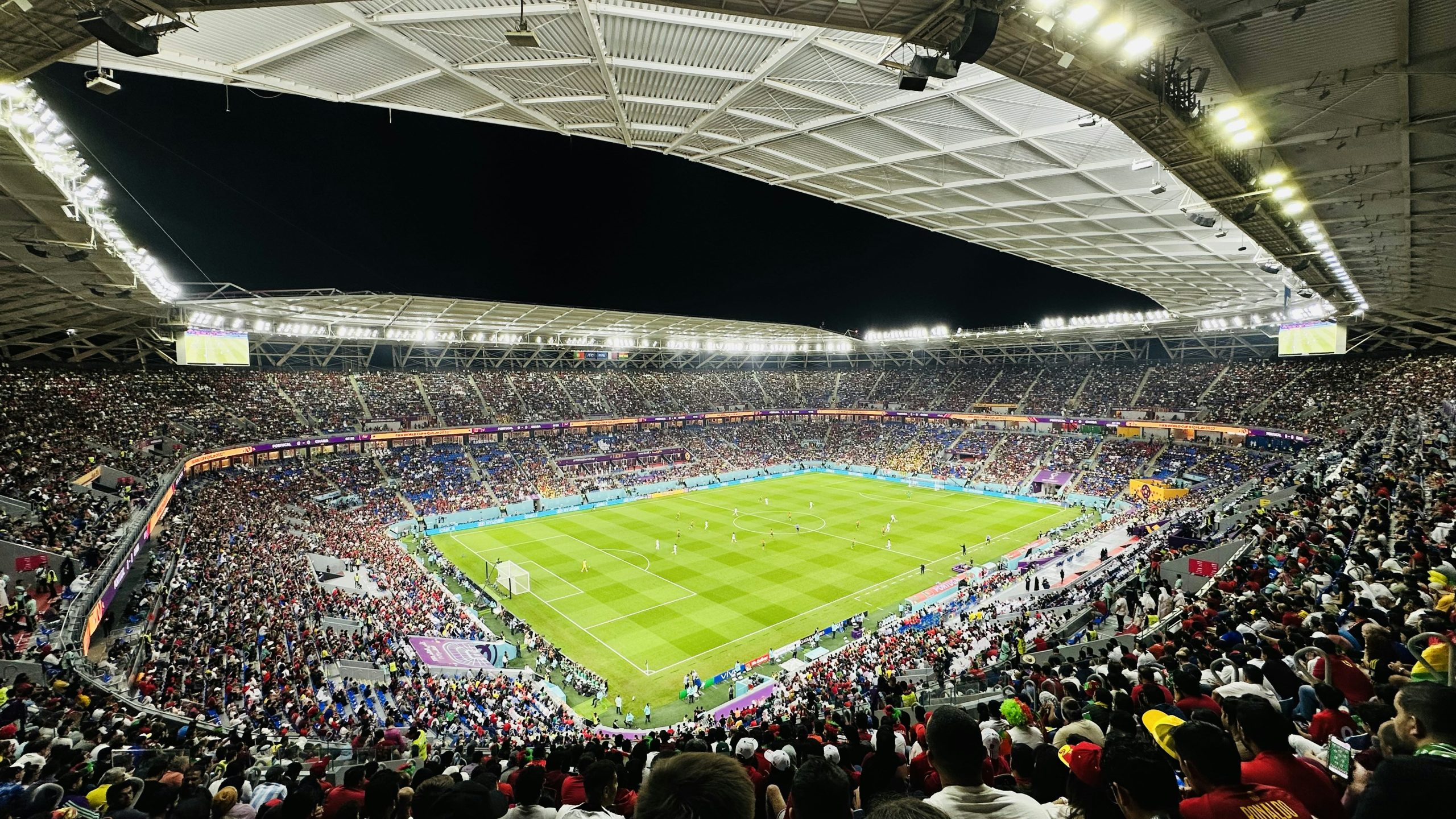
The next FIFA World Cup may become the biggest second-screen event sport has ever seen. Fans already spend matches glued to phones; 2026 could push football prediction culture into every minute of the tournament.
This year’s World Cup is going to feel different from the second the first match kicks off. Phones already sit beside the TV during almost every big football game, though the 2026 tournament could push that habit even further because fans are following predictions, live odds, reaction clips, and group chats all at once. FIFA expanded the tournament to 48 teams and 104 matches, which means football conversation will barely slow down for more than a month once the competition starts.
Football Fans Are Turning Every Match Into a Prediction Game
Football supporters used to argue about matches before kickoff, then move on after the final whistle. That rhythm changed once social media, livestreaming, and mobile betting apps became part of everyday football culture. A Champions League game now runs across several screens at the same time because fans keep checking stats, live reactions, and score forecasts during the match itself.
That behaviour becomes even stronger during major tournaments. The 2022 World Cup final between Argentina and France drew an estimated global audience of 1.5 billion viewers, and FIFA expects the 2026 tournament to break previous records because of the expanded format.
Live football engagement now stretches far beyond the television because supporters follow score forecasts, in-play odds, and tactical discussion during matches themselves. Modern football viewing now revolves around constant football prediction activity tied directly to live leagues, international tournaments, and real-time match events. Goals, cards, substitutions, and momentum swings trigger instant reactions because most fans already have their phones open beside them before kickoff even starts.
The 2026 World Cup Is Becoming a Massive Global Business Event
The 2026 FIFA World Cup will stretch across the United States, Canada, and Mexico with 48 teams playing 104 matches, making it the largest tournament FIFA has ever organised. FIFA projects around 6.5 million fans attending matches in person, while global viewership could climb close to 5 billion throughout the competition. Tournament revenue projections currently sit near $13 billion because broadcasting rights, sponsorships, and digital engagement keep climbing around major football events.
That financial scale explains why football companies push so hard into online engagement during tournaments. The commercial side of the 2026 World Cup already looks enormous because brands want constant access to football audiences before matches, during games, and long after the highlights hit social media. Betting companies fit naturally into that environment because football discussion now runs nonstop across phones, streaming platforms, and live score apps throughout major tournaments.
Matchday Habits Changed Once Phones Became Part of Football Culture
A football match hardly ever lives in one place anymore. Somebody watching Real Madrid against Manchester City might also scroll reactions on X, watch tactical clips on TikTok, and check score predictions between attacks. The television still matters, though the phone now controls a huge part of the matchday experience because conversation moves constantly during live games.
Gen Z and Millennial audiences especially consume football differently from previous generations. Nielsen reported that mobile viewing and second-screen interaction climbed sharply during recent international tournaments because fans want constant updates during games instead of waiting for halftime analysis. The same supporter who watches the match also follows fantasy football scores, player reactions, transfer rumours, and betting markets at the same time. Football became a running digital conversation rather than a simple ninety-minute broadcast.
The 2026 World Cup Could Send Football Money Into Another Stratosphere
The 2026 FIFA World Cup already looks enormous before a ball has even been kicked. FIFA expects roughly 6.5 million supporters to attend matches across the United States, Canada, and Mexico, while global viewership projections sit near 5 billion. Tournament revenue could climb close to $13 billion once broadcasting rights, sponsorship deals, ticket sales, and digital advertising are fully counted.
That kind of exposure changes careers very quickly in modern football. A strong World Cup run can completely raise the commercial profile of newer stars because transfer values, sponsorship offers, and social media followings usually explode during major tournaments. Kylian Mbappé became one of football’s biggest global names after the 2018 World Cup, while Lionel Messi’s commercial reach climbed even further after Argentina won the 2022 final.
Clubs and sponsors already know the 2026 tournament could create the next generation of football celebrities almost overnight because every match now lives across livestreams, clips, prediction discussions, and social feeds at the same time.
The World Cup Could Become the Biggest Second-Screen Event in Sports
The 2026 World Cup may end up feeling less like a tournament and more like a month-long internet event built around football. Matches will run almost daily across North America, reaction clips will spread within minutes, and prediction culture will follow every major storyline from kickoff until the final.
That constant engagement explains why football attracts such enormous commercial attention during international tournaments. Fans no longer sit through matches passively because the modern football experience keeps moving across phones, livestreams, betting apps, and social feeds from morning until late at night. The football itself still sits at the centre of everything; the difference now is that the conversation hardly ever stops.


7 Warning Signs Your Home’s Sewer Line Needs Attention

Why Custom T-Shirts Are the Smartest Brand Investment You Can Make

Preparing a New Development for Its First Occupants: The Final Steps Before Handover

Safer Aging at Home: A Daily Plan for Mobility, Fall Prevention, and Peace of Mind

Understanding Annual Maintenance, Custody, and DP Charges in Your Demat App and Trading Account

What Turns a Karaoke Room Into a Premium Product

How Celebrities Actually Move Their Money: Inside the Payment Methods the Rich Prefer

Direct Baccarat Website – Discover Modern Baccarat Gameplay Options

How Much Money Does Clash of Clans Actually Make?

How Much Do NFL & NBA Stars Actually Bet? The Real Numbers

NFL’s Richest Stars vs. The Texas Casino Ban

Brahim Díaz – A Journey Of Remarkable Growth In 2026

Earrings for Men: The Complete Style Guide to Wearing Studs and Hoops in 2026

What to Know About Drunk Driving Accident Claims in McAllen

The Difference Between a Soft Floral and a Fresh Floral Fragrance

Aetna 2027 Medicare Advantage Plans: What Seniors Need to Know


Don Toliver Net Worth: Height, Age, Real Name, Career & More
Don Toliver is an American rapper and singer best known for his RIAA platinum certified songs, No Idea and After...


Finesse2tymes Net Worth: Height, Age, Real Name & Career
Finesse2tymes is an American rapper and recording artist. He is mainly recognized for his thunderous voice and motivational lyrics in...


Sugarhill Ddot Net Worth: Height, Age, Real Name & Career
Sugarhill Ddot is an American hip-hop recording artist best known for his songs, Real Facts and I Wanna Love You....


GloRilla Net Worth: Height, Age, Bio, Real Name & Career
GloRilla is an American rapper and hip-hop recording artist from Memphis. She is best known for her popular singles, “Westside...


Destroy Lonely Net Worth: Height, Age, Real Name & Career
Destroy Lonely is an American rapper best known for his 2022 mixtape, No Stylist. He is currently signed to rapper...
-
Rappers2 years ago
GloRilla Net Worth: Height, Age, Bio, Real Name & Career
-

 News2 years ago
Trash To Treasure: Maximizing Space And Efficiency Through Junk Removal
-

 Businessman3 years ago
7 Proven Lead Generation Strategies To Implement in 2023
-
 Businessman2 years ago
Brandon Fugal Net Worth: How Rich is Skinwalker Ranch Owner?
-

 Rappers3 years ago
BigXthaPlug Net Worth: Height, Age, Real Name & Career
-

 TV Stars2 years ago
Kaleb Cooper Net Worth: How Rich is the TV Star Actually?
-

 Internet Stars4 years ago
Mufti Menk Net Worth: How Rich is the Islamic Speaker Actually?
-

 TV Stars2 years ago
Carla Diab Net Worth: How Rich is the TV Star Actually in 2025?
You must be logged in to post a comment Login