
News
Understanding the FCRA and Its Impact on Background Checks

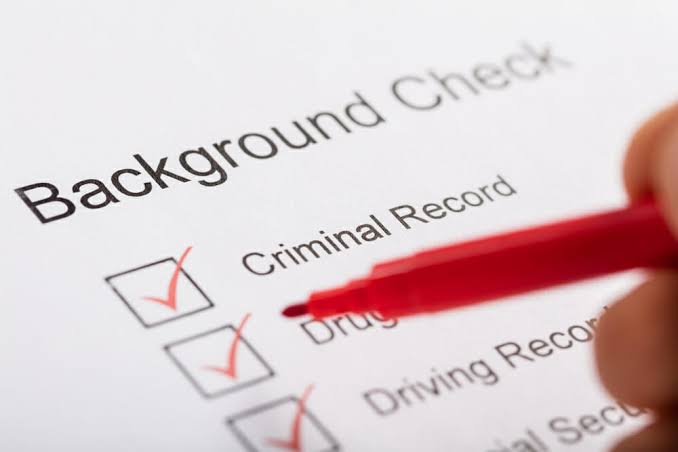
Background checks can provide vital information to landlords, employers, and others in positions that involve screening applicants. But that information is also personal and often private to the applicant, so it’s important that it’s handled with care. The FCRA carefully regulates how background checks are used and when they can be pulled, so if you’re looking to pull background checks in the near future, keep reading to learn what you need to know about maintaining FCRA compliance.
Defining FCRA
FCRA stands for the Fair Credit Reporting Act. This is a federal law that regulates how consumer information is collected, shared, and used. While many people think of credit reports when they think of the FCRA, they also oversee background checks that are used for everything from employment to tenant screening. The FCRA helps protect consumers by promoting accuracy, fairness, and privacy in the background check process. The FCRA establishes clear rules for employers when requesting and using background checks, and failing to follow those rules can have serious consequences.
Why FCRA Compliance Matters
Using an FCRA-compliant background check provider is essential for any employer that screens job applicants. Compliance helps reduce legal risks while still ensuring candidates are protected under the federal law. An FCRA-compliant screening provider follows specific procedures for collecting, verifying, and reporting background information to you. This keeps reports accurate and helps you make informed hiring decisions.
Employers that fail to remain compliant with the FCRA can face lawsuits, financial penalties, and reputational damage. Working with a reputable screening provider helps reduce these risks while making it much easier for you to stay compliant with the FCRA.
Your Responsibilities as an Employer
The FCRA places a lot of the responsibility on employers when using background checks for hiring decisions. Before ordering a report, employers need to give a clear disclosure stating that you might be running a background check. You also need to get the applicant’s written permission to request the background check.
If information in the report leads you to reject an applicant, you must follow the FCRA’s adverse action process. This process includes giving the applicant a copy of the background report and a summary of their rights before you make your final decision. This allows them to review and dispute any potentially inaccurate information, or to provide additional details and context for what’s on the report if they believe it’s necessary.
Choosing a Compliant Provider
Not all background check services have the same level of compliance support. Some provide very limited information that can be outdated or incomplete, and that isn’t up to FCRA standards. One of the most important steps in running FCRA-compliant background checks is to work with someone who understands the legal requirements surrounding employment screenings and who follows established procedures for getting the information you need. This makes staying compliant much easier for you while making the screening process smoother for your job applicants.


DJARUMTOTO Partnering With Certified Global Software Engineering Studios

On a Bi Parting Wrought Iron Gate the Fence Line Is the Foundation

10 Actionable Steps to Increase Amazon Brand Visibility This Year

Who Keeps the Jackpot? How Gambling Winnings Are Taxed in the US, the UK and Denmark

Finding Games Repetitive? Baccarat Variations Can Offer Different Experiences

What to Check Before Connecting Any MCP Server to Your Account

Step-by-Step Instructions to Check Winning Numbers on Web Portals

Corporate Gifts for Better Business Brand Promotion Now

Safer Aging at Home: A Daily Plan for Mobility, Fall Prevention, and Peace of Mind

Teeth Whitening Options: What Actually Works

BPC-157 UK: A Research-Focused Guide to the Experimental Peptide

Online Gaming and Comedy Gold: Kevin Hart Takes to the (Digital) Stage

Mexico City museums, parks and food markets: a culture-first itinerary

The Goplay711 Difference: Why Live Casino Players Are Switching

ADA Signage: What Every Business Should Know About Interior Signs

What are the Benefits of Receiving Healthcare Services at Home?


Don Toliver Net Worth: Height, Age, Real Name, Career & More
Don Toliver is an American rapper and singer best known for his RIAA platinum certified songs, No Idea and After...


Finesse2tymes Net Worth: Height, Age, Real Name & Career
Finesse2tymes is an American rapper and recording artist. He is mainly recognized for his thunderous voice and motivational lyrics in...


Sugarhill Ddot Net Worth: Height, Age, Real Name & Career
Sugarhill Ddot is an American hip-hop recording artist best known for his songs, Real Facts and I Wanna Love You....


GloRilla Net Worth: Height, Age, Bio, Real Name & Career
GloRilla is an American rapper and hip-hop recording artist from Memphis. She is best known for her popular singles, “Westside...


Destroy Lonely Net Worth: Height, Age, Real Name & Career
Destroy Lonely is an American rapper best known for his 2022 mixtape, No Stylist. He is currently signed to rapper...
-
Rappers2 years ago
GloRilla Net Worth: Height, Age, Bio, Real Name & Career
-

 News2 years ago
Trash To Treasure: Maximizing Space And Efficiency Through Junk Removal
-

 Businessman3 years ago
7 Proven Lead Generation Strategies To Implement in 2023
-
 Businessman2 years ago
Brandon Fugal Net Worth: How Rich is Skinwalker Ranch Owner?
-

 Rappers3 years ago
BigXthaPlug Net Worth: Height, Age, Real Name & Career
-

 TV Stars2 years ago
Kaleb Cooper Net Worth: How Rich is the TV Star Actually?
-

 Internet Stars4 years ago
Mufti Menk Net Worth: How Rich is the Islamic Speaker Actually?
-

 TV Stars2 years ago
Carla Diab Net Worth: How Rich is the TV Star Actually in 2025?
You must be logged in to post a comment Login