
News
Mexico City museums, parks and food markets: a culture-first itinerary

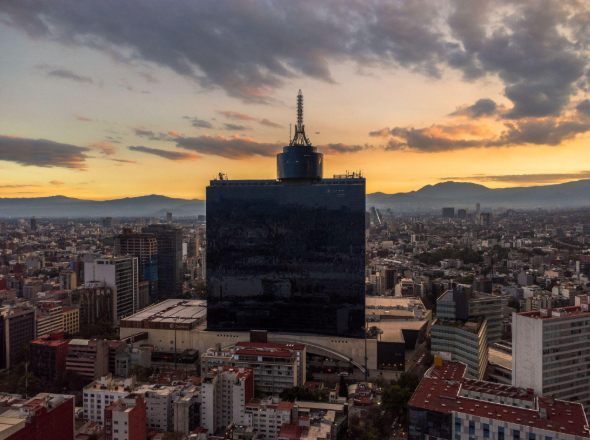
Mexico City holds nearly 200 museums and galleries, placing it among the highest concentrations of cultural institutions of any capital worldwide.
In 2026, the city has been recognized as unmissable for museum-goers, not only for the scale of its offerings but for the way these spaces connect to the city’s parks and markets—creating a cultural infrastructure that rewards slow, deliberate exploration.
This itinerary approaches the capital through that lens: museums worth building days around, parks that function as connective tissue between neighborhoods, and food markets where the act of eating becomes as revealing as any gallery visit.
For travelers arranging the trip from the United States, cheap flights to Mexico City make this cultural immersion more accessible than ever.
The museums worth structuring days around
The Museo Nacional de Antropología draws 1.5 million annual visitors and remains the anchor of any serious engagement with Mexico’s pre-Hispanic past. The museum is open Tuesday to Sunday, from 9:00 AM to 5:00 PM, and closes every Monday.
The collection spans the breadth of Mesoamerican civilizations with the Aztec Hall holding the Stone of the Sun and monumental sculptures that define the visual language of ancient Mexico.
The building itself, designed in the 1960s, uses an open courtyard plan that allows natural light to filter through galleries, making the experience less exhausting than comparable institutions of its size.
- Frida Kahlo’s Casa Azul offers intimate insights into the life of the icon, preserving the Coyoacán home where she was born, lived with Diego Rivera, and died.
- The futuristic Museo Soumaya presents European classics from Rodin to Dalí, housed in a striking aluminum-clad building in Polanco.
- The Museo Tamayo and Museo de Arte Moderno, both within Chapultepec, provide context for Mexico’s contemporary art movements.
Parks as connective tissue between cultural sites
Bosque de Chapultepec is divided into four sections, with the first section holding the highest concentration of museums and the most heavily visited attractions. The park spans 1,600 acres, making it Mexico City’s largest, and functions as both recreational space and cultural corridor.
Section One contains the zoo, Chapultepec Castle, the National Anthropology Museum, Modern Art Museum, Tamayo Museum, and an artificial lake with boats for rent. The castle, perched on a hill, offers views across the city and houses the National History Museum, tracing Mexico’s trajectory from conquest through revolution.
The second section contains additional museums but is far less heavily visited, while the third section functions primarily as a wildlife reserve. For first-time visitors, Section One provides the most efficient use of time, with walking paths connecting the major museums and enough green space to break up a day of gallery viewing.
Using parks to manage museum fatigue
The density of Mexico City’s museums can lead to sensory overload. Parks provide necessary pauses. After spending a morning at the Anthropology Museum, the lake and gardens of Chapultepec offer a place to sit without the pressure of continued consumption.
Seasonal considerations for park visits
Mexico City’s altitude means the climate remains temperate year-round, but the rainy season from June through September brings afternoon showers. Morning visits to parks work best during these months.
Connecting parks to transit routes
Chapultepec station on Line 1 serves the main entrance to the park, while Auditorio station on Line 7 provides access to the northern sections. For Condesa, Chilpancingo or Patriotismo stations on Line 9 are closest.
Food markets and the logic of market eating
Mercado Roma is a modern food market in Colonia Roma Norte that blends the energy of a traditional market with a contemporary aesthetic. Since opening in 2014, it has attracted diners with its unique design and diverse culinary offerings.
The market operates as a gourmet food hall, with individual stalls offering everything from tacos and pozole to tapas and craft beer. It’s a curated experience, designed for visitors who want market energy without the sensory intensity of older, larger markets.
Mercado de Coyoacán, by contrast, functions as a neighborhood market where locals shop for produce, meat, and prepared foods. The tostada stands and juice vendors cater to a local clientele, and the pace is faster, less oriented toward lingering.
Mercado de la Merced, one of the city’s largest and oldest markets, operates on a different scale entirely. It’s a wholesale and retail market where vendors sell everything from chiles and herbs to live animals.
The food stalls here serve workers and shoppers, not tourists, and the experience is louder, more crowded, and less polished. It’s worth visiting for the scale alone, but it requires comfort with chaos.
A four-day route grouping sites by neighborhood
- Day one focuses on the Centro Histórico and Alameda Central. Start at Palacio de Bellas Artes in the morning, then walk through the historic center to the Zócalo. Lunch at a market near the Merced Metro station, then return to the center for the Templo Mayor museum.
- Day two moves to Chapultepec. Arrive early at the Anthropology Museum, spend three to four hours there, then walk through the park to either the Tamayo or Modern Art Museum. Lunch at one of the park’s lakeside stands or walk into Polanco for a sit-down meal.
- Day three shifts to Coyoacán. Visit Casa Azul in the morning, walk to Viveros for a break, then explore the neighborhood’s plazas and markets. Mercado de Coyoacán works for lunch.
Practical notes for visitors arriving from the United States
Mexico City has a metro system with 12 lines and 195 stations, plus the Metrobús, Tren Ligero, Cablebús, and RTP buses. The universal cost per trip is 5 pesos, and access is via the Integrated Mobility Card.
Visitors can now pay directly at turnstiles using contactless credit or debit cards, as well as digital wallets. The Metro is fast and efficient, though crowded during rush hours. The Metrobús operates with exclusive lanes and mobilizes over a million passengers daily across seven lines.
Altitude adjustment matters. Mexico City sits at 7,350 feet, and visitors from sea level often experience shortness of breath, fatigue, and headaches during the first day or two. Hydration helps, as does avoiding alcohol and heavy meals immediately after arrival.
Museum closing days follow a pattern: most close Mondays, with some exceptions. Sundays often offer free admission to Mexican nationals, which increases crowds. Weekday mornings provide the best balance of access and space.
Plan your culture-first Mexico City itinerary
Balancing world-class gallery visits with outdoor breaks in historic parks and authentic culinary stops at local food markets is the key to mastering Mexico City’s vast cultural offerings.
By structuring your trip around specific neighborhoods you can avoid sensory overload and experience the best of the capital at your own pace. With frequent, affordable flights to Mexico City from major US hubs, planning a seamless cultural getaway is easier than ever.
Pack comfortable walking shoes, adjust to the altitude during your first day, and prepare to discover one of the richest cultural destinations in the Americas.


How to Receive eBay Purchases in Switzerland Easily ?

The hidden costs of online shopping: what international buyers should know

A South Jersey, NJ Room-by-Room Guide to Choosing Window Treatments for Light, Privacy, and Comfort

3 Cosmetic Dentistry Options That Deliver Quick Results

How Often Should You Get A Professional Dental Cleaning?

5 Advantages Of Outsourcing Cpa Services For Growing Businesses

Why Your Dentist May Ask About Frequent Throat Clearing

How Cosmetic Dentistry Improves Confidence For Parents And Teens Alike

Online Gaming and Comedy Gold: Kevin Hart Takes to the (Digital) Stage

Mexico City museums, parks and food markets: a culture-first itinerary

Top 6 AI Document Processing Platforms for Enterprise Workflow Automation

How Bigger Match Payouts Actually Change FC 27 Weekend Prep

How an Edit Stays Useful After the Face Paste Stops Impressing Anyone

ADA Signage: What Every Business Should Know About Interior Signs

What Is Maxim88 Singapore? Complete Brand Overview (2026)

10 Tools To Build Visibility in AI-Driven Answers in 2026


Don Toliver Net Worth: Height, Age, Real Name, Career & More
Don Toliver is an American rapper and singer best known for his RIAA platinum certified songs, No Idea and After...


Finesse2tymes Net Worth: Height, Age, Real Name & Career
Finesse2tymes is an American rapper and recording artist. He is mainly recognized for his thunderous voice and motivational lyrics in...


Sugarhill Ddot Net Worth: Height, Age, Real Name & Career
Sugarhill Ddot is an American hip-hop recording artist best known for his songs, Real Facts and I Wanna Love You....


GloRilla Net Worth: Height, Age, Bio, Real Name & Career
GloRilla is an American rapper and hip-hop recording artist from Memphis. She is best known for her popular singles, “Westside...


Destroy Lonely Net Worth: Height, Age, Real Name & Career
Destroy Lonely is an American rapper best known for his 2022 mixtape, No Stylist. He is currently signed to rapper...
-
Rappers2 years ago
GloRilla Net Worth: Height, Age, Bio, Real Name & Career
-

 News2 years ago
Trash To Treasure: Maximizing Space And Efficiency Through Junk Removal
-

 Businessman3 years ago
7 Proven Lead Generation Strategies To Implement in 2023
-
 Businessman2 years ago
Brandon Fugal Net Worth: How Rich is Skinwalker Ranch Owner?
-

 Rappers3 years ago
BigXthaPlug Net Worth: Height, Age, Real Name & Career
-

 TV Stars2 years ago
Kaleb Cooper Net Worth: How Rich is the TV Star Actually?
-

 Internet Stars4 years ago
Mufti Menk Net Worth: How Rich is the Islamic Speaker Actually?
-

 TV Stars2 years ago
Carla Diab Net Worth: How Rich is the TV Star Actually in 2025?
You must be logged in to post a comment Login