
News
Ductless Mini Split Installation: A Modern Approach to Efficient Heating and Cooling

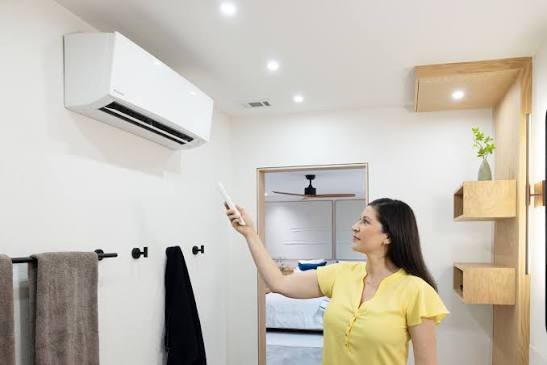
Creating a comfortable indoor environment requires a heating and cooling system that can maintain consistent temperatures, operate efficiently, and accommodate the specific needs of a property. Traditional HVAC systems have served homeowners and businesses for many years, but modern technology has introduced more flexible solutions that provide greater control over indoor comfort. Ductless mini split systems have become an increasingly popular option because they deliver heating and cooling without requiring an extensive network of air ducts. A properly planned ductless mini split installation allows property owners to improve temperature control, reduce energy waste, and enjoy greater flexibility when managing different indoor spaces. These systems combine advanced technology, compact indoor units, and efficient outdoor components to create a practical solution for properties that need reliable climate control.
Understanding How Ductless Mini Split Systems Work
Ductless mini split systems operate through a combination of indoor air-handling units and an outdoor compressor unit connected by refrigerant lines and electrical connections. Unlike traditional central heating and cooling systems, they do not depend on extensive ductwork to distribute conditioned air. Instead, individual indoor units deliver heated or cooled air directly into the rooms where they are installed. This design makes the system suitable for spaces where installing conventional ductwork would be difficult, expensive, or impractical. A professional ductless mini split installation ensures that the indoor and outdoor components are properly connected, positioned, and configured to provide dependable performance. The system uses refrigerant to transfer heat between indoor and outdoor environments, allowing it to provide both cooling and heating depending on the operating mode. During cooling operation, indoor heat is transferred outside, while heating operation allows the system to move heat indoors. Many modern models use inverter-driven compressors that adjust their operating speed according to heating and cooling demand. This technology helps maintain more consistent temperatures while reducing unnecessary energy consumption. Understanding how these systems operate makes it easier for homeowners to appreciate the importance of selecting appropriate equipment and ensuring that every component is installed correctly.
Benefits of Choosing Ductless Heating and Cooling Technology
One of the most important advantages of ductless systems is their ability to provide targeted temperature control. Traditional central systems generally distribute conditioned air through a shared duct network, which can make it difficult to maintain different temperatures in separate rooms. Ductless technology addresses this limitation by allowing individual indoor units to control specific areas. Homeowners can adjust the temperature in occupied rooms without necessarily conditioning every part of the property. This flexibility can improve comfort while helping reduce unnecessary heating and cooling demand.Another advantage is the ability to install these systems without constructing extensive ductwork. Properties with limited installation space, room additions, renovated areas, or older construction may benefit from this design. Ductless systems can also reduce energy losses associated with leaking or poorly insulated ducts. Their compact components and flexible configurations make them suitable for different indoor layouts. When planned properly, a ductless mini split installation can provide an effective combination of convenience, energy management, and personalized indoor comfort while accommodating the property’s specific heating and cooling requirements.
Selecting the Right Mini Split System for Your Property
Choosing the correct equipment is one of the most important decisions involved in installing a ductless heating and cooling system. Different properties have different heating and cooling requirements depending on room dimensions, ceiling height, insulation quality, window placement, occupancy, and other environmental factors. A system that is too small may struggle to maintain comfortable temperatures during periods of high demand, while an oversized system may cycle inefficiently and create inconsistent indoor conditions. Proper equipment selection requires evaluating the characteristics of the space rather than relying only on general estimates or square footage. Professional HVAC technicians can perform load calculations to determine the appropriate system capacity for the intended installation areas. They also consider the number of indoor units needed, the layout of the rooms, and the capabilities of the outdoor condenser. Multi-zone systems may be suitable for properties requiring independent temperature control in several spaces, while single-zone systems can provide an effective solution for individual rooms. A carefully planned ductless mini split installation helps ensure that the selected equipment matches the property’s requirements and delivers reliable performance without unnecessary operating strain.
The Importance of Proper Indoor Unit Placement
Indoor unit placement has a direct influence on airflow distribution, temperature consistency, and overall system performance. These units are commonly mounted on walls, although certain systems support ceiling or floor-mounted configurations depending on the equipment design. The selected position should allow conditioned air to circulate throughout the intended space without being blocked by furniture, curtains, shelves, or architectural features. Poor placement may create areas that receive too much airflow while leaving other parts of the room uncomfortable. Professional installers evaluate room dimensions and airflow patterns before determining the most suitable mounting location. The height and direction of the indoor unit also deserve careful consideration. Wall-mounted units are generally positioned to support effective air circulation while remaining accessible for routine filter cleaning and maintenance. Installers must also account for condensate drainage, refrigerant piping, electrical connections, and the manufacturer’s clearance requirements. These details are important because even a high-quality system may experience performance difficulties if its indoor components are installed incorrectly. Proper planning during a ductless mini split installation helps create balanced airflow, easier maintenance access, and more consistent heating and cooling throughout the occupied space.
Preparing the Outdoor Condenser for Reliable Operation
The outdoor condenser is responsible for transferring heat between the refrigerant and the surrounding outdoor environment. Because this component operates in changing weather conditions, its location should provide suitable airflow, stability, and accessibility. Installing the condenser too close to obstructions may restrict ventilation and affect its ability to release or absorb heat efficiently. The equipment should also be positioned according to manufacturer clearance requirements to support proper operation and simplify future maintenance. A stable mounting surface is equally important because the outdoor unit contains mechanical components that operate during heating and cooling cycles. Depending on the property and equipment design, the condenser may be installed on a suitable ground-level base or an approved mounting bracket. Installers must also consider drainage, protection from excessive debris, refrigerant line routing, and access for servicing. During a professional ductless mini split installation, these details are evaluated to ensure that the outdoor unit remains properly supported and can operate under suitable conditions. Careful placement helps reduce unnecessary vibration, supports airflow, and contributes to long-term equipment reliability.
Understanding Refrigerant Lines and Electrical Connections
Refrigerant lines connect the indoor air-handling unit to the outdoor condenser and allow the system to transfer heat between the two components. These lines must be properly sized, routed, insulated, and connected according to the equipment manufacturer’s specifications. Incorrect installation can result in refrigerant leaks, reduced efficiency, and possible compressor damage. Installers also need to account for the maximum permitted line length, elevation differences, and other system-specific requirements when planning the connection between indoor and outdoor components. Electrical connections are equally important because the system depends on properly configured wiring and compatible power supplies. Different models have specific electrical requirements that must be followed during installation. Incorrect wiring, inadequate circuit capacity, or poorly secured connections can create operating problems and safety risks. Professional technicians evaluate the electrical requirements, install appropriate connections, and verify that the system receives suitable power. A properly completed ductless mini split installation includes careful attention to both refrigerant and electrical components, helping ensure that the equipment operates reliably and safely after commissioning.
Improving Energy Efficiency With Inverter Technology
Many modern ductless mini split systems use inverter technology to adjust compressor speed according to the actual heating or cooling demand. Traditional equipment may operate through repeated starting and stopping cycles, while inverter-driven systems can vary their output to maintain the desired indoor temperature more consistently. This approach can reduce unnecessary cycling and help the equipment respond more accurately to changing indoor conditions. It also supports improved temperature stability when the system is correctly selected and installed. Energy efficiency depends on several factors, including equipment ratings, system capacity, insulation quality, thermostat settings, and installation quality. Even advanced inverter technology cannot compensate for incorrect equipment sizing, restricted airflow, refrigerant problems, or poor installation practices. Homeowners should compare the efficiency ratings of available models and consider their expected heating and cooling requirements before selecting a system. Professional installation helps ensure that the equipment is configured according to manufacturer specifications, allowing its efficiency features to function as intended and supporting more predictable operating expenses over time.
Creating Individual Temperature Zones
One of the most attractive features of ductless mini split technology is the ability to establish separate temperature zones within a property. A multi-zone system can connect several indoor units to one outdoor condenser, allowing different rooms or areas to receive individual temperature adjustments. This arrangement can be especially useful in properties where occupants have different comfort preferences or where certain rooms are used more frequently than others. Instead of maintaining one temperature throughout the entire building, homeowners can manage individual spaces according to their needs.Zoning can also help reduce unnecessary energy consumption when managed appropriately. For example, an unused room may not require the same heating or cooling demand as a frequently occupied living area. However, zoning performance depends on selecting compatible equipment, designing an appropriate system configuration, and installing the indoor units in suitable locations. A professional ductless mini split installation helps determine whether a single-zone or multi-zone arrangement is more appropriate for the property. Proper planning allows homeowners to benefit from greater temperature control without creating unnecessary complexity in their heating and cooling equipment.
The Importance of Proper Condensate Drainage
During cooling operation, ductless indoor units remove moisture from the air as part of the dehumidification process. This moisture collects as condensation and must be directed away from the indoor equipment through a properly installed drainage arrangement. If the drain line is incorrectly positioned, obstructed, or improperly connected, water may accumulate inside the unit and eventually leak onto walls, floors, or nearby surfaces. Moisture problems can damage interior materials and create conditions that encourage unwanted microbial growth. Installers must ensure that condensate drainage follows the equipment manufacturer’s requirements and provides a suitable path for water removal. Depending on the installation configuration, gravity drainage or an appropriate condensate pump may be necessary. The drain line should also be arranged to reduce the possibility of blockages and should remain accessible for future maintenance. Proper drainage planning is an important part of every ductless mini split installation because it protects indoor surfaces, supports reliable cooling operation, and helps prevent avoidable water-related problems.
How Professional Installation Prevents Common Problems
Although ductless systems may appear straightforward because they use compact indoor units, their installation involves several technical procedures that require specialized knowledge. Incorrect refrigerant connections, inadequate electrical work, poor drainage, improper mounting, and unsuitable equipment sizing can all affect system performance. These problems may not become obvious immediately, but they can gradually contribute to reduced efficiency, unusual operating noises, refrigerant leaks, and premature component wear. Professional installers understand how the different components interact and follow the appropriate procedures to avoid these issues.Another important part of professional work is system commissioning after installation. Technicians should verify the connections, inspect the refrigerant circuit, check electrical operation, evaluate drainage, and confirm that the equipment responds correctly to operating controls. They can also explain how to use the remote control or thermostat, adjust operating modes, and maintain the filters. A properly completed ductless mini split installation is not limited to mounting equipment and connecting lines; it also involves verifying that the complete system functions as intended and is ready for everyday heating and cooling requirements.
Maintaining Your Ductless Mini Split System
Regular maintenance is essential for preserving the efficiency and reliability of ductless heating and cooling equipment. One of the simplest maintenance tasks is cleaning or replacing indoor unit filters according to the manufacturer’s recommendations. Filters collect dust and airborne particles during operation, and excessive buildup can restrict airflow and reduce heating or cooling performance. Homeowners should also keep the area surrounding the outdoor condenser clear of leaves, debris, and other obstructions that may interfere with ventilation. Professional inspections provide additional protection by allowing technicians to evaluate components that homeowners cannot safely or effectively examine themselves. These inspections may include checking refrigerant connections, electrical components, condensate drainage, coils, blower operation, and overall system performance. The recommended maintenance schedule depends on equipment specifications, operating conditions, and household usage. Consistent maintenance following a ductless mini split installation helps identify developing concerns, supports efficient operation, and may reduce the likelihood of expensive repairs caused by neglected components.
When to Consider Upgrading to Ductless Technology
Homeowners may consider ductless mini split technology when existing heating and cooling equipment no longer meets their comfort requirements. Older systems may struggle to maintain consistent temperatures, require frequent repairs, or consume more energy than expected. Properties that have undergone renovations or additions may also have rooms that are not properly served by the existing HVAC system. In these situations, ductless equipment can provide a flexible way to introduce heating and cooling without extending a complete duct network. Before upgrading, property owners should evaluate their existing equipment, insulation, electrical capacity, room layout, and expected heating and cooling demand. A professional assessment can help determine whether a single-zone configuration or a multi-zone system would provide the most suitable solution. Homeowners should also compare equipment features, efficiency ratings, warranties, and maintenance requirements. Careful planning ensures that the new system addresses the actual limitations of the existing setup rather than introducing unnecessary equipment or expenses.
Conclusion
Ductless heating and cooling technology offers a practical solution for improving indoor comfort, managing energy consumption, and providing flexible temperature control. Its compact design, zoning capabilities, and ability to operate without extensive ductwork make it suitable for many different property layouts and comfort requirements. However, achieving dependable results requires proper equipment selection, accurate system sizing, suitable indoor and outdoor unit placement, correct refrigerant connections, and reliable electrical work. Every stage of the installation process contributes to the performance and longevity of the equipment. Working with experienced HVAC professionals helps ensure that the system is installed according to manufacturer specifications and evaluated carefully before regular operation begins. Homeowners should also prioritize routine filter cleaning, outdoor unit maintenance, and periodic professional inspections to preserve system efficiency. Investing in a properly planned ductless mini split installation can provide lasting benefits through improved temperature control, dependable heating and cooling, and greater flexibility in managing indoor comfort. With the right equipment and professional installation practices, property owners can enjoy a modern climate control solution designed to meet their everyday needs.


How Professional Forklift Service Supports Long-Term Industrial Productivity

The Importance of Regular HVAC Tune Up Services for Reliable Home Comfort

Building a Reliable Plumbing System Through Professional Pipe Installation

Metal Roof Cleaning: Essential Practices for Maintaining a Durable and Attractive Roof

Ductless Mini Split Installation: A Modern Approach to Efficient Heating and Cooling

Protecting Your Plumbing System with Professional Sewer Line Repair

Elevating Outdoor Living with Beautiful and Functional Patio Cover Designs

Shingle Roof Repair: Protecting Your Home with Reliable Roofing Solutions

Best Boneless Sofas 2026: Cloud Comfort & No-Assembly Picks

Cove Lighting and False Ceilings: Creating a Soft, Layered Glow

Suncoast, Sun City & Montecasino: SA's Big Casinos vs Playing Online (2026)

Inside the Multi-Million Dollar Gaming Economy: How Streamers and Digital Assets Drive the Virtual Currency Boom

Subscription fatigue: a simple review and PennyGuard

What Happens After an Arrest? A Guide from Criminal Lawyers in Bankstown

Walking the Legal End of the Estate Executor Journey in Queensland

Why Blackjack Is Still One of the World’s Favorite Casino Games


Don Toliver Net Worth: Height, Age, Real Name, Career & More
Don Toliver is an American rapper and singer best known for his RIAA platinum certified songs, No Idea and After...


Finesse2tymes Net Worth: Height, Age, Real Name & Career
Finesse2tymes is an American rapper and recording artist. He is mainly recognized for his thunderous voice and motivational lyrics in...


Sugarhill Ddot Net Worth: Height, Age, Real Name & Career
Sugarhill Ddot is an American hip-hop recording artist best known for his songs, Real Facts and I Wanna Love You....


GloRilla Net Worth: Height, Age, Bio, Real Name & Career
GloRilla is an American rapper and hip-hop recording artist from Memphis. She is best known for her popular singles, “Westside...


Destroy Lonely Net Worth: Height, Age, Real Name & Career
Destroy Lonely is an American rapper best known for his 2022 mixtape, No Stylist. He is currently signed to rapper...
-
Rappers2 years ago
GloRilla Net Worth: Height, Age, Bio, Real Name & Career
-

 News3 years ago
Trash To Treasure: Maximizing Space And Efficiency Through Junk Removal
-

 Businessman3 years ago
7 Proven Lead Generation Strategies To Implement in 2023
-
 Businessman2 years ago
Brandon Fugal Net Worth: How Rich is Skinwalker Ranch Owner?
-

 Rappers4 years ago
BigXthaPlug Net Worth: Height, Age, Real Name & Career
-

 TV Stars2 years ago
Kaleb Cooper Net Worth: How Rich is the TV Star Actually?
-

 Internet Stars4 years ago
Mufti Menk Net Worth: How Rich is the Islamic Speaker Actually?
-

 TV Stars2 years ago
Carla Diab Net Worth: How Rich is the TV Star Actually in 2025?
You must be logged in to post a comment Login