
News
Metal Roof Cleaning: Essential Practices for Maintaining a Durable and Attractive Roof

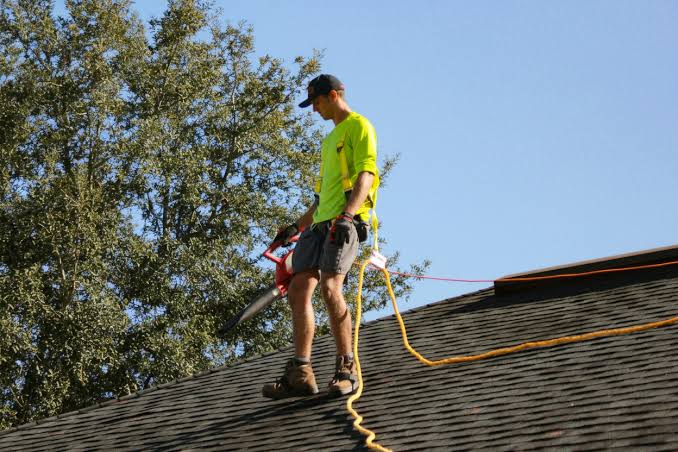
Introduction
Metal roofing is widely valued for its durability, weather resistance, modern appearance, and ability to provide long-term protection when properly installed and maintained. However, like every exterior building material, metal roofing is constantly exposed to sunlight, rain, dust, airborne pollutants, falling leaves, and other environmental elements that can gradually affect its appearance and condition. Dirt, organic debris, algae, and other unwanted buildup may collect on the surface over time, making regular care an important part of protecting the roofing system. Metal roof cleaning helps remove accumulated contaminants, preserve the roof’s appearance, and make it easier to identify potential problems before they become more serious. A properly maintained metal roof can continue protecting a property while maintaining its original finish and overall performance. Understanding appropriate cleaning methods, safety precautions, and professional maintenance practices allows property owners to care for their roofing investment more effectively.
Why Regular Cleaning Matters
Metal roofing is designed to withstand demanding outdoor conditions, but its exposed surface can still collect dirt, dust, leaves, pollen, and other materials. When these substances remain on the roof for extended periods, they can affect its appearance and sometimes interfere with proper drainage. Moisture trapped beneath accumulated debris may also contribute to staining or deterioration in vulnerable areas, especially around seams, fasteners, and roof edges. Regular metal roof cleaning helps remove this unwanted buildup and supports the overall condition of the roofing system. It also provides an opportunity to observe changes in the roof’s surface, including scratches, loose fasteners, damaged coatings, and areas where water may be collected. Rather than allowing contaminants to accumulate until the roof looks noticeably neglected, consistent cleaning helps property owners maintain a cleaner and more presentable exterior.
Understanding Common Roof Contaminants
Different environmental conditions can introduce various contaminants to metal roofing surfaces. Dust and airborne particles may settle gradually, while leaves, branches, and pollen can collect around roof valleys and drainage areas. In shaded or consistently damp sections, algae, mildew, or other organic growth may become visible. Industrial pollutants and airborne residue can also contribute to surface discoloration over time. Effective metal roof cleaning begins with understanding the type of buildup present because different contaminants may require different treatment methods. A cleaning approach suitable for ordinary dust may not be appropriate for stubborn organic growth or residue on a coated metal surface. Identifying the material responsible for the buildup helps prevent unnecessary scrubbing, aggressive chemicals, or cleaning techniques that could damage the protective finish. When the source or severity of staining is unclear, professional evaluation can help determine the safest solution.
Protecting the Protective Coating
Many metal roofing systems include factory-applied finishes or protective coatings that help resist corrosion, maintain color, and protect the underlying metal from environmental exposure. These coatings are important because damage to the finished surface can leave vulnerable areas more exposed to moisture and other conditions that contribute to deterioration. During metal roof cleaning, property owners should avoid abrasive brushes, harsh chemicals, and aggressive techniques that may scratch or weaken the protective finish. Cleaning products should be compatible with the specific roofing material and applied according to the manufacturer’s recommendations. Even when a roof appears strong, its coating may be more sensitive than expected, particularly if the system is older or has already experienced weather-related wear. Gentle cleaning methods help preserve the finish while removing ordinary dirt and surface contaminants without creating additional maintenance concerns.
Removing Dirt and Surface Debris
Accumulated dirt and loose debris can make a metal roof look aged or neglected, even when its underlying structure remains in good condition. Dust may settle across broad sections of the roof, while leaves and small branches can collect around valleys, roof transitions, and gutters. If these materials are not removed, they may hold moisture against the surface or obstruct the normal movement of rainwater. Professional metal roof cleaning can help clear these contaminants using suitable equipment and controlled cleaning methods. The process should be designed around the roof’s slope, coating, panel design, and existing condition rather than relying on excessive pressure or rough physical contact. Removing loose debris also makes it easier to inspect the roof for damaged panels, loose fasteners, and other issues that may otherwise remain hidden beneath accumulated material.
Preventing Algae and Organic Growth
Organic growth can develop on roofing surfaces when moisture, shade, and environmental conditions create a suitable environment. Algae and mildew may appear as dark streaks, green patches, or uneven discoloration, particularly on sections that receive limited sunlight or remain damp for extended periods. Although these growths do not always indicate structural damage, they can affect the roof’s appearance and may make certain areas more difficult to inspect. Appropriate metal roof cleaning can help remove organic buildup while protecting the existing coating. It is important to use cleaning solutions that are approved for the particular roofing material because some household chemicals may react with metal finishes or damage nearby building components. Professional contractors can identify the type of growth and select a suitable treatment method, helping restore the surface without exposing the roof to unnecessary chemical or physical stress.
Choosing the Right Cleaning Method
Not every metal roof should be cleaned using the same equipment or technique. The appropriate method depends on the type of metal, protective coating, roof age, surface condition, and severity of contamination. Some roofs may only need gentle rinsing and a compatible cleaning solution, while others may require carefully controlled treatment to remove more persistent buildup. Effective metal roof cleaning focuses on removing contaminants without damaging panel seams, fasteners, coatings, or other roofing components. Excessive pressure can force water beneath vulnerable joints or damage protective finishes, so high-pressure equipment should never be used without confirming that it is appropriate for the specific system. A professional roofing specialist can assess the surface and recommend a suitable cleaning process that balances effective results with long-term material protection.
The Importance of Proper Water Drainage
A clean roof should allow rainwater to move efficiently toward the intended drainage points. When leaves, dirt, and other debris accumulate around valleys, gutters, and downspouts, water may become trapped or overflow onto surrounding building materials. Poor drainage can contribute to moisture exposure around fascia boards, roof edges, and exterior walls. As part of metal roof cleaning, drainage areas should receive careful attention to ensure that loose debris does not interfere with normal water movement. Contractors may also examine gutters and downspouts for blockages, loose connections, and visible deterioration. Cleaning the metal panels without considering the drainage system can leave important maintenance concerns unresolved. A complete approach considers the roof surface and the components responsible for directing rainwater away from the structure.
Avoiding Damage From High-Pressure Washing
Pressure washing may appear to be a convenient way to remove stubborn dirt, but excessive water pressure can create problems for metal roofing systems. Strong streams may damage painted finishes, force water beneath overlapping panels, disturb seals, or affect vulnerable joints. The risk can increase when equipment is used too closely or directed against panel seams and flashing. Safe metal roof cleaning requires a controlled approach that considers water pressure, spray direction, nozzle selection, and the condition of the roof. Gentle rinsing may be sufficient for ordinary surface dirt, while more difficult stains may need a compatible cleaning solution and careful treatment. Property owners should avoid experimenting with powerful equipment because improper use can create damage that may cost more to repair than the original cleaning task. Professional guidance helps ensure that cleaning methods are suitable for the roofing system.
Inspecting Fasteners, Seams, and Flashing
Metal roofing systems rely on several connected components to maintain weather protection. Fasteners secure panels in place, seams connect individual sections, and flashing protects vulnerable areas around chimneys, vents, skylights, and other roof openings. Over time, fasteners may loosen, seals may deteriorate, and flashing may become damaged because of weather exposure or normal material movement. During metal roof cleaning, these components should be observed carefully so that visible problems are not overlooked. Cleaning is not a replacement for a professional inspection, but a clear surface makes it easier to recognize areas that may need attention. If loose fasteners, separated seams, or damaged flashing are discovered, a qualified roofing contractor can evaluate the issue and recommend appropriate repairs. Addressing these concerns helps preserve the roof’s ability to resist water intrusion.
Maintaining Color and Curb Appeal
A metal roof can contribute significantly to a property’s exterior appearance because its finish often covers a large and highly visible surface. Dust, pollen, organic growth, and environmental staining can gradually make the roof look dull or uneven. Regular metal roof cleaning helps maintain a cleaner appearance and allows the original finish to remain more visible. This can be especially valuable for property owners who want to preserve the overall presentation of their buildings without undertaking unnecessary replacement work. However, cleaning should not be used to conceal coating failure, corrosion, or physical damage. If discoloration remains after appropriate cleaning, it may indicate that the finish has aged or that a separate roofing issue needs evaluation. Understanding the difference between removable surface dirt and permanent material deterioration helps property owners choose the right next step.
Protecting the Roof From Corrosion
Metal roofing is generally designed to resist corrosion, but exposed areas can still become vulnerable when protective coatings are damaged or moisture remains trapped against the surface. Scratches, chipped finishes, incompatible metal contact, and deteriorated fasteners may create conditions that allow corrosion to develop. Accumulated debris can also retain moisture around vulnerable sections, increasing the importance of keeping the roof reasonably clean. Proper metal roof cleaning helps remove materials that may contribute to persistent dampness and makes it easier to identify early signs of rust or surface damage. If corrosion is discovered, simply washing the affected area may not solve the problem. A roofing professional should determine whether the condition is limited to the surface or whether the affected panel or fastener requires repair or replacement. Prompt attention can help prevent a localized concern from spreading across a larger area.
Cleaning Around Roof Accessories
Metal roofs may include vents, skylights, solar equipment, antennas, pipes, and other accessories that create additional areas where dirt and debris can collect. These components may also introduce seams, brackets, flashing, and sealants that require careful attention during cleaning. Directing excessive water toward these openings can increase the possibility of moisture intrusion if seals are already damaged. A thorough metal roof cleaning process should account for these accessories and avoid unnecessary pressure or harsh treatment around their connections. Contractors should also consider the manufacturer’s instructions for equipment installed on the roof, particularly when solar panels or specialized ventilation systems are present. Keeping these areas clean and accessible supports easier inspections while reducing the risk of accidentally damaging important components during routine maintenance.
Establishing a Consistent Cleaning Schedule
The ideal cleaning frequency depends on several factors, including the surrounding environment, roof slope, nearby trees, weather exposure, and the type of metal roofing installed. A property surrounded by trees may collect more leaves and organic debris than a building in a relatively open area. Similarly, roofs exposed to significant dust or airborne pollutants may require more frequent attention to maintain their appearance. A practical metal roof cleaning schedule should be based on the actual condition of the roof rather than an arbitrary routine. Property owners can arrange periodic professional evaluations and request additional attention when visible buildup becomes noticeable. Keeping records of cleaning dates, inspection findings, and completed repairs can also help identify recurring concerns. A consistent approach makes it easier to protect the roof without unnecessary cleaning or avoidable exposure to aggressive maintenance methods.
Why Professional Cleaning Is a Smart Choice
Metal roofing can be slippery, particularly when wet, dusty, or covered with cleaning solutions, which makes cleaning a potentially dangerous task for inexperienced individuals. Working at height also introduces serious fall risks, while improper equipment use may damage panels or protective finishes. Professional contractors understand how to approach different roof designs and use appropriate safety procedures when evaluating and cleaning exposed surfaces. Professional metal roof cleaning can also provide an opportunity to identify loose components, drainage problems, surface deterioration, and other issues that need attention. Houser Roofing offers roofing-related services that can help property owners care for their roofing systems and address concerns affecting their condition. Working with an experienced roofing company can help ensure that cleaning is performed carefully and that any additional roofing problems are brought to the owner’s attention.
Combining Cleaning With Preventive Maintenance
Cleaning is most effective when it forms part of a broader roofing maintenance strategy. Removing dirt and debris improves the appearance of the roof, but long-term protection also depends on inspecting fasteners, flashing, panel connections, drainage components, and protective coatings. A roof may look clean while still having loose fasteners or damaged seals that require professional attention. For this reason, metal roof cleaning should be considered one part of a complete care plan rather than a solution for every roofing concern. Property owners can benefit from combining appropriate cleaning with periodic inspections and timely repairs. This approach makes it easier to understand the roof’s overall condition and address problems before they affect larger sections of the system. Preventive maintenance supports consistent performance and helps property owners make better decisions about protecting their roofing investment.
Conclusion
Metal roofing provides dependable protection and an attractive exterior finish, but regular care is important for preserving its condition over time. Dirt, debris, organic growth, and environmental residue can gradually affect the roof’s appearance and create maintenance concerns if they are allowed to accumulate. Metal roof cleaning helps remove unwanted buildup, supports proper drainage, and makes it easier to identify visible signs of damage or deterioration. Using suitable cleaning products, avoiding excessive pressure, and protecting the original coating are essential parts of a responsible cleaning approach. Professional roofing specialists can also inspect vulnerable components and recommend repairs when necessary. By combining safe cleaning practices with consistent inspections and preventive maintenance, property owners can help preserve the appearance, performance, and long-term value of their metal roofing systems.


How Professional Forklift Service Supports Long-Term Industrial Productivity

The Importance of Regular HVAC Tune Up Services for Reliable Home Comfort

Building a Reliable Plumbing System Through Professional Pipe Installation

Metal Roof Cleaning: Essential Practices for Maintaining a Durable and Attractive Roof

Ductless Mini Split Installation: A Modern Approach to Efficient Heating and Cooling

Protecting Your Plumbing System with Professional Sewer Line Repair

Elevating Outdoor Living with Beautiful and Functional Patio Cover Designs

Shingle Roof Repair: Protecting Your Home with Reliable Roofing Solutions

Best Boneless Sofas 2026: Cloud Comfort & No-Assembly Picks

Cove Lighting and False Ceilings: Creating a Soft, Layered Glow

Suncoast, Sun City & Montecasino: SA's Big Casinos vs Playing Online (2026)

Inside the Multi-Million Dollar Gaming Economy: How Streamers and Digital Assets Drive the Virtual Currency Boom

Subscription fatigue: a simple review and PennyGuard

What Happens After an Arrest? A Guide from Criminal Lawyers in Bankstown

Walking the Legal End of the Estate Executor Journey in Queensland

Why Blackjack Is Still One of the World’s Favorite Casino Games


Don Toliver Net Worth: Height, Age, Real Name, Career & More
Don Toliver is an American rapper and singer best known for his RIAA platinum certified songs, No Idea and After...


Finesse2tymes Net Worth: Height, Age, Real Name & Career
Finesse2tymes is an American rapper and recording artist. He is mainly recognized for his thunderous voice and motivational lyrics in...


Sugarhill Ddot Net Worth: Height, Age, Real Name & Career
Sugarhill Ddot is an American hip-hop recording artist best known for his songs, Real Facts and I Wanna Love You....


GloRilla Net Worth: Height, Age, Bio, Real Name & Career
GloRilla is an American rapper and hip-hop recording artist from Memphis. She is best known for her popular singles, “Westside...


Destroy Lonely Net Worth: Height, Age, Real Name & Career
Destroy Lonely is an American rapper best known for his 2022 mixtape, No Stylist. He is currently signed to rapper...
-
Rappers2 years ago
GloRilla Net Worth: Height, Age, Bio, Real Name & Career
-
 News3 years ago
Trash To Treasure: Maximizing Space And Efficiency Through Junk Removal
-

 Businessman3 years ago
7 Proven Lead Generation Strategies To Implement in 2023
-
 Businessman2 years ago
Brandon Fugal Net Worth: How Rich is Skinwalker Ranch Owner?
-

 Rappers4 years ago
BigXthaPlug Net Worth: Height, Age, Real Name & Career
-

 TV Stars2 years ago
Kaleb Cooper Net Worth: How Rich is the TV Star Actually?
-

 Internet Stars4 years ago
Mufti Menk Net Worth: How Rich is the Islamic Speaker Actually?
-

 TV Stars2 years ago
Carla Diab Net Worth: How Rich is the TV Star Actually in 2025?
You must be logged in to post a comment Login