
Health
How Medical Internships Abroad Shape Future Healthcare Professionals

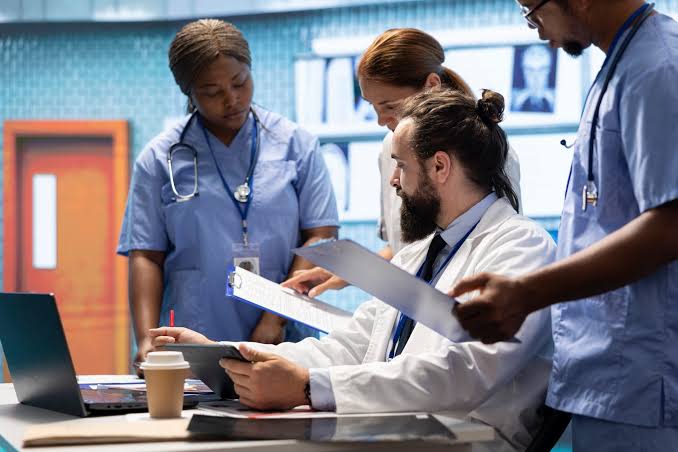
Healthcare education extends far beyond classroom learning. Medical students and aspiring healthcare professionals gain valuable knowledge through practical exposure, patient interaction, and clinical observation. International training opportunities provide a unique environment where participants experience different healthcare systems while expanding their professional and cultural understanding. Choosing **Medical Internships Abroad ** allows future medical professionals to strengthen clinical awareness, improve communication skills, and better understand global healthcare practices in ways that traditional education alone cannot provide.
Many students seek international internships because they offer experiences that are difficult to replicate in their home countries. Working alongside experienced healthcare professionals allows interns to observe medical procedures, understand patient-centered care, and develop confidence within real clinical settings. These opportunities also introduce participants to diverse medical conditions, healthcare delivery models, and interdisciplinary teamwork that contribute to long-term professional development.
Why Are International Medical Internships Becoming More Popular?
Global healthcare has become increasingly interconnected. Hospitals, clinics, and healthcare organizations frequently collaborate across borders to improve patient care, research, and education. Medical internships abroad prepare students to work effectively in this international environment by exposing them to various healthcare systems and treatment approaches.
Students often discover that healthcare delivery differs significantly between countries. These differences may involve patient communication, preventive medicine, community outreach, or hospital organization. Experiencing these variations firsthand encourages adaptability, critical thinking, and greater appreciation for global healthcare practices.
Educational institutions also recognize the value of international learning experiences. Clinical exposure in another country demonstrates initiative, cultural awareness, and a willingness to learn from diverse medical environments.
What Clinical Experiences Can Interns Expect?
Medical internships provide structured observational and educational experiences designed to complement academic learning. Depending on placement and educational background, interns may observe healthcare professionals across multiple specialties while learning how healthcare teams coordinate patient care.
Participants commonly spend time in hospital departments, community clinics, outpatient facilities, and public health programs. They witness patient assessments, diagnostic procedures, treatment planning, rehabilitation, and preventive healthcare initiatives.
Clinical observation allows interns to understand how healthcare providers communicate with patients, collaborate with colleagues, and make informed clinical decisions. Exposure to multiple specialties also helps students identify future career interests while strengthening their overall understanding of medicine.
How Do Medical Internships Improve Professional Skills?
Healthcare requires much more than medical knowledge. Strong communication, professionalism, teamwork, and adaptability are essential qualities for every successful medical professional.
International internships encourage participants to develop these competencies naturally through daily interaction within healthcare settings. Students learn how multidisciplinary teams coordinate patient care, resolve challenges, and maintain professional standards.
Interns also improve their ability to observe carefully, ask thoughtful questions, and reflect on clinical situations. These habits support lifelong learning and continuous professional improvement throughout medical careers.
Exposure to different healthcare environments also strengthens problem-solving abilities by encouraging students to think critically about patient care, available resources, and healthcare delivery methods.
Why Is Cultural Competence Important in Healthcare?
Modern healthcare professionals regularly care for patients from diverse cultural, linguistic, and social backgrounds. Cultural competence helps providers communicate respectfully while understanding individual beliefs, values, and healthcare expectations.
Medical internships abroad immerse participants in unfamiliar environments where cultural awareness becomes an everyday learning experience. Students observe how healthcare providers build trust with patients, respect cultural traditions, and adapt communication strategies.
These experiences encourage empathy, open-mindedness, and effective interpersonal skills that remain valuable regardless of future practice location.
Understanding cultural differences also prepares future healthcare professionals for increasingly multicultural patient populations worldwide.
How Do International Healthcare Systems Enhance Learning?
Every healthcare system operates according to its own policies, infrastructure, and clinical practices. Observing these differences helps interns appreciate the complexity of healthcare delivery while recognizing multiple approaches to patient care.
Students may observe community health initiatives, preventive care strategies, specialized treatment programs, or integrated healthcare services depending on their placement. Comparing these systems broadens understanding of healthcare management and clinical organization.
Exposure to diverse medical practices also encourages innovation by showing participants how different healthcare professionals address similar clinical challenges.
Learning from multiple healthcare models supports flexible thinking that benefits future physicians, nurses, therapists, and other healthcare providers.
What Personal Growth Comes From Living Abroad?
Professional development and personal growth often progress together during international internships. Living in another country requires flexibility, independence, and confidence.
Interns learn how to navigate unfamiliar environments, communicate across cultures, and solve everyday challenges independently. These experiences strengthen resilience while encouraging greater self-awareness.
Many participants also develop stronger time management skills as they balance clinical schedules, educational activities, and personal responsibilities.
International living frequently increases confidence in communication, decision-making, and professional interactions that continue benefiting participants long after the internship concludes.
How Do Medical Internships Support Academic Learning?
Classroom education provides theoretical knowledge, while internships demonstrate how medical concepts apply in real healthcare settings.
Students observe anatomy, physiology, pathology, pharmacology, and patient management within actual clinical environments. Seeing these principles in practice reinforces academic learning and improves long-term understanding.
Clinical observation also helps students connect textbook information with patient care, making future coursework more meaningful and easier to understand.
Faculty members often encourage practical learning because observation enhances critical thinking, strengthens clinical reasoning, and improves professional confidence.
Which Healthcare Specialties Can Students Explore?
Medical internships often expose participants to multiple healthcare disciplines depending on placement availability and educational background.
Students may observe professionals working in emergency medicine, internal medicine, pediatrics, surgery, obstetrics, rehabilitation, family medicine, public health, or specialty clinics.
Experiencing several departments allows participants to compare work environments, patient populations, and clinical responsibilities before selecting future career pathways.
This broad exposure helps students make informed educational decisions while developing appreciation for collaborative healthcare delivery across specialties.
How Does Global Healthcare Experience Benefit Future Careers?
Employers and educational institutions value applicants who demonstrate initiative, adaptability, and international experience.
Completing an overseas internship reflects motivation to expand knowledge beyond traditional academic settings. Participants often gain stronger communication skills, broader cultural understanding, and greater confidence working within multidisciplinary healthcare teams.
International experience may also strengthen graduate school applications, residency preparation, and future employment opportunities by highlighting practical exposure and global awareness.
Healthcare organizations increasingly seek professionals capable of working effectively with diverse populations, making international clinical experience especially valuable.
What Role Does Community Health Play During Medical Internships?
Many international placements introduce students to community-based healthcare programs focused on prevention, education, and long-term wellness.
Interns may observe healthcare outreach initiatives supporting families, children, older adults, and underserved communities. These experiences demonstrate that healthcare extends beyond hospitals into schools, neighborhoods, and community organizations.
Understanding preventive medicine helps students appreciate the importance of early intervention, patient education, and public health initiatives.
Community healthcare experiences also emphasize collaboration among healthcare providers, educators, and local organizations working toward improved population health.
How Can Students Prepare for an International Medical Internship?
Successful internships begin with careful preparation. Students should understand program expectations, professional responsibilities, cultural norms, and ethical standards before departure.
Reviewing medical terminology, strengthening communication skills, and learning about the destination country’s healthcare system can improve confidence during placement.
Professional conduct remains essential throughout the internship. Respect for supervisors, patients, confidentiality, and institutional policies contributes to a positive learning environment.
Maintaining curiosity, asking thoughtful questions, and actively observing clinical practices maximize educational value throughout the experience.
Why Is Reflection an Important Part of Clinical Learning?
Observation alone does not guarantee meaningful learning. Reflecting on daily experiences allows interns to connect practical observations with academic knowledge and future career goals.
Keeping journals, discussing clinical cases with supervisors, and reviewing healthcare practices encourage deeper understanding of patient care and professional responsibilities.
Reflection also helps participants recognize personal strengths, identify areas for improvement, and appreciate how healthcare professionals manage complex situations.
Developing reflective habits supports continuous learning throughout every stage of a healthcare career.
Final Thoughts
International medical internships provide an exceptional opportunity to combine academic learning with meaningful clinical observation and cultural immersion. Students gain valuable insight into healthcare delivery while developing communication skills, professional confidence, cultural competence, and broader clinical understanding. Exposure to diverse healthcare systems encourages adaptability and lifelong learning that benefits future medical careers across many specialties. As healthcare continues evolving globally, international clinical experiences remain an important step for students seeking comprehensive preparation, expanded perspectives, and stronger readiness for the responsibilities of modern healthcare professions.


How Orthodontists And Family Dentists Coordinate Care For Teeth With Large Fillings

Why social casinos are rising and how High 5 Casino sets the standard

The Evolution of Test Cricket: Adapting the Longest Format to the Modern Era

Data and Analytics in Cricket: How Advanced Stats Are Shaping Match Predictions

From Local Tournaments to Global Franchises: The Rise and Impact of T20 Leagues

Mastering the Pitch: Understanding How Surface Conditions and Pitch Reading Impact Match Outcomes

The Mental Game in Cricket: Key Strategies for Maintaining Focus and High Performance Under Pressure

Iconic Cricket Rivalries and Historic Moments That Reshaped International Sports

Mexico City museums, parks and food markets: a culture-first itinerary

Online Gaming and Comedy Gold: Kevin Hart Takes to the (Digital) Stage

How Bigger Match Payouts Actually Change FC 27 Weekend Prep

Top 6 AI Document Processing Platforms for Enterprise Workflow Automation

How an Edit Stays Useful After the Face Paste Stops Impressing Anyone

ADA Signage: What Every Business Should Know About Interior Signs

10 Tools To Build Visibility in AI-Driven Answers in 2026

Understanding Single-Account Gaming Platforms and Their Benefits


Don Toliver Net Worth: Height, Age, Real Name, Career & More
Don Toliver is an American rapper and singer best known for his RIAA platinum certified songs, No Idea and After...


Finesse2tymes Net Worth: Height, Age, Real Name & Career
Finesse2tymes is an American rapper and recording artist. He is mainly recognized for his thunderous voice and motivational lyrics in...


Sugarhill Ddot Net Worth: Height, Age, Real Name & Career
Sugarhill Ddot is an American hip-hop recording artist best known for his songs, Real Facts and I Wanna Love You....


GloRilla Net Worth: Height, Age, Bio, Real Name & Career
GloRilla is an American rapper and hip-hop recording artist from Memphis. She is best known for her popular singles, “Westside...


Destroy Lonely Net Worth: Height, Age, Real Name & Career
Destroy Lonely is an American rapper best known for his 2022 mixtape, No Stylist. He is currently signed to rapper...
-
Rappers2 years ago
GloRilla Net Worth: Height, Age, Bio, Real Name & Career
-

 News2 years ago
Trash To Treasure: Maximizing Space And Efficiency Through Junk Removal
-

 Businessman3 years ago
7 Proven Lead Generation Strategies To Implement in 2023
-
 Businessman2 years ago
Brandon Fugal Net Worth: How Rich is Skinwalker Ranch Owner?
-

 Rappers4 years ago
BigXthaPlug Net Worth: Height, Age, Real Name & Career
-

 TV Stars2 years ago
Kaleb Cooper Net Worth: How Rich is the TV Star Actually?
-

 Internet Stars4 years ago
Mufti Menk Net Worth: How Rich is the Islamic Speaker Actually?
-

 TV Stars2 years ago
Carla Diab Net Worth: How Rich is the TV Star Actually in 2025?
You must be logged in to post a comment Login