
Health
Target the Central Nervous System: Advanced Models for Brain Penetration and Efficacy

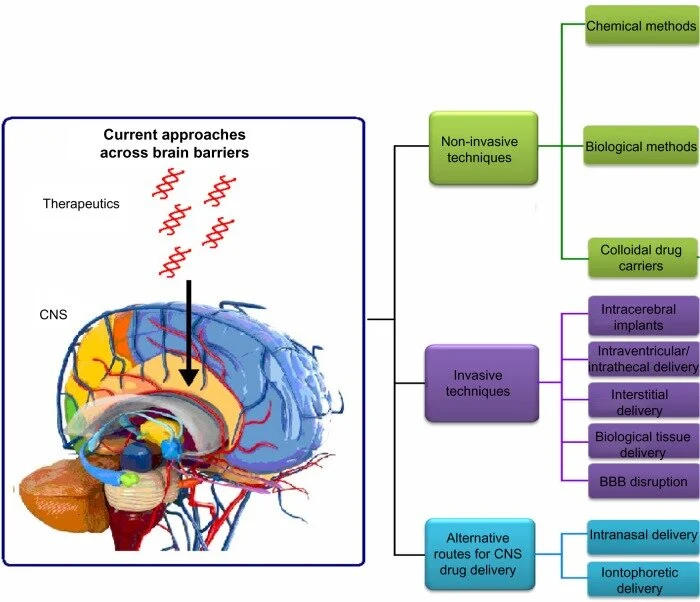
One of the biggest hurdles for developing drugs for the central nervous system (CNS) is that the blood-brain barrier is impervious to almost every small molecule, and more than 90% of all large biological therapeutics are unable to cross it. To defeat this microvascular barrier, exact predictive screening pipelines, which chart the drug kinetics, efflux mechanisms, and the downstream neurobiology, are required.
Today’s neuroscience programs require collaboration with partner labs with predictive clinical translatability. A specialized preclinical UK CRO provides important advanced assays to translate, including dynamic microfluidic barriers and whole-brain spatial mapping to de-risk candidates for the central nervous system (CNS) before entering clinical trials.
Advanced Blood-Brain Barrier Assays
The in vitro model of the blood-brain barrier has progressed from the traditional two-dimensional (2D) transwell model to high-throughput 3D tri-culture systems. The presence of human microvascular endothelial cells, pericytes, and astrocytes results in physiological tightness and realistic trans-endothelial electrical resistance.
- Use of Tri-Culture Models with primary human cell configurations for an authentic basement membrane interaction.
- Real-Time TEER: Assesses barrier tight-junction integrity to ensure before a dose.
- Distinguishes active receptor-mediated transport from passive paracellular leakage: Transcytosis Mapping.
Microfluidics and Organ-on-a-Chip Innovation
Microfluidic organ-on-a-chip technologies provide physiologic fluid shear stress. Dynamic fluid flow aligns endothelial cells, induces an upregulation of tight junction proteins, and changes the expression profiles of transporters, which closely resembles human brain microvessels in vivo.
| Model Platform | Shear Stress Level | Transporter Expression | Throughput Capability |
| Static Transwell | Non-existent | Baseline / Low | High Screening |
| Dynamic Microfluidic | Physiological ($1-10\text{ dyn/cm}^2$) | High / Endogenous-like | Moderate Screening |
| Biological / Bioreactor | High | Dynamic / Structural | Low-Moderate |
These chip systems enable developers to study the P-glycoprotein efflux transport dynamics in a fluid dynamic setting that mimics the state of cerebral blood flow.
Whole-Brain Imaging and Spatial Kinetics
To determine the efficacy of a drug, spatial distribution of the drug should be determined at the subanatomical level instead of using bulk tissue homogenates. The combination of light-sheet fluorescence microscopy and tissue clearing allows for imaging of intact, unsectioned mammalian brains with high-resolution.
- Brain Intact Clearing: Retains the natural 3D anatomy for candidate tracking in space.
- Vascular Versus Parenchymal Discrimination: Distinguishes real penetration of brain tissue from intravascular entrapment.
- Target Engagement Mapping: Validates candidate binding in therapeutic targets such as the hippocampus or striatum.
Quantitative Biomarker and Functional Readouts
Linking directly measurable neurochemical changes to physical exposure in the brain is essential to translational success. Microdialysis sampling in conscious, freely-moving subjects allows for real-time monitoring of unbound therapeutic concentration in the brain interstitial fluid (ISF).
Research teams can use electrophysiology, fine motor kinematic profiling, and multiplex neuroinflammatory biomarker assays when the team works with an experienced preclinical UK CRO. These ongoing biological measurements are integrated, thus providing an unambiguous neuroprotective effect when target engagement is achieved.
FAQs
How can advanced in vitro models avoid clinical attrition in the later stages of drug development for CNS drugs?
In multi-cell bioassays and microfluidic barrier systems, the permeability of tight junctions and active efflux are accurately modeled up front, as well as cell-mediated transport. This removes candidates that fail to be viable from the equation before too much money is invested in in vivo testing.
What advantages does whole-brain light-sheet microscopy have over traditional brain homogenate analysis?
Bulk homogenates simply provide the average concentration of the concentration of the brain tissue and do not distinguish between a low concentration in one brain region and a high concentration in another, or between drug accumulation within the brain and drug trapped within blood vessels. Whole-brain 3D imaging allows for the isolation of clear spatial localization down to the level of individual cell populations.
What are the uses of microdialysis in the validation of drugs in the central nervous system?
In vivo microdialysis measures the unbound fraction of the drug in the cerebral interstitial fluid and neurochemical alterations that occur in real time. This continuous sampling allows for accurate pharmacokinetic-pharmacodynamic profiles without terminal sampling at each time point.
How does CRO work in the UK help with international regulatory filings such as IND applications?
Contract research organisations in the UK abide by stringent GLP guidelines and supply standardised assays, strong pharmacokinetic validation, and repeatable spatial data, meeting the criteria of global health regulators such as the FDA and EMA.
How can a preclinical UK CRO tackle specific mechanisms of blood-brain barrier transport?
A dedicated preclinical UK CRO has developed specialized transcytosis assays for assessing the transport of a range of candidate biologics across a range of cell types and platforms, focusing in particular on receptor-mediated drug delivery systems, e.g., transferrin or LRP1 targets.
Precision Bio-Validation Strategy
To successfully navigate complex central nervous system (CNS) drug discovery, it’s essential to transcend the limitations of static screening models. Physiological microfluidic barrier assays and advanced spatial imaging create comprehensive and trustworthy translational profiles. This comprehensive method allows for the verification of therapeutic exposure, mapping of the target interaction, and validation of the functional impact with high predictive power. Companies can leverage specialized platforms for preclinical discovery to help implement development programs with the confidence and confidence in data needed to advance interesting therapeutics targeting the central nervous system to successful clinical trials.


Target the Central Nervous System: Advanced Models for Brain Penetration and Efficacy

Golf Pants Women Can Choose for Fit, Movement and Course Style

Mr Fog Nova: What to Know About This Modern Vape Option

After the Wind: Emergency Tree Removal Across Burlington and Southeast Wisconsin

Online Gaming and Comedy Gold: Kevin Hart Takes to the (Digital) Stage

Why Newlywed Celebrities Love Bezel Engagement Rings

Golf Pants Women Can Choose for Fit, Movement and Course Style

How Digital Platforms Are Changing the Business of Entertainment

Listed Price or Tier Price? Finding the Point Where Waiting Pays Off

How Much Money Does Clash of Clans Actually Make?

How Medical Internships Abroad Shape Future Healthcare Professionals

From Municipal Clinics to Private HMOs: How Defendant Categorization Shapes What a Family Can Recover

How Much Do NFL & NBA Stars Actually Bet? The Real Numbers

NFL’s Richest Stars vs. The Texas Casino Ban

How Smarter Payment Operations Shape the Business Behind Digital Gaming

Brahim Díaz – A Journey Of Remarkable Growth In 2026


Don Toliver Net Worth: Height, Age, Real Name, Career & More
Don Toliver is an American rapper and singer best known for his RIAA platinum certified songs, No Idea and After...


Finesse2tymes Net Worth: Height, Age, Real Name & Career
Finesse2tymes is an American rapper and recording artist. He is mainly recognized for his thunderous voice and motivational lyrics in...


Sugarhill Ddot Net Worth: Height, Age, Real Name & Career
Sugarhill Ddot is an American hip-hop recording artist best known for his songs, Real Facts and I Wanna Love You....


GloRilla Net Worth: Height, Age, Bio, Real Name & Career
GloRilla is an American rapper and hip-hop recording artist from Memphis. She is best known for her popular singles, “Westside...


Destroy Lonely Net Worth: Height, Age, Real Name & Career
Destroy Lonely is an American rapper best known for his 2022 mixtape, No Stylist. He is currently signed to rapper...
-
Rappers2 years ago
GloRilla Net Worth: Height, Age, Bio, Real Name & Career
-

 News2 years ago
Trash To Treasure: Maximizing Space And Efficiency Through Junk Removal
-

 Businessman3 years ago
7 Proven Lead Generation Strategies To Implement in 2023
-
 Businessman2 years ago
Brandon Fugal Net Worth: How Rich is Skinwalker Ranch Owner?
-

 Rappers3 years ago
BigXthaPlug Net Worth: Height, Age, Real Name & Career
-

 TV Stars2 years ago
Kaleb Cooper Net Worth: How Rich is the TV Star Actually?
-

 Internet Stars3 years ago
Mufti Menk Net Worth: How Rich is the Islamic Speaker Actually?
-

 TV Stars2 years ago
Carla Diab Net Worth: How Rich is the TV Star Actually in 2025?
You must be logged in to post a comment Login