
News
After the Wind: Emergency Tree Removal Across Burlington and Southeast Wisconsin

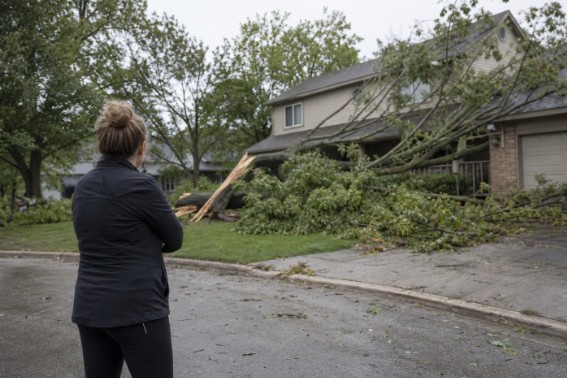
When a storm leaves a tree leaning over a roof, tangled across a driveway, split down the trunk, or resting near utility lines, the priority is simple: keep people clear and get the situation evaluated safely. For homeowners, businesses, farms, and property managers, emergency tree removal in Burlington and SE Wisconsin provides a practical path forward after high winds, lightning, ice, heavy snow, or rain-soaked soil turn a familiar tree into an immediate hazard. Quick action can also help prevent a blocked entrance, a damaged vehicle, or an unstable limb from causing additional problems while repairs and insurance decisions are being arranged.
Across Burlington and the surrounding Southeast Wisconsin communities, a damaged tree does not have to be completely down to be dangerous. A cracked limb can drop long after the sky clears. A tree with lifted roots may shift in the next gust. Rausch Tree and Outdoor Services helps property owners assess storm damage, plan controlled removal when needed, clear debris, and address the remaining stump or nearby tree risks. This can be especially valuable when a property has multiple mature trees, limited room between structures, or a tree that has fallen into another tree and cannot be safely handled from the ground.
Why Storm-Damaged Trees Become Emergencies
Southeast Wisconsin weather can put trees under stress in every season. Summer thunderstorms may bring strong, sudden winds and lightning. Winter can load branches with heavy, wet snow or ice. Spring and fall rainfall can saturate the ground, reducing the roots’ ability to hold a large canopy in place. These conditions are especially important around Burlington properties with mature oaks, maples, ash, pines, spruces, and ornamental trees near homes, barns, garages, roads, and walkways. Even a healthy-looking tree may have weak branch unions, hidden decay, shallow roots, or prior storm injuries that become more apparent during severe weather.
Visible damage tells only part of the story. Internal decay can weaken a trunk even when the tree looked healthy before the storm, while hollow areas, missing bark, shelf fungi, and old scars can indicate structural concerns. The University of Wisconsin-Madison Extension guidance on assessing wind and storm-damaged trees recommends professional evaluation for large suspect trees near buildings, sidewalks, and streets. A prompt assessment can help distinguish between branches that can be safely pruned, trees that may be stabilized or monitored, and trees that need removal because their structure has been compromised.
Warning Signs That Need Prompt Attention
- A tree has fallen onto a house, garage, vehicle, fence, road, or driveway.
- Roots are exposed, the soil is lifted, or the tree suddenly begins to lean.
- Large broken limbs are hanging above a roof, a vehicle, a sidewalk, or an entryway.
- The trunk has a deep crack, split, hollow, or visible separation.
- Storm damage is close to power lines or utility equipment.
- Several branches have broken throughout the canopy, changing the tree’s balance.
- A tree is resting against another tree, a structure, or an overhead obstacle rather than lying securely on the ground.
- Access to a home, business, farm lane, emergency route, or parking area is blocked by fallen wood.
Do not assume that a tree is safe simply because it remains upright. Waiting can allow wind, gravity, or further soil movement to turn a manageable concern into a more serious property damage event. Conditions can also change as wet soil dries, temperatures shift, or another round of wind moves through the area, so a newly leaning tree should not be ignored simply because no additional damage has occurred yet.
What to Do Immediately After a Tree Emergency
Start by creating distance between people, pets, and the damaged tree. Keep children out of the area, do not park or walk beneath hanging branches, and do not attempt to climb a tree or cut a limb from a ladder. Storm-damaged wood can be under pressure, and a cut can cause a branch or a section of the trunk to move without warning. If possible, use cones, tape, or another visible barrier to keep visitors, tenants, customers, and family members away from the affected area until it has been evaluated.
If power lines are down, touching a tree, or nearby, stay well away and contact the utility provider or emergency services as appropriate. Never try to move branches from electrical wires yourself. Take photos from a safe location for insurance documentation, then note any damage the tree has caused, such as to the roof, driveway, vehicle, access route, or fence. Avoid standing beneath a damaged canopy to get a closer picture, and do not enter a structure if a tree has caused visible major structural damage until it is safe to do so.
How Professional Emergency Tree Removal Works
Every emergency site is different. A fallen tree in an open yard requires a different approach than a large maple resting on a Burlington home, a pine blocking a rural driveway, or a damaged limb above a busy commercial entrance. Rausch Tree and Outdoor Services evaluates the tree’s condition, surrounding structures, access points, ground conditions, and potential hazards before work begins. Careful planning is important because crews may need to work around landscaping, fencing, septic areas, parked vehicles, uneven terrain, or limited space for equipment.
- Initial contact and safety information: The property owner explains the location and visible damage so the situation can be prioritized.
- On-site risk assessment: The crew examines the trunk, roots, branches, lean, nearby buildings, utility concerns, and safe work zones.
- Removal or stabilization plan: Depending on the damage, the right solution may be sectional removal, hazardous limb removal, corrective pruning, stabilization, or continued monitoring.
- Controlled tree work: When removal is necessary, the tree is carefully dismantled in manageable sections to help protect nearby structures, landscaping, and access areas.
- Cleanup and next steps: Debris can be cleared, and stump grinding or a follow-up inspection can be arranged when appropriate.
During the process, the work area may be temporarily restricted to allow crews to operate safely and control where branches and wood sections are placed. Property owners can help by moving vehicles when it is safe to do so, keeping gates accessible, and sharing information about irrigation lines, underground utilities, pets, or other site-specific concerns that could affect access or cleanup.
Why DIY Storm Cleanup Can Create More Risk
Picking up small branches from an open lawn may be manageable, but emergency tree removal is not ordinary yard work. A partially uprooted tree can fall in an unpredictable direction. A limb wedged in another tree may be carrying stored tension. A chainsaw used near a roof, vehicle, or unstable trunk can quickly create a dangerous situation. Branches that appear light enough to handle can also shift suddenly when other limbs, fencing, gutters, or debris support their weight.
Professional help is particularly important when damage involves height, heavy wood, limited access, structures, or electrical hazards. The goal is not merely to get the tree down. It is to remove or reduce the hazard without causing avoidable additional damage to the property or putting anyone at risk. In many cases, the safest sequence is to remove unstable branches first, reduce canopy weight, and then address trunk or root failure in a controlled manner.
Cleanup, Stump Grinding, and Future Tree Care
Restoring a property after a storm often means more than cutting up a fallen tree. Clearing logs and brush can reopen a driveway, make walkways safer, and give homeowners room to begin roof repairs or landscape recovery. If a stump remains in a high-use area, stump grinding can reduce the visible obstacle and make the space easier to mow, landscape, or prepare for future planting. Removing leftover debris can also make it easier to inspect lawns, fences, siding, and other areas that may have been hidden beneath the fallen tree.
It is also wise to inspect surrounding trees after one tree fails. The same wind event, saturated soil, or snow load may have weakened neighboring trees. Structural pruning, deadwood removal, and early identification of decay or poor branch attachments can help reduce future storm risks. The National Weather Service has documented damaging wind events in southern Wisconsin, a reminder that local trees must be ready for more than ordinary breezes. Routine tree care is particularly useful for trees growing near homes, garages, service lines, driveways, playgrounds, and other areas where a falling branch could have serious consequences.
Local Emergency Tree Support for Burlington and Southeast Wisconsin
Whether the issue is a blocked driveway in Burlington, a storm-damaged tree near Lake Geneva, a hazardous limb over a Waukesha business entrance, or a fallen tree on a rural Southeast Wisconsin property, prompt planning matters. Rausch Tree and Outdoor Services serves residential, commercial, and rural properties with emergency tree removal, hazardous tree assessment, cleanup, corrective tree work, and stump grinding. A clear plan can help restore safe access for residents, employees, customers, deliveries, livestock care, and everyday property use.
Location: Rausch Tree and Outdoor Services | 29037 Bushnell Rd, Burlington, WI 53105 | (262) 800-4471
Securing the area and requesting a professional assessment can help protect people, restore access, and bring order back to the property after the wind has passed.


10 Actionable Steps to Increase Amazon Brand Visibility This Year

Who Keeps the Jackpot? How Gambling Winnings Are Taxed in the US, the UK and Denmark

Finding Games Repetitive? Baccarat Variations Can Offer Different Experiences

What to Check Before Connecting Any MCP Server to Your Account

Step-by-Step Instructions to Check Winning Numbers on Web Portals

Corporate Gifts for Better Business Brand Promotion Now

Understanding Single-Account Gaming Platforms and Their Benefits

How Pay Per Lead Loan Affiliate Programs Create New Revenue Opportunities

Safer Aging at Home: A Daily Plan for Mobility, Fall Prevention, and Peace of Mind

Teeth Whitening Options: What Actually Works

BPC-157 UK: A Research-Focused Guide to the Experimental Peptide

Online Gaming and Comedy Gold: Kevin Hart Takes to the (Digital) Stage

Mexico City museums, parks and food markets: a culture-first itinerary

The Goplay711 Difference: Why Live Casino Players Are Switching

What are the Benefits of Receiving Healthcare Services at Home?

How Trauma Therapy Works: Methods, Timelines & What to Expect


Don Toliver Net Worth: Height, Age, Real Name, Career & More
Don Toliver is an American rapper and singer best known for his RIAA platinum certified songs, No Idea and After...


Finesse2tymes Net Worth: Height, Age, Real Name & Career
Finesse2tymes is an American rapper and recording artist. He is mainly recognized for his thunderous voice and motivational lyrics in...


Sugarhill Ddot Net Worth: Height, Age, Real Name & Career
Sugarhill Ddot is an American hip-hop recording artist best known for his songs, Real Facts and I Wanna Love You....


GloRilla Net Worth: Height, Age, Bio, Real Name & Career
GloRilla is an American rapper and hip-hop recording artist from Memphis. She is best known for her popular singles, “Westside...


Destroy Lonely Net Worth: Height, Age, Real Name & Career
Destroy Lonely is an American rapper best known for his 2022 mixtape, No Stylist. He is currently signed to rapper...
-
Rappers2 years ago
GloRilla Net Worth: Height, Age, Bio, Real Name & Career
-
 News2 years ago
Trash To Treasure: Maximizing Space And Efficiency Through Junk Removal
-

 Businessman3 years ago
7 Proven Lead Generation Strategies To Implement in 2023
-
 Businessman2 years ago
Brandon Fugal Net Worth: How Rich is Skinwalker Ranch Owner?
-

 Rappers3 years ago
BigXthaPlug Net Worth: Height, Age, Real Name & Career
-

 TV Stars2 years ago
Kaleb Cooper Net Worth: How Rich is the TV Star Actually?
-

 Internet Stars4 years ago
Mufti Menk Net Worth: How Rich is the Islamic Speaker Actually?
-

 TV Stars2 years ago
Carla Diab Net Worth: How Rich is the TV Star Actually in 2025?
You must be logged in to post a comment Login