
News
What to Look for When Choosing Seeds

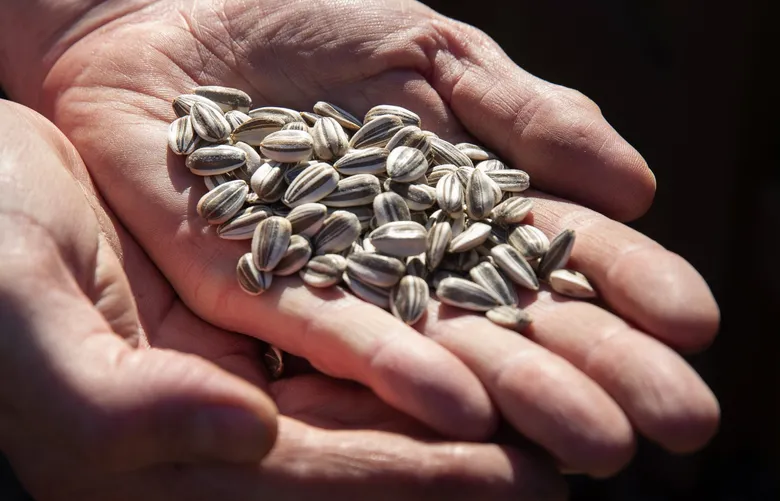
Selecting the right seeds for your garden or cultivation project stands as one of those make-or-break decisions that’ll shape your entire growing journey. The quality and characteristics you choose at this stage directly influence everything from germination rates to plant health, yield potential, and the overall success of your harvest. Whether you’re planning to grow vegetables, herbs, flowers, or specialty crops, understanding what separates superior seeds from mediocre ones will save you considerable time, money, and headaches down the road. The selection process demands careful attention to multiple factors, genetics, seed viability, your intended growing conditions, and what you’re actually hoping to achieve with your cultivation. When you learn to evaluate seeds properly before pulling out your wallet, you’re setting yourself up for a far more productive and rewarding growing experience right from the start.
Understanding Seed Genetics and Strain Selection
The genetic background of your seeds determines virtually everything about how your plants will develop and perform throughout their entire lifecycle. When you’re evaluating seeds, take time to research the specific genetics or strain information so you’ll understand the expected growth patterns, maturation timelines, and final plant characteristics you can anticipate. Reputable seed sources provide detailed genetic lineage information that reveals whether a variety has been stabilized through multiple generations of careful breeding or represents a newer, less-tested cross that might surprise you. What you’re really after here are seeds from stable genetics with predictable outcomes, not unstable crosses that might produce wildly inconsistent results across different plants in your garden.
Evaluating Seed Appearance and Physical Quality
Visual inspection of seeds provides valuable clues about their viability and potential performance, though you shouldn’t rely on appearance as your only deciding factor. High-quality seeds typically display a dark, solid coloration ranging from light brown to nearly black, often with tiger-striping or mottled patterns that indicate full maturation. You’ll want to steer clear of seeds that appear pale, white, greenish, or have a soft texture that crushes easily, these characteristics suggest immaturity or poor storage conditions that have compromised their potential. The seed coat should feel firm and smooth when you gently press it between your fingers, offering slight resistance rather than crumbling or denting without much pressure.
Assessing Seed Freshness and Storage Conditions
The age and storage history of seeds significantly impact germination rates and seedling vigor, which makes freshness absolutely critical in your selection process. You should always check harvest or packaging dates when they’re available, since seed viability naturally declines over time even when storage conditions remain optimal. Seeds stored in cool, dark, and dry environments maintain their viability much longer than those exposed to heat, light, or moisture fluctuations that speed up degradation. Professional seed suppliers typically package their products in sealed, light-proof containers with moisture barriers or desiccant packets to preserve freshness during transport and the time products spend sitting on shelves.
Considering Growing Environment Compatibility
Matching your seed selection to your specific growing conditions represents a fundamental aspect of cultivation success that plenty of beginning growers tend to overlook. You need to honestly assess whether you’re planning to grow indoors, outdoors, or in a greenhouse environment, since each presents distinct advantages and challenges that certain genetics handle better than others. Indoor cultivation requires seeds bred for controlled environments with limited vertical space, while outdoor varieties often need specific climate conditions and longer growing seasons to reach their full maturity. Consider your local climate patterns including temperature ranges, humidity levels, and seasonal light cycles when you’re selecting seeds, some varieties absolutely thrive in cool climates while others demand hot, arid conditions to perform well. For professionals who need to cultivate cannabis in specialized environments, marijuana seeds bred specifically for those conditions ensure consistent results and optimal plant performance. Research whether particular seeds require extensive training techniques, special nutrient programs, or specific light schedules that may exceed your available resources or current experience level. Additionally, evaluate disease and pest pressures that are common in your region and prioritize seeds with natural resistance to those specific challenges you’re likely to encounter.
Verifying Source Reputation and Testing Standards
The reliability and transparency of your seed source plays an equally important role as the seeds themselves in determining your likelihood of success. You should research potential suppliers thoroughly, looking for established companies with positive customer reviews, detailed product information that doesn’t leave you guessing, and responsive customer service teams who actually answer questions. Reputable seed companies conduct germination testing on their inventory and provide this data to customers, typically guaranteeing germination rates of eighty percent or higher for fresh stock. Look for suppliers who offer clear return or replacement policies for seeds that fail to germinate, this demonstrates real confidence in their product quality rather than just marketing talk.
Conclusion
Choosing the right seeds requires a comprehensive evaluation process that treats genetics, physical quality, freshness, environmental compatibility, and source reputation as interconnected factors that collectively determine your cultivation success. When you take time to research and assess these critical elements before making a purchase, you significantly increase your chances of achieving strong germination rates, healthy plant development, and ultimately satisfying yields. The investment you make in quality seeds at the beginning of your growing journey pays dividends throughout the entire cultivation cycle and harvest period. Remember that premium seeds from reputable sources may cost more initially, but they typically deliver far superior results compared to budget options with questionable backgrounds or unknown histories.


Common Household Pests and How to Control Them

How Trauma Therapy Works: Methods, Timelines & What to Expect

How Alcohol Affects the Brain and Body Over Time

How to Find the Right Mental Health Provider for Your Family

Teeth Whitening Options: What Actually Works

BPC-157 UK: A Research-Focused Guide to the Experimental Peptide

How Do Free Credits and VIP Tier Upgrades Work on GoPlay711?

The Goplay711 Difference: Why Live Casino Players Are Switching

Listed Price or Tier Price? Finding the Point Where Waiting Pays Off

How Much Money Does Clash of Clans Actually Make?

From Municipal Clinics to Private HMOs: How Defendant Categorization Shapes What a Family Can Recover

How Much Do NFL & NBA Stars Actually Bet? The Real Numbers

NFL’s Richest Stars vs. The Texas Casino Ban

Brahim Díaz – A Journey Of Remarkable Growth In 2026

Earrings for Men: The Complete Style Guide to Wearing Studs and Hoops in 2026

The Difference Between a Soft Floral and a Fresh Floral Fragrance


Don Toliver Net Worth: Height, Age, Real Name, Career & More
Don Toliver is an American rapper and singer best known for his RIAA platinum certified songs, No Idea and After...


Finesse2tymes Net Worth: Height, Age, Real Name & Career
Finesse2tymes is an American rapper and recording artist. He is mainly recognized for his thunderous voice and motivational lyrics in...


Sugarhill Ddot Net Worth: Height, Age, Real Name & Career
Sugarhill Ddot is an American hip-hop recording artist best known for his songs, Real Facts and I Wanna Love You....


GloRilla Net Worth: Height, Age, Bio, Real Name & Career
GloRilla is an American rapper and hip-hop recording artist from Memphis. She is best known for her popular singles, “Westside...


Destroy Lonely Net Worth: Height, Age, Real Name & Career
Destroy Lonely is an American rapper best known for his 2022 mixtape, No Stylist. He is currently signed to rapper...
-
Rappers2 years ago
GloRilla Net Worth: Height, Age, Bio, Real Name & Career
-
 News2 years ago
Trash To Treasure: Maximizing Space And Efficiency Through Junk Removal
-

 Businessman3 years ago
7 Proven Lead Generation Strategies To Implement in 2023
-
 Businessman2 years ago
Brandon Fugal Net Worth: How Rich is Skinwalker Ranch Owner?
-

 Rappers3 years ago
BigXthaPlug Net Worth: Height, Age, Real Name & Career
-

 TV Stars2 years ago
Kaleb Cooper Net Worth: How Rich is the TV Star Actually?
-

 Internet Stars4 years ago
Mufti Menk Net Worth: How Rich is the Islamic Speaker Actually?
-

 TV Stars2 years ago
Carla Diab Net Worth: How Rich is the TV Star Actually in 2025?
You must be logged in to post a comment Login