
News
5 Common Questions Pet Owners Ask Veterinary Hospitals

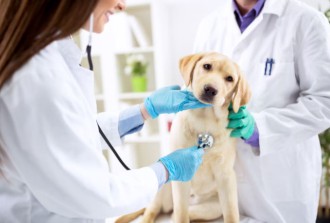
You notice the small things first. Your dog skips breakfast. Your cat hides under the bed. A cough shows up out of nowhere, or a limp lasts longer than a day, and suddenly you are doing mental math about cost, timing, and whether this is serious or something that can wait. That stress is real. Most people do not call a veterinary hospital because life is calm. They call because they are worried and they want a clear answer about pet care in Sumter, SC.
The good news is that many of the same concerns come up every day, and veterinary teams are used to walking pet owners through them. Common questions pet owners ask veterinary hospitals usually fall into a few familiar categories: when to bring a pet in, how often visits are needed, what vaccines matter, what an emergency looks like, and how to handle costs. Once you understand those basics, decisions get easier and your pet gets care sooner.
Veterinary hospitals often hear the same urgent concerns
One of the most common worries is simple: “Does my pet need to be seen now?” You may be staring at your pet, trying to decide if vomiting once is a fluke or the start of something worse. The hard part is that pets hide pain well. By the time symptoms are obvious, the problem may be more advanced than it looks.
A veterinary hospital helps sort that out fast. Trouble breathing, repeated vomiting, collapse, seizures, a swollen abdomen, pale gums, severe bleeding, or trouble urinating need prompt attention. A mild itch, one soft stool, or a day of low energy may not be an emergency, but they still deserve a call if they do not improve. Waiting too long can turn a manageable issue into a bigger one, both medically and financially.
Another question owners ask is how often a pet really needs an exam. It is easy to assume that if your pet seems fine, there is nothing to check. That is often when routine care matters most. Annual exams for many adult pets, and more frequent visits for puppies, kittens, seniors, and pets with chronic conditions, help catch dental disease, weight changes, arthritis, skin issues, and early organ problems before they become crises. The AVMA pet care resources offer a helpful overview of preventive care and what regular visits can include.
Vaccines bring up another layer of confusion. Owners often ask which shots are required, which are recommended, and whether indoor pets need the same protection. The answer depends on species, age, lifestyle, travel, boarding, and local disease risk. Rabies is legally required in many places. Core vaccines protect against serious and common diseases. Non core vaccines may still matter if your dog goes to daycare, hikes often, or meets other animals. Even indoor pets are not sealed off from risk. Doors open, pets escape, and some diseases can be carried in on shoes or other animals.
People also ask what a veterinary hospital visit will cost, and that question usually carries some guilt with it. You care about your pet, but you still need numbers. That does not make you careless. It makes you responsible. Costs vary based on the exam, tests, imaging, treatment, and follow up needs. A straightforward visit for an ear infection is very different from an emergency workup for sudden weakness. Asking for an estimate is normal, and a good team will explain priorities so you can make informed choices.
Then there is the question behind many of the others: “Am I overreacting?” Usually, you are not. If your pet is acting unlike themselves, that change means something. You know their habits. A vet team can tell you whether the issue is minor, needs monitoring, or deserves immediate care. That guidance alone can lower a lot of fear.
Pet owner questions about veterinary care usually come down to risk, timing, and cost
When you strip away the panic, most frequently asked questions for animal hospitals are about balancing those three things. If you wait, does risk go up? If you come in now, what will the visit involve? If testing is suggested, what problem is each test trying to rule out?
Take a dog with diarrhea after getting into the trash. It may pass in a day, or it may turn into dehydration, pancreatitis, or an intestinal blockage. A phone call to a veterinary hospital can help place that symptom in context. The same goes for a cat that stops eating. Missing one meal may not sound dramatic, but in cats, poor appetite can become dangerous faster than many owners realize.
Reliable public health guidance can help you stay grounded between visits. The CDC’s page on healthy habits for dogs and their people covers prevention, hygiene, and everyday care that supports long term health.
Comparing common veterinary hospital concerns side by side
| CONCERN | WHAT OWNERS OFTEN HOPE | WHAT CAN HAPPEN IF THEY WAIT TOO LONG | WHEN A VETERINARY HOSPITAL SHOULD BE CALLED |
| Vomiting or diarrhea | It will pass on its own | Dehydration, toxin exposure, blockage, pancreatitis | Repeated episodes, blood, lethargy, pain, refusal to eat or drink |
| Limping | It is just a minor strain | Worsening injury, untreated pain, joint damage | Non weight bearing, swelling, crying out, lasts more than a day |
| Skipping meals | They are just picky today | Hidden illness, dehydration, rapid decline in cats | No appetite for 24 hours, sooner for kittens, puppies, or cats with other symptoms |
| Itching or ear shaking | It is probably allergies only | Skin infection, ear infection, self trauma | Odor, redness, discharge, constant scratching, head tilt |
| Routine exam | No need if my pet seems healthy | Missed early disease, dental pain, delayed treatment | At least yearly for most adults, more often for young, senior, or sick pets |
Three steps you can take before calling a veterinary hospital
- Write down the exact change you noticed. Time matters. Note when symptoms started, how often they happen, what your pet ate, any new foods or medications, and whether energy, breathing, bathroom habits, or behavior changed. That short timeline helps a veterinary hospital triage the problem faster.
- Take a photo or video if it is safe. Limping, coughing, odd breathing, balance problems, and skin changes do not always show up the same way in the exam room. A clear video can give the care team a better picture of what is happening at home.
- Ask direct questions about urgency, testing, and cost. If you are calling about one of the top veterinary hospital questions, be plain. Ask whether your pet should be seen today, what warning signs mean emergency care, what the first exam may include, and whether an estimate can be provided. Clear questions usually lead to clear answers.
Clear answers help you make calmer choices for your pet
You do not need to know everything before you reach out. You just need to notice when something feels off and act on it. Veterinary hospitals answer these same concerns every day, and the right conversation can turn a stressful guess into a solid plan. If your pet is showing symptoms, due for preventive care, or simply not acting like themselves, contact a veterinary hospital and get guidance before a small problem grows.


5 Common Questions Pet Owners Ask Veterinary Hospitals

How Family Dentists Help Caregivers Track Dental Symptoms Between Visits

Why Fixed Portions Make Weight Loss So Much Easier

What Happens After an Arrest? A Guide from Criminal Lawyers in Bankstown

A Practical Guide for Property Settlement in Springvale

Walking the Legal End of the Estate Executor Journey in Queensland

How Orthodontists And Family Dentists Coordinate Care For Teeth With Large Fillings

Why social casinos are rising and how High 5 Casino sets the standard

Mexico City museums, parks and food markets: a culture-first itinerary

How Bigger Match Payouts Actually Change FC 27 Weekend Prep

Top 6 AI Document Processing Platforms for Enterprise Workflow Automation

How an Edit Stays Useful After the Face Paste Stops Impressing Anyone

ADA Signage: What Every Business Should Know About Interior Signs

10 Tools To Build Visibility in AI-Driven Answers in 2026

Understanding Single-Account Gaming Platforms and Their Benefits

Cove Lighting and False Ceilings: Creating a Soft, Layered Glow


Don Toliver Net Worth: Height, Age, Real Name, Career & More
Don Toliver is an American rapper and singer best known for his RIAA platinum certified songs, No Idea and After...


Finesse2tymes Net Worth: Height, Age, Real Name & Career
Finesse2tymes is an American rapper and recording artist. He is mainly recognized for his thunderous voice and motivational lyrics in...


Sugarhill Ddot Net Worth: Height, Age, Real Name & Career
Sugarhill Ddot is an American hip-hop recording artist best known for his songs, Real Facts and I Wanna Love You....


GloRilla Net Worth: Height, Age, Bio, Real Name & Career
GloRilla is an American rapper and hip-hop recording artist from Memphis. She is best known for her popular singles, “Westside...


Destroy Lonely Net Worth: Height, Age, Real Name & Career
Destroy Lonely is an American rapper best known for his 2022 mixtape, No Stylist. He is currently signed to rapper...
-
Rappers2 years ago
GloRilla Net Worth: Height, Age, Bio, Real Name & Career
-

 News2 years ago
Trash To Treasure: Maximizing Space And Efficiency Through Junk Removal
-

 Businessman3 years ago
7 Proven Lead Generation Strategies To Implement in 2023
-
 Businessman2 years ago
Brandon Fugal Net Worth: How Rich is Skinwalker Ranch Owner?
-

 Rappers4 years ago
BigXthaPlug Net Worth: Height, Age, Real Name & Career
-

 TV Stars2 years ago
Kaleb Cooper Net Worth: How Rich is the TV Star Actually?
-

 Internet Stars4 years ago
Mufti Menk Net Worth: How Rich is the Islamic Speaker Actually?
-

 TV Stars2 years ago
Carla Diab Net Worth: How Rich is the TV Star Actually in 2025?
You must be logged in to post a comment Login