
News
Top 5 Basement Design Ideas That Add Function and Value

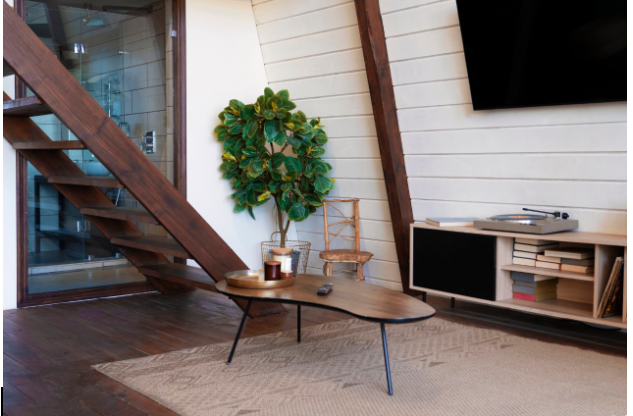
Your basement probably holds more potential than any other space in your home. Most basements become dumping grounds for holiday decorations, old furniture, and boxes of stuff nobody uses. Meanwhile, you’re paying to heat and cool hundreds of square feet of wasted space.
Finishing your basement adds a usable living area without the cost and hassle of building an addition. You’re working with space that already exists under your roof. The foundation is there. The structure is there. You’re simply transforming unused square footage into rooms your family actually uses.
The numbers make basement finishing attractive. A midrange basement remodel recoups about 70% of its cost at resale. That’s a better return than many other home improvements. More importantly, a finished basement makes your home more livable and enjoyable right now, not just when you sell.
The key is designing your basement thoughtfully based on what your family actually needs. A finished basement should solve real problems in your daily life. Maybe you need office space for remote work. Perhaps your kids need a play area that keeps toys out of your living room. Or you want a place to exercise without paying for a gym membership.
Let me walk you through five popular basement designs that add real function and significant value to your home.
1. The Multi-Purpose Family Room
This design creates flexible living space the whole family uses throughout the day.
Layout Essentials
A multi-purpose family room typically includes several distinct zones within one open area:
- Entertainment zone with comfortable seating facing a TV or projector screen
- Kids’ play area with storage for toys and games
- Reading nook with good lighting and bookshelves
- Craft or hobby table for projects
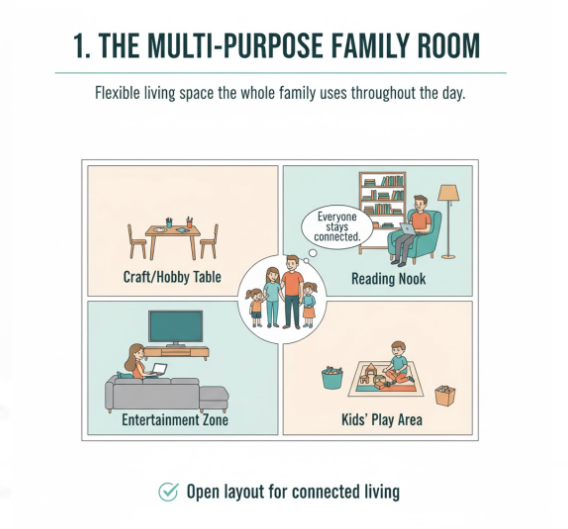
The open layout lets you supervise kids while relaxing or working on your own activities. Everyone stays connected but has their own space for different activities.
Design Considerations
Ceiling height matters significantly in basements. Most building codes require at least 7 feet of clear height, but 8 feet feels much more comfortable. If you’re dealing with exposed ductwork or pipes, consider options like drop ceilings or painted-out mechanicals before you start framing.
Lighting is critical in basements since natural light is limited. Plan for multiple light sources including recessed ceiling lights, table lamps, and task lighting for reading or craft areas. Dimmer switches let you adjust lighting for movies versus homework time.
When planning a multi-purpose space, especially in areas where basements sometimes face moisture challenges, proper waterproofing and drainage become essential. For instance, homes requiring basement finishing Erie Colorado contractors work on often need specific attention to foundation sealing and sump pump installation given the local soil conditions and water table levels.
For those considering a basement renovation, integrating efficient heating and electrical systems is crucial to maximizing both comfort and functionality. Partnering with experts like Kahl AC, Heating & Electrical can ensure that your basement is equipped with the latest technology, providing a seamless blend of warmth and energy efficiency. Whether you’re transforming your basement into a cozy family room or a state-of-the-art home theater, having a reliable heating and electrical setup is essential. This not only enhances the overall ambiance but also adds significant value to your home, making it a wise investment for the future.
Value Addition
A well-designed family room basement adds 10% to 15% to your home’s value according to real estate professionals. More importantly, it provides daily value by giving your family room to spread out and reducing the wear and tear on your main living areas.
Budget Range
Expect to spend $30,000 to $60,000 for a 600 to 800 square foot multi-purpose family room including:
- Framing and drywall
- Flooring (carpet or luxury vinyl plank)
- Electrical and lighting
- HVAC extensions
- Basic built-in storage
2. The Home Office or Work-From-Home Suite
Remote work changed how we use our homes. A dedicated basement office separates work from family life while maximizing your home’s functionality.
Layout Essentials
An effective home office needs:
- Desk area with proper task lighting
- Adequate electrical outlets and charging stations
- Strong Wi-Fi signal or ethernet connection
- Storage for files, supplies, and equipment
- Professional background for video calls
- Door for noise control and privacy
Consider adding a small bathroom nearby if your basement doesn’t have one. This keeps you from running upstairs constantly during the workday and maintains the separation between work and home spaces.
Design Considerations
Sound control is crucial for home offices. Install insulation in walls and ceilings to reduce noise from upstairs. Add solid core doors instead of hollow doors. Consider acoustic panels if you take frequent video calls.
Egress windows aren’t just safety features. They’re legally required in basement bedrooms or offices where people spend extended time. These windows provide emergency exit routes and bring in natural light that reduces eye strain and improves mood during long work hours.
Temperature control matters more when you’re sitting still for hours. Basements tend to be cooler than upper floors. Add a separate thermostat zone or space heater to maintain comfortable temperatures without overheating the whole house.
Value Addition
A finished basement office adds flexibility that appeals to buyers. They might use it as an office, bedroom, or study. This flexibility increases your home’s marketability and typically adds 8% to 12% to overall value.
Budget Range
A professional home office costs $20,000 to $45,000 for 200 to 400 square feet including:
- Soundproofing materials
- Egress window installation if needed
- Built-in desk and shelving
- Upgraded electrical for computers and equipment
- Quality flooring and finishes
3. The Home Gym and Wellness Space
Gym memberships cost $40 to $100 monthly. Over ten years, that’s $4,800 to $12,000. A home gym eliminates this recurring cost while providing convenient access to fitness equipment.
Layout Essentials
Effective home gyms include:
- Open floor space for movement and stretching (at least 100 square feet)
- Rubber flooring to protect the concrete and reduce noise
- Mirror wall for checking form during exercises
- Storage for weights, yoga mats, and accessories
- TV or tablet mount for following workout videos
- Good ventilation to prevent stuffiness during cardio
Some people add a bathroom with a shower nearby, transforming the space into a complete wellness area. This addition costs more but makes the gym much more functional.
Design Considerations
Structural capacity is critical for home gyms. Concrete basement floors easily support heavy equipment, but verify your floor can handle concentrated weight loads if you’re installing a squat rack or heavy weight stack machines.
Ventilation prevents moisture and odor buildup. Add a bathroom exhaust fan or HVAC return to keep air fresh. Consider a dehumidifier if your basement tends toward dampness.
Ceiling height limits certain exercises. You need at least 8 feet of clearance for jumping exercises, resistance bands, and some stretching movements. Measure twice before installing a drop ceiling that reduces your working height.
Sound dampening protects household peace. Rubber flooring helps significantly, but also consider wall insulation and acoustic tiles if family bedrooms sit directly above your gym.
Value Addition
Home gyms appeal to health-conscious buyers, which represents a growing market segment. While they add 5% to 10% in direct value, they can be the deciding factor for buyers choosing between similar homes.
Budget Range
A functional home gym costs $15,000 to $40,000 for 300 to 500 square feet including:
- Rubber or foam flooring
- Mirror installation
- Upgraded ventilation
- Electrical for TV and equipment
- Basic finishes
Equipment costs separately and varies wildly based on what you buy.
4. The Guest Suite or In-Law Apartment
Multi-generational living is increasingly common. A basement guest suite or in-law apartment provides private space for family members or guests while maintaining everyone’s independence.
Layout Essentials
A complete guest suite includes:
- Bedroom area with closet
- Private bathroom with shower
- Small kitchenette with sink, microwave, and refrigerator
- Sitting area separate from the sleeping space
- Private entrance if possible
This layout lets guests or family members maintain their own routines without constant interaction with the main household.
Design Considerations
Building codes are stricter for basement bedrooms. Requirements typically include:
- Egress windows meeting minimum size requirements (usually 5.7 square feet of opening)
- Smoke detectors and carbon monoxide detectors
- Adequate ceiling height (7 feet minimum)
- Proper HVAC for climate control
Some municipalities require permits for kitchenettes or separate living units. Check local regulations before finalizing plans. Creating an illegal apartment causes problems if you ever sell your home.
Soundproofing between the basement suite and main house provides privacy for everyone. Nobody wants to hear every conversation or footstep from upstairs or downstairs.
Accessibility features make sense if elderly family members will use the space. Consider barrier-free showers, grab bars, wider doorways, and lever-style door handles instead of knobs.
Value Addition
Guest suites add 15% to 20% to home value in many markets. They appeal to buyers with aging parents, adult children returning home, or those who frequently host guests. The flexibility of a separate living space is highly desirable.
Budget Range
A complete guest suite costs $45,000 to $85,000 for 400 to 600 square feet including:
- Full bathroom with plumbing
- Egress window installation
- Kitchenette with plumbing and electrical
- Bedroom and sitting area finishes
- Separate HVAC zone
5. The Entertainment and Recreation Hub
A dedicated entertainment space creates the perfect gathering spot for family and friends without disrupting the rest of your home.
Layout Essentials
Entertainment spaces might include:
- Home theater with projector or large screen TV
- Bar area with seating
- Game table for poker, board games, or puzzles
- Pool table or foosball table
- Comfortable seating for groups
The specific mix depends on how your family and friends like to spend time together.
Design Considerations
Theater design requires careful planning. Control ambient light with blackout window treatments if you have windows. Choose dark wall colors to reduce light reflection. Install proper acoustic treatments so sound stays in the theater instead of traveling throughout the house.
Bar plumbing adds significant cost but provides major convenience. Wet bars with running water let you mix drinks, wash glasses, and clean up without running upstairs. Budget an extra $3,000 to $8,000 for plumbing installation depending on proximity to existing water lines.
Electrical planning matters for entertainment spaces. You need adequate circuits for AV equipment, gaming systems, bar refrigerators, and lighting. Plan outlet placement carefully based on furniture layout so you’re not running extension cords across walking paths.
Storage space for games, movies, bar supplies, and equipment keeps the area organized and functional. Built-in cabinets cost more upfront but provide custom solutions that fit your specific needs.
Value Addition
Entertainment spaces appeal to buyers who entertain frequently. They add 8% to 15% in value while providing significant quality of life improvements. The value is especially strong in markets where entertaining at home is popular.
Budget Range
An entertainment hub costs $35,000 to $75,000 for 500 to 800 square feet including:
- Home theater setup with proper wiring
- Bar with or without plumbing
- Quality flooring suitable for high traffic
- Built-in storage and shelving
- Upgraded electrical and lighting
Making Your Design Choice
The best basement design solves specific problems your family faces. Consider these questions:
- What do we struggle with in our current home?
- How do we actually spend our free time?
- What features would we use daily versus occasionally?
- Who will use this space most often?
- What’s our realistic budget including a 10% to 15% contingency?
Your answers guide you toward the design that adds the most value for your specific situation.
Don’t try cramming everything into one basement. A space trying to be everything ends up being nothing particularly well. Focus on one primary function with maybe one secondary purpose.
Work with experienced contractors who understand basement finishing. They know local building codes, proper moisture control, and realistic budgets. Their expertise prevents expensive mistakes and ensures your finished basement remains comfortable and problem-free for decades.
Your basement represents hundreds of square feet of potential. The right design transforms that wasted space into one of the most valuable and useful areas in your entire home.


Hiring Trends in Chennai: Investment Banking + Financial Analytics Skills Are Winning in 2026

Erryn Barkett: Why Growing Assets Call for Regularly Updated Insurance Coverage

Inside the Multi-Million Dollar Gaming Economy: How Streamers and Digital Assets Drive the Virtual Currency Boom

Find the Right T-Shirt for Every Vibe

Building Sustainable Rental Success With Professional San Antonio Property Management

Cove Lighting and False Ceilings: Creating a Soft, Layered Glow

How Everyday Patients Choose Between Cosmetic Upgrades and Tooth Replacement

A Realistic Guide to Restoring Chipped, Missing, or Worn Teeth

Safer Aging at Home: A Daily Plan for Mobility, Fall Prevention, and Peace of Mind

Teeth Whitening Options: What Actually Works

BPC-157 UK: A Research-Focused Guide to the Experimental Peptide

Online Gaming and Comedy Gold: Kevin Hart Takes to the (Digital) Stage

Mexico City museums, parks and food markets: a culture-first itinerary

Top 6 AI Document Processing Platforms for Enterprise Workflow Automation

ADA Signage: What Every Business Should Know About Interior Signs

How Trauma Therapy Works: Methods, Timelines & What to Expect


Don Toliver Net Worth: Height, Age, Real Name, Career & More
Don Toliver is an American rapper and singer best known for his RIAA platinum certified songs, No Idea and After...


Finesse2tymes Net Worth: Height, Age, Real Name & Career
Finesse2tymes is an American rapper and recording artist. He is mainly recognized for his thunderous voice and motivational lyrics in...


Sugarhill Ddot Net Worth: Height, Age, Real Name & Career
Sugarhill Ddot is an American hip-hop recording artist best known for his songs, Real Facts and I Wanna Love You....


GloRilla Net Worth: Height, Age, Bio, Real Name & Career
GloRilla is an American rapper and hip-hop recording artist from Memphis. She is best known for her popular singles, “Westside...


Destroy Lonely Net Worth: Height, Age, Real Name & Career
Destroy Lonely is an American rapper best known for his 2022 mixtape, No Stylist. He is currently signed to rapper...
-
Rappers2 years ago
GloRilla Net Worth: Height, Age, Bio, Real Name & Career
-

 News2 years ago
Trash To Treasure: Maximizing Space And Efficiency Through Junk Removal
-

 Businessman3 years ago
7 Proven Lead Generation Strategies To Implement in 2023
-
 Businessman2 years ago
Brandon Fugal Net Worth: How Rich is Skinwalker Ranch Owner?
-

 Rappers3 years ago
BigXthaPlug Net Worth: Height, Age, Real Name & Career
-

 TV Stars2 years ago
Kaleb Cooper Net Worth: How Rich is the TV Star Actually?
-

 Internet Stars4 years ago
Mufti Menk Net Worth: How Rich is the Islamic Speaker Actually?
-

 TV Stars2 years ago
Carla Diab Net Worth: How Rich is the TV Star Actually in 2025?
You must be logged in to post a comment Login