
Businessman
How to Reinvent Your Brand Without Losing What Makes It Unique

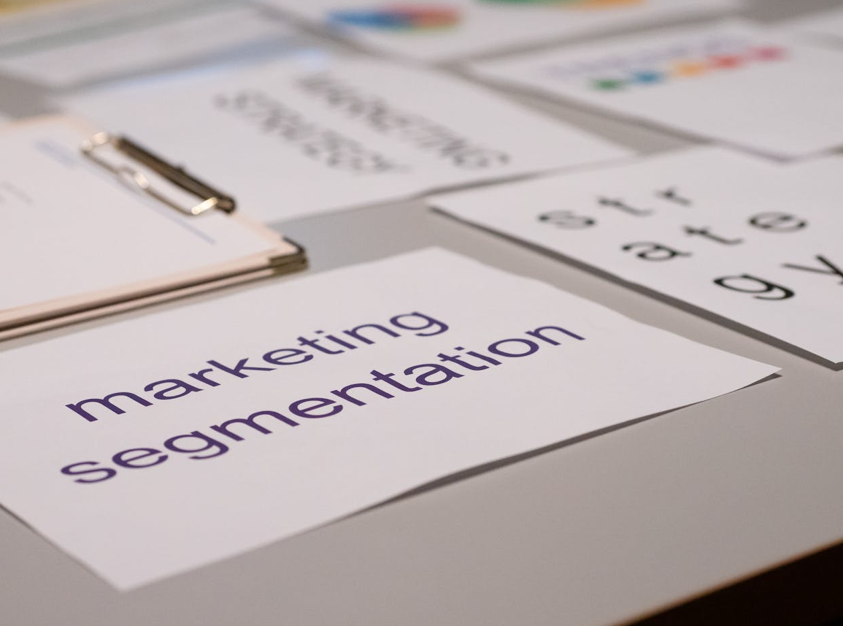
Brand reinvention is one of those delicate balancing acts that keeps business leaders up at night. As markets shift and consumer preferences evolve at lightning speed, businesses face mounting pressure to adapt their brands while holding onto the core elements that customers have learned to trust. The real challenge? Modernizing your brand’s look and messaging without losing that authentic spark that makes it recognizable in the first place. Here’s the thing: successful brand reinvention isn’t about throwing everything out and starting from scratch.
Understanding Your Brand’s Core Identity
Before you dive headfirst into any reinvention journey, you need to get crystal clear on the fundamental elements that define your brand’s essence. We’re talking about your mission, values, personality traits, and that unique value proposition that sets you apart from everyone else in your space. Take the time to conduct thorough research through customer surveys, focus groups, and candid conversations with internal stakeholders to uncover what truly resonates with your audience. This discovery phase isn’t just busy work, it reveals the non-negotiable elements that must stay intact throughout your transformation.
Analyzing Market Trends and Competitive Positioning
The push for brand reinvention usually comes from somewhere external, whether that’s shifting market dynamics, emerging technologies, or the way consumer behaviors seem to change overnight. You’ll want to conduct comprehensive market analysis to understand current trends, what your competitors are up to, and where the gaps exist that your evolved brand could potentially fill. Don’t just look at your immediate industry, either. Some of the most valuable insights come from cross-sector innovations and broader cultural shifts that influence what consumers expect from brands today.
Developing a Strategic Evolution Plan
A successful brand reinvention demands a comprehensive roadmap that outlines specific changes while fiercely protecting your brand’s core identity. Start by defining clear, measurable objectives for the reinvention, whether that’s connecting with a younger demographic, breaking into new markets, or shaking off outdated perceptions that no longer serve you. Prioritize changes based on their potential impact and feasibility, tackling adjustments that deliver the greatest value first without causing massive disruption to brand recognition. You’ll need to create detailed documentation that specifies exactly which brand elements will change, which stay constant, and how transitions will roll out across every customer touchpoint. When developing comprehensive documentation standards, professionals who need to maintain consistency across all touchpoints often rely on brand guidelines development services to ensure unified execution. Your strategic approach should map out timelines, allocate resources realistically, and establish metrics for measuring success at each stage of the transformation. Don’t skip involving key stakeholders from across your organization, brand consistency absolutely depends on unified execution, and you’ll need everyone rowing in the same direction.
Refreshing Visual Identity While Maintaining Recognition
Visual elements tend to be the most noticeable parts of any brand reinvention, which is precisely why they require such careful handling to avoid alienating the customers you already have. When you’re updating logos, color palettes, typography, or design systems, think evolution rather than revolution by keeping recognizable elements that instantly trigger brand recall. Look at how major brands have successfully modernized their visual identities through subtle refinements that feel fresh without completely abandoning their heritage. It’s worth testing proposed visual changes with focus groups that include both loyal customers and the new audiences you’re trying to reach, their reactions will tell you whether you’ve struck the right balance or pushed too far.
Communicating Your Evolution to Stakeholders
Transparent communication becomes absolutely essential when you’re reinventing your brand, ensuring that customers, employees, and partners understand and actually embrace the changes you’re making. You’ll want to develop a comprehensive communication strategy that explains the reasoning behind the reinvention, emphasizes continuity with your core values, and highlights the tangible improvements customers can expect to see. Here’s a critical point: internal communication should always come before public announcements, turning your employees into knowledgeable brand ambassadors who can articulate the evolution with genuine confidence and enthusiasm. Create narrative frameworks that weave together your brand’s history with its future direction, demonstrating how this reinvention both honors your heritage and embraces exciting new opportunities ahead.
Conclusion
Reinventing your brand without sacrificing its unique essence takes strategic planning, careful execution, and an unwavering commitment to the core values that define who you are. When you thoroughly understand what makes your brand special, analyze market opportunities with clear eyes, and implement changes thoughtfully rather than reactively, you can modernize your presence while maintaining the hard-won trust and loyalty you’ve built over time. The most successful brand reinventions manage to honor heritage while embracing innovation, creating evolution that feels natural and inevitable rather than forced or disruptive. Keep in mind that brand reinvention is really an ongoing journey rather than a final destination, it requires continuous refinement as markets shift and customer needs evolve in ways we can’t always predict.


Biltema Tools, Car and Garden Products: A Practical Owner’s Guide to Using Product Manuals

A Look at the UK’s Online Gaming Landscape

A Look at the Future of Community-Based Gaming

5 Common Questions Pet Owners Ask Veterinary Hospitals

How Family Dentists Help Caregivers Track Dental Symptoms Between Visits

Why Fixed Portions Make Weight Loss So Much Easier

What Happens After an Arrest? A Guide from Criminal Lawyers in Bankstown

A Practical Guide for Property Settlement in Springvale

Mexico City museums, parks and food markets: a culture-first itinerary

How Bigger Match Payouts Actually Change FC 27 Weekend Prep

Top 6 AI Document Processing Platforms for Enterprise Workflow Automation

How an Edit Stays Useful After the Face Paste Stops Impressing Anyone

ADA Signage: What Every Business Should Know About Interior Signs

Understanding Single-Account Gaming Platforms and Their Benefits

10 Tools To Build Visibility in AI-Driven Answers in 2026

Cove Lighting and False Ceilings: Creating a Soft, Layered Glow


Don Toliver Net Worth: Height, Age, Real Name, Career & More
Don Toliver is an American rapper and singer best known for his RIAA platinum certified songs, No Idea and After...


Finesse2tymes Net Worth: Height, Age, Real Name & Career
Finesse2tymes is an American rapper and recording artist. He is mainly recognized for his thunderous voice and motivational lyrics in...


Sugarhill Ddot Net Worth: Height, Age, Real Name & Career
Sugarhill Ddot is an American hip-hop recording artist best known for his songs, Real Facts and I Wanna Love You....


GloRilla Net Worth: Height, Age, Bio, Real Name & Career
GloRilla is an American rapper and hip-hop recording artist from Memphis. She is best known for her popular singles, “Westside...


Destroy Lonely Net Worth: Height, Age, Real Name & Career
Destroy Lonely is an American rapper best known for his 2022 mixtape, No Stylist. He is currently signed to rapper...
-
Rappers2 years ago
GloRilla Net Worth: Height, Age, Bio, Real Name & Career
-

 News2 years ago
Trash To Treasure: Maximizing Space And Efficiency Through Junk Removal
-

 Businessman3 years ago
7 Proven Lead Generation Strategies To Implement in 2023
-
 Businessman2 years ago
Brandon Fugal Net Worth: How Rich is Skinwalker Ranch Owner?
-

 Rappers4 years ago
BigXthaPlug Net Worth: Height, Age, Real Name & Career
-

 TV Stars2 years ago
Kaleb Cooper Net Worth: How Rich is the TV Star Actually?
-

 Internet Stars4 years ago
Mufti Menk Net Worth: How Rich is the Islamic Speaker Actually?
-

 TV Stars2 years ago
Carla Diab Net Worth: How Rich is the TV Star Actually in 2025?
You must be logged in to post a comment Login