
News
Why Designers Need to Prioritize Quality Materials Alongside Aesthetics

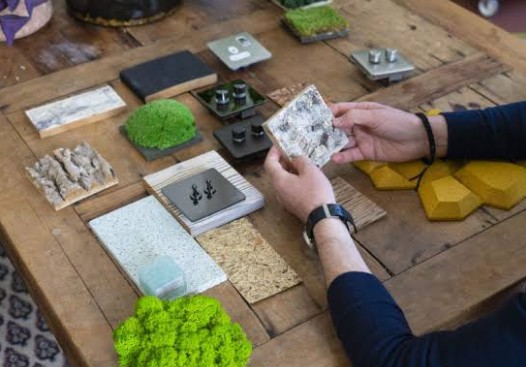
Design can be a very visual thing. You might find yourself thinking in terms of shapes and colors, and presenting your ideas in a way that’s highly visual, too.
But when your designs become a reality, they’ll be judged according to other factors, including durability and energy performance. If you want your creations to be good for purposes other than stage dressing, in other words, you’ll need to take material selection seriously.
But exactly how should this be done?
Look beyond surface-level aesthetics
The differences between the various materials you choose from will mostly reside in the way they look and perform. A surface that’s made from sheet materials, like drywall board, will look different than one that’s made from solid timber.
Visual concerns might be further broken down. You might think about hues, values, and chromaticity, in the same way as a landscape artist. Textures, and surface reflectivity, matter too.
But if the material you’re choosing can’t last for years, and is vulnerable to things like airborne moisture, then you might find that the visual advantages dissipate very quickly. A painted surface that’s covered in mould is rarely attractive.
Make performance part of the design brief
Different spaces will impose different requirements and challenges. You’ll want to emphasize these in your design brief. Exactly what might the humidity be like in this space? How regularly will elements of the environment need to be serviced, or replaced? Modularity, and ease of maintenance, might be major considerations.
The design choices you make might end up reducing the ongoing costs associated with running the building. If you can simply pull away a panel to access cables and pipes, then you’ll obviate the need for more destructive work.
Material supply-chain transparency is becoming a design priority
The way that materials are sourced is coming under increased scrutiny, as environmental guidelines tighten. A panel that’s being shipped around the world before arriving on site is one that’s necessarily more environmentally destructive (all other things being equal) than one that’s sourced locally.
Of course, other things are rarely equal. You’ll need to form a comprehensive overview of the raw materials and methods you’re using, and the suppliers with whom you’re cooperating.
Use material data to make better creative decisions
You might despair at the idea that your creativity is being hindered by mundane concerns around performance, especially later in the process. But it’s possible to eliminate stress by narrowing your options as early as possible. You can compare materials with the help of Environmental Product Declarations (EPDs), along with other information. Once you know that the material is fit for purpose, other concerns, like aesthetics, can come into play.


Why Designers Need to Prioritize Quality Materials Alongside Aesthetics

Plan the Perfect Ibiza Padel Trip for Sports Lovers

The Tortoise Wins Again: When AI Coding Tools Make Developers Slower

Thumb Spica Splint: Uses, Benefits and Buying Guide

How To Get Poki Unblocked: Safe Options VS Risky Options

What Are Icons In Geometry Dash? How To Unlock And Customize Them

From Single Drones to Coordinated Teams: How Swarm Autonomy Is Changing Uncrewed Operations

Essential Residential Roofing Practices for Lasting Home Protection

Best Boneless Sofas 2026: Cloud Comfort & No-Assembly Picks

Why Blackjack Is Still One of the World’s Favorite Casino Games

Suncoast, Sun City & Montecasino: SA's Big Casinos vs Playing Online (2026)

Inside the Multi-Million Dollar Gaming Economy: How Streamers and Digital Assets Drive the Virtual Currency Boom

Subscription fatigue: a simple review and PennyGuard

What Happens After an Arrest? A Guide from Criminal Lawyers in Bankstown

Walking the Legal End of the Estate Executor Journey in Queensland

The Mental Game in Cricket: Key Strategies for Maintaining Focus and High Performance Under Pressure


Don Toliver Net Worth: Height, Age, Real Name, Career & More
Don Toliver is an American rapper and singer best known for his RIAA platinum certified songs, No Idea and After...


Finesse2tymes Net Worth: Height, Age, Real Name & Career
Finesse2tymes is an American rapper and recording artist. He is mainly recognized for his thunderous voice and motivational lyrics in...


Sugarhill Ddot Net Worth: Height, Age, Real Name & Career
Sugarhill Ddot is an American hip-hop recording artist best known for his songs, Real Facts and I Wanna Love You....


GloRilla Net Worth: Height, Age, Bio, Real Name & Career
GloRilla is an American rapper and hip-hop recording artist from Memphis. She is best known for her popular singles, “Westside...


Destroy Lonely Net Worth: Height, Age, Real Name & Career
Destroy Lonely is an American rapper best known for his 2022 mixtape, No Stylist. He is currently signed to rapper...
-
Rappers2 years ago
GloRilla Net Worth: Height, Age, Bio, Real Name & Career
-

 News3 years ago
Trash To Treasure: Maximizing Space And Efficiency Through Junk Removal
-

 Businessman3 years ago
7 Proven Lead Generation Strategies To Implement in 2023
-
 Businessman2 years ago
Brandon Fugal Net Worth: How Rich is Skinwalker Ranch Owner?
-

 Rappers4 years ago
BigXthaPlug Net Worth: Height, Age, Real Name & Career
-

 TV Stars2 years ago
Kaleb Cooper Net Worth: How Rich is the TV Star Actually?
-

 Internet Stars4 years ago
Mufti Menk Net Worth: How Rich is the Islamic Speaker Actually?
-

 TV Stars2 years ago
Carla Diab Net Worth: How Rich is the TV Star Actually in 2025?
You must be logged in to post a comment Login