
Fashion
Shapewear vs Waist Trainers: Key Differences

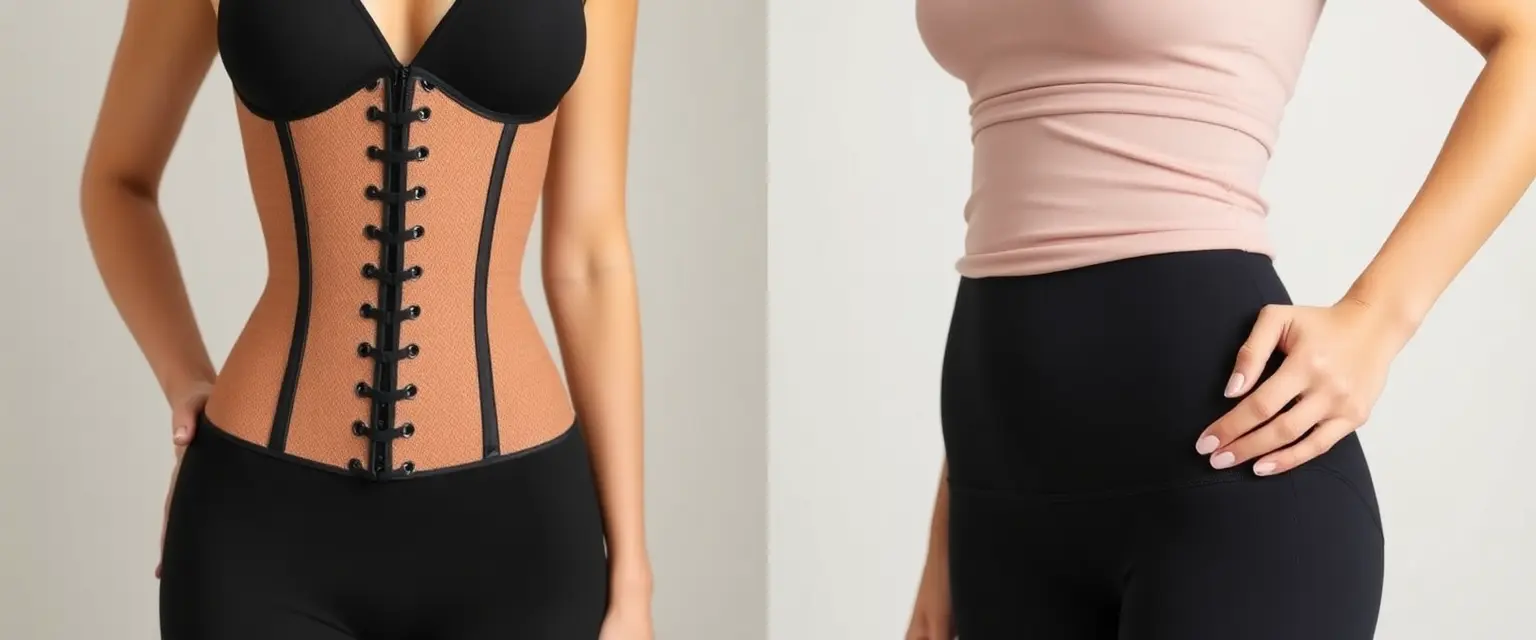
If you spend even five minutes scrolling through Instagram or shopping for Christmas clothes you’ll see the two words ‘shapewear’ and ‘waist trainers’ all over the place. At first sight they appear to be doing exactly the same thing. They both promise a smoother shape, a smacked waist and a more streamlined look under your clothes.
Here’s the real deal actually. They’re in the same corner of your underwear drawer, they’re completely different garments in terms of character, build and purpose. Getting the wrong one on can leave you feeling quite constricted, uncomfortable and with all sorts of odd lines under your dress.
Whether you’re out there hunting for a supportive bra online or you’re trying to work out which of the various sculpting pieces actually warrants a place in your wardrobe, it’s absolutely vital that you know the difference between shapewear and waist trainers. Let’s get the actual differences between shapewear and waist trainers laid out for you, without all the confusing terminology and internet nonsense.
1. The Core Purpose: Smoothing vs Cinching
The biggest difference comes down to what each piece is actually built to do once you put it on.
Shapewear is all about smoothing, evening out and gently contouring your natural lines under your clothes. It’s an invisible base layer which stops the fabric you’re wearing from showing any of the ‘gaps’ or ‘seams’ or ‘rolls’ that can be so apparent. It works with your natural shape rather than trying to turn your shape into something completely different.
Waist trainers on the other hand are designed to pull in your waist. They apply a very focused, very intense amount of pressure around the waist and ribs to create a very pronounced hourglass. They have absolutely no interest in smoothing your hips, your thighs or your back at all. Their sole purpose is to make your waist look considerably smaller whilst you’re wearing them.
2. Design, Structure, and Materials
If you hold both in your hands, you’ll immediately feel the difference in how they’re made.
Modern shapewear is all about stretchy, flexible fabric blends (nylon, spandex, microfibre, Lycra etc) and the majority of styles have no wires, no hooks, no stiff panels at all. They’re all about smart knitting and targeted compression zones to gently hug your body. You can find them in an enormous range of silhouettes from high waisted shorts and bodysuits through to saree petticoats.
Waist trainers look and feel a hell of a lot more like a modern day corset. They’re constructed from quite thick, rigid materials (latex, neoprene, heavy power mesh etc) and will invariably have some form of flexible steel boning or plastic ribs within the fabric. Rather than just putting them on like any other piece of clothing you simply wrap them around your waist and secure them with multiple rows of hook and eye or a robust front zip.
3. Comfort and Everyday Wearability
Let’s be honest, yaar. Nobody wants to spend a six-hour wedding reception or a busy workday feeling like they can’t take a full breath or enjoy a proper meal.
Shapewear is stretchy and breathable so it moves with your body whether you’re sitting, walking or dancing. You can quite easily wear a light or medium compression piece for the entire duration of an office shift or all day at an event and not be counting the minutes until you get home.
Waist trainers are a different ball game altogether. The rigidity of the boning and the tight compression restrict movement in the torso, limiting both your ability to bend and your ability to sit. The thick layers of latex or neoprene also tend to trap the heat and you can easily end up quite sweaty in the summer. The consensus from most experts is that you should only wear a waist trainer for short periods of time and take it off straight away if you start to feel breathless or pinched at all.
4. Visibility Under Clothes
If you’re after some stealth styling in a bodycon dress, a satin slip or a thin georgette saree then of course you’re going to be very much aware of visibility.
Good shapewear is practically invisible. With laser-cut edges, flat seams, and smooth fabrics, it disappears underneath even the thinnest outfits.
Waist trainers are of course much bulkier. All those rows of metal hooks, front zips and thick edges can easily show through thin or lightweight fabrics. If you’re wearing one out then it’s generally best to wear it under a structured outfit, one with a thick lining, a stiff corseted top or some kind of layered ethnic wear where the bulk is going to be hidden anyway.
5. Clearing Up the Long-Term Results Myth
There is a lot of noisy marketing online claiming that waist trainers permanently shrink your waist or burn belly fat while you work out. Let’s keep it 100 per cent real: neither garment permanently changes your body shape or melts fat.
Sweating in a bucket under a thick trainer will only get you temporary water loss, not actual fat loss. Both pieces will give you temporary visual sculpting whilst they’re on your body. Once you take them off, your natural shape is back again. That’s the key thing to understand so you’re not buying into all the overblown promises and you can make an informed decision as to what actually feels good on your body.
Quick Comparison: At a Glance
| Main Goal | Main Goal
Full-body or targeted smoothing |
Main Goal
Aggressive waist cinching |
| Structure | Structure
Soft, stretchy, seamless fabric |
Structure
Rigid panels, boning, hook closures |
| Comfort Level | Comfort Level
Breathable for all-day wear |
Comfort Level
Firm and restrictive for short wear |
| Best Outfits | Best Outfits
Bodycon dresses, sarees, trousers |
Best Outfits
Structured gowns, layered looks |
Which One Should You Actually Pick?
At the end of the day it’s all down to your outfit and how long you’re going to wear it:
- Go for shapewear if you want all-over smoothness under clingy dresses, sarees, or workwear, and value breathing room and all-day comfort.
- ShapeDoll
- Go for a waist trainer if you’re wearing a structured, lined outfit for a few hours and specifically want dramatic hourglass definition around your waist.
- ShapeDoll
Always stick to your true size on the brand’s measurement chart rather than sizing down, listen to your body, and pick the piece that lets you move through your day with total ease.


Where Can You Bet on the NFL From Singapore?

Shapewear vs Waist Trainers: Key Differences

Instant Swap Services vs. Centralized Exchanges: Which One Fits You?

How to Develop a Winning EUR/USD Forex Strategy

Liverpool’s Attack Shows What Man United Are Missing

Working Up a Home Cover When You Only Have the Finished Song

Romantic All-Inclusive Holidays for Honeymooners, Calm Island Getaways, Unhurried Escapes

Thinking About a Debt Management Plan? Three Questions to Ask in Writing First

Best Boneless Sofas 2026: Cloud Comfort & No-Assembly Picks

Your Home is Not Cash: How to Find Your Real Walk-away Net Worth

Your First Gum Measurements: Making Sense Of The Numbers

How Digital Scans Are Replacing Goopy Impressions In Modern Orthodontics

How To Design Useful Empty States For Mobile Apps

California Helmet Law: Rules Every Motorcycle Rider Should Know

Game Music and Sound Design: How Audio Shapes Online Play

Thumb Spica Splint: Uses, Benefits and Buying Guide


Don Toliver Net Worth: Height, Age, Real Name, Career & More
Don Toliver is an American rapper and singer best known for his RIAA platinum certified songs, No Idea and After...


Finesse2tymes Net Worth: Height, Age, Real Name & Career
Finesse2tymes is an American rapper and recording artist. He is mainly recognized for his thunderous voice and motivational lyrics in...


Sugarhill Ddot Net Worth: Height, Age, Real Name & Career
Sugarhill Ddot is an American hip-hop recording artist best known for his songs, Real Facts and I Wanna Love You....


GloRilla Net Worth: Height, Age, Bio, Real Name & Career
GloRilla is an American rapper and hip-hop recording artist from Memphis. She is best known for her popular singles, “Westside...


Destroy Lonely Net Worth: Height, Age, Real Name & Career
Destroy Lonely is an American rapper best known for his 2022 mixtape, No Stylist. He is currently signed to rapper...
-
Rappers2 years ago
GloRilla Net Worth: Height, Age, Bio, Real Name & Career
-

 News3 years ago
Trash To Treasure: Maximizing Space And Efficiency Through Junk Removal
-

 Businessman3 years ago
7 Proven Lead Generation Strategies To Implement in 2023
-
 Businessman2 years ago
Brandon Fugal Net Worth: How Rich is Skinwalker Ranch Owner?
-

 Rappers4 years ago
BigXthaPlug Net Worth: Height, Age, Real Name & Career
-

 TV Stars2 years ago
Kaleb Cooper Net Worth: How Rich is the TV Star Actually?
-

 Internet Stars4 years ago
Mufti Menk Net Worth: How Rich is the Islamic Speaker Actually?
-

 TV Stars2 years ago
Carla Diab Net Worth: How Rich is the TV Star Actually in 2025?
You must be logged in to post a comment Login