
News
How Integrated Bedside Storage Can Eliminate the Need for Traditional Nightstands

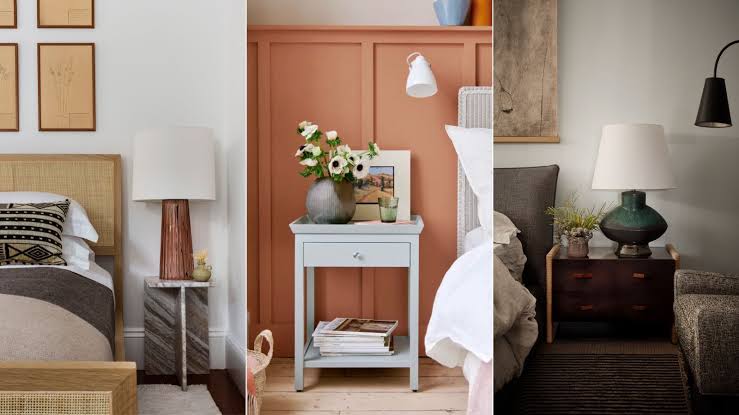
Bedroom furniture has traditionally followed a familiar arrangement: a bed positioned between two nightstands, each providing space for lamps, alarm clocks, books, and other everyday essentials. While this setup remains practical, changing preferences for minimalist interiors, compact bedrooms, and multifunctional furniture are encouraging homeowners to reconsider the need for separate bedside tables. Integrated storage offers an alternative by incorporating useful compartments, shelving, and display surfaces directly into the bed frame.
This approach combines two important furniture functions without requiring additional floor space. Homeowners exploring bed frames with shelves can find designs that provide convenient bedside organization while creating a more streamlined bedroom layout. Depending on the configuration, integrated storage can accommodate reading materials, personal accessories, charging devices, and decorative items that would otherwise occupy traditional nightstands.
Why Integrated Bedside Storage Is Gaining Attention
Bedroom layouts are becoming increasingly focused on efficient space utilization. Smaller homes, apartments, and multipurpose rooms often require furniture that performs several functions without making the environment feel crowded.
Traditional nightstands can consume valuable floor space, particularly when positioned alongside larger bed frames. Integrated shelving addresses this issue by moving storage into an area that is already occupied by the bed.
The result can be a cleaner arrangement with fewer separate furniture pieces. It also creates opportunities for more consistent design because the storage elements share the same materials, finishes, and proportions as the bed itself.
Different Types of Integrated Bedside Storage
Not every storage bed uses the same configuration. Understanding the available designs helps homeowners choose an arrangement that suits their routines.
Built-In Headboard Shelving
One of the most common approaches is a headboard with integrated shelves or recessed compartments. These spaces can hold books, reading glasses, small decorative objects, and personal electronics.
Some designs include open shelving on either side of the mattress, effectively replacing the surfaces traditionally provided by nightstands. Others feature enclosed compartments that keep smaller belongings out of sight.
Headboard shelving is particularly useful in bedrooms where there is limited room between the bed and adjoining walls.
Bed Frames With Side Storage Compartments
Certain bed designs incorporate narrow shelves or storage ledges along the sides of the frame. These provide convenient access to frequently used items without requiring separate tables.
Side compartments can be useful for keeping phones, remote controls, and reading materials within reach. However, their dimensions should be checked carefully to ensure they accommodate the items a homeowner actually uses.
Storage Beds With Drawers and Additional Compartments
Some beds combine bedside shelving with larger storage features beneath the mattress. Drawers or lift-up storage platforms provide space for bedding, seasonal clothing, and other belongings.
Although under-bed storage does not directly replace a nightstand, combining it with integrated headboard compartments can reduce the overall number of furniture pieces needed in the bedroom.
Practical Benefits Beyond Saving Space
A More Organized Bedroom
Integrated storage gives everyday belongings designated locations. Rather than spreading books, chargers, and accessories across multiple surfaces, homeowners can organize them within a single furniture arrangement.
This can also simplify cleaning because fewer independent pieces create fewer narrow gaps where dust tends to collect.
Improved Visual Continuity
A bed with built-in storage creates a more unified appearance than a collection of unrelated furniture pieces. Matching finishes and coordinated proportions can help establish a consistent design throughout the sleeping area.
This is especially valuable in contemporary and minimalist bedrooms, where unnecessary visual elements can make a relatively small space feel crowded.
Convenient Access to Everyday Essentials
Bedside storage is most useful when it accommodates items people regularly reach for before sleeping or immediately after waking.
A well-designed compartment can keep reading glasses, books, charging accessories, and personal items accessible without requiring occupants to reach across the room.
Important Factors to Consider Before Buying
Integrated storage offers several advantages, but it is not automatically suitable for every bedroom.
Storage dimensions: Check shelf depth, height, and accessibility. Shallow compartments may not accommodate larger books or electronic devices.
Electrical access: If charging devices beside the bed is important, consider whether the design provides convenient access to power outlets or cable-routing openings. Built-in USB ports should also be checked for compatibility and placement.
Mattress and frame dimensions: Confirm that the bed fits the room while leaving enough clearance for movement and making the bed.
Structural quality: Shelves and compartments should feel stable and be designed to support their intended contents.
Maintenance: Open shelves require regular dusting, while enclosed compartments may offer a tidier appearance with less visible clutter.
Homeowners should also consider whether they genuinely need two bedside storage areas. Couples with different routines may prefer symmetrical shelving, while single occupants might find one integrated storage section sufficient.
Are Traditional Nightstands Still Necessary?
Not necessarily. Integrated shelving can replace nightstands when the bed provides adequate surface space, accessible storage, and convenient placement for essential items.
However, traditional nightstands remain useful for people who need larger surfaces for table lamps, water glasses, books, or multiple personal belongings. They can also be easier to reposition when bedroom layouts change.
The decision ultimately depends on available space and individual habits rather than a universal design rule.
Frequently Asked Questions
Can integrated bedside shelves hold lamps?
Yes, provided the shelves are appropriately sized and rated to support the lamp’s weight. Homeowners should check electrical access and ensure cords do not create hazards.
Are storage beds suitable for small bedrooms?
They can be particularly useful in compact rooms because they combine sleeping and storage functions while reducing the need for additional furniture.
Do integrated storage beds require special maintenance?
Generally, no. Routine dusting, checking drawer mechanisms, and following the manufacturer’s cleaning instructions are usually sufficient.
Rethinking the Modern Bedroom Layout
Integrated bedside storage reflects a broader shift toward furniture that combines multiple functions without compromising everyday comfort. By incorporating shelving and compartments into the bed frame, homeowners can reduce furniture clutter, improve organization, and make more efficient use of available floor space. Although traditional nightstands remain a practical option in many homes, integrated storage offers a worthwhile alternative for bedrooms where simplicity, accessibility, and efficient design are priorities.


How Integrated Bedside Storage Can Eliminate the Need for Traditional Nightstands

Why Face-to-Face Interaction Matters for Infant Communication Before First Words

Why Celebrities and Executives Choose Slim RFID Leather Wallets With Built-In Trackers

Where Can You Bet on the NFL From Singapore?

Shapewear vs Waist Trainers: Key Differences

Instant Swap Services vs. Centralized Exchanges: Which One Fits You?

How to Develop a Winning EUR/USD Forex Strategy

Liverpool’s Attack Shows What Man United Are Missing

Best Boneless Sofas 2026: Cloud Comfort & No-Assembly Picks

Your First Gum Measurements: Making Sense Of The Numbers

Your Home is Not Cash: How to Find Your Real Walk-away Net Worth

How Digital Scans Are Replacing Goopy Impressions In Modern Orthodontics

How To Design Useful Empty States For Mobile Apps

California Helmet Law: Rules Every Motorcycle Rider Should Know

Game Music and Sound Design: How Audio Shapes Online Play

Thumb Spica Splint: Uses, Benefits and Buying Guide


Don Toliver Net Worth: Height, Age, Real Name, Career & More
Don Toliver is an American rapper and singer best known for his RIAA platinum certified songs, No Idea and After...


Finesse2tymes Net Worth: Height, Age, Real Name & Career
Finesse2tymes is an American rapper and recording artist. He is mainly recognized for his thunderous voice and motivational lyrics in...


Sugarhill Ddot Net Worth: Height, Age, Real Name & Career
Sugarhill Ddot is an American hip-hop recording artist best known for his songs, Real Facts and I Wanna Love You....


GloRilla Net Worth: Height, Age, Bio, Real Name & Career
GloRilla is an American rapper and hip-hop recording artist from Memphis. She is best known for her popular singles, “Westside...


Destroy Lonely Net Worth: Height, Age, Real Name & Career
Destroy Lonely is an American rapper best known for his 2022 mixtape, No Stylist. He is currently signed to rapper...
-
Rappers2 years ago
GloRilla Net Worth: Height, Age, Bio, Real Name & Career
-

 News3 years ago
Trash To Treasure: Maximizing Space And Efficiency Through Junk Removal
-

 Businessman3 years ago
7 Proven Lead Generation Strategies To Implement in 2023
-
 Businessman2 years ago
Brandon Fugal Net Worth: How Rich is Skinwalker Ranch Owner?
-

 Rappers4 years ago
BigXthaPlug Net Worth: Height, Age, Real Name & Career
-

 TV Stars2 years ago
Kaleb Cooper Net Worth: How Rich is the TV Star Actually?
-

 Internet Stars4 years ago
Mufti Menk Net Worth: How Rich is the Islamic Speaker Actually?
-

 TV Stars2 years ago
Carla Diab Net Worth: How Rich is the TV Star Actually in 2025?
You must be logged in to post a comment Login