
News
Cleaning Large Parking Areas and Loading Zones: Practical Approaches to Removing Accumulated Surface Debris

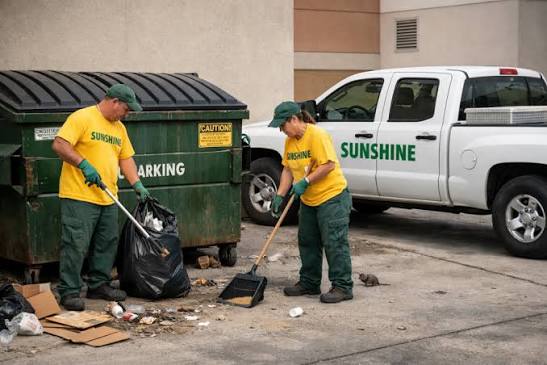
Large parking areas and loading zones experience a steady accumulation of dirt, sand, leaves, tire residue, packaging materials, and other debris. Unlike smaller paved surfaces, these spaces receive continuous vehicle traffic, making routine cleaning both a maintenance requirement and an operational challenge. Neglected surfaces can create drainage problems, obscure pavement markings, and contribute to slippery conditions.
A well-planned cleaning process combines regular debris removal, appropriate washing methods, and attention to high-traffic areas. Equipment such as a pressure washer water broom can help distribute cleaning water across wider paved sections, making it easier to address accumulated grime without relying entirely on narrow, concentrated spray patterns.
1. Understand Where Debris Accumulates in Large Commercial Parking Areas
Not every section of a parking facility collects debris at the same rate. Vehicle movement, wind direction, pavement slope, and nearby landscaping all influence where material settles.
Common problem areas include:
- Parking stall edges: Sand, leaves, and small pieces of litter collect along curbs and wheel stops.
- Loading dock approaches: Cardboard fragments, pallet debris, dust, and packaging residue accumulate around delivery routes.
- Drive-through lanes: Tire deposits and loose sediment build up under repeated vehicle movement.
- Drainage channels: Organic material and sediment can restrict water movement, particularly after heavy rainfall.
- Corners and perimeter strips: These locations often receive less routine cleaning because sweeping equipment cannot reach them easily.
Identifying these patterns helps facility managers prioritize cleaning rather than treating every square foot equally.
2. Why Consistent Surface Cleaning Matters Beyond Appearance
A clean parking lot is not simply a matter of presentation. Surface maintenance affects drainage, pedestrian movement, pavement condition, and the overall usability of commercial property.
Accumulated sediment can migrate into storm drains during rainfall. Leaves and organic matter may retain moisture, while loose gravel can become a hazard for pedestrians and moving equipment.
Loading zones deserve particular attention because employees, delivery drivers, forklifts, and trucks frequently operate in the same confined areas. Keeping these surfaces clear improves visibility around operating spaces and makes it easier to identify damaged pavement, spills, and other maintenance concerns.
A consistent cleaning schedule also prevents minor accumulation from becoming a more difficult restoration project.
3. Choose the Right Cleaning Method for Different Types of Debris
The most effective approach depends on what has accumulated and how firmly it is attached to the pavement. Using water for every cleaning task is inefficient, particularly when dry material can be removed mechanically.
Dry sweeping works well for loose dust, leaves, sand, and packaging fragments. Mechanical sweepers are useful across extensive parking areas because they can cover broad routes without consuming large amounts of water.
Pressure washing is better suited to adhered dirt, mud, tire marks, and certain surface residues. Water pressure helps dislodge material that ordinary sweeping cannot remove.
Water broom attachments provide another option for broad paved surfaces. Multiple spray outlets distribute water across a wider cleaning path, helping operators rinse loosened debris and reduce the need to move a narrow spray wand repeatedly across the same area.
For many commercial facilities, combining these methods produces better results than relying on a single cleaning technique.
4. How a Pressure Washer Water Broom Helps Clean Wider Pavement Sections
A pressure washer water broom uses multiple nozzles arranged across a horizontal cleaning head. Instead of directing the entire water stream through one concentrated outlet, it distributes the flow across several points.
This design is particularly useful when rinsing large paved sections, including:
- Open parking bays and circulation lanes.
- Concrete approaches to loading docks.
- Wide pedestrian walkways.
- Garage entrances and service areas.
- Outdoor equipment staging surfaces.
The wider spray pattern can reduce repetitive side-to-side wand movement and help maintain a more consistent rinsing path.
However, performance depends on pressure washer compatibility, available water flow, nozzle configuration, and the condition of the surface. Operators should check the attachment’s specifications before connecting it to their equipment.
A water broom is not a replacement for a mechanical sweeper or a surface cleaner in every situation. Its greatest value is often in the rinsing stage, after loose material and larger debris have already been removed.
5. Develop a Cleaning Sequence That Minimizes Disruption to Daily Operations
Commercial parking facilities cannot always close completely for maintenance. Cleaning teams must work around deliveries, employee parking, customer traffic, and scheduled vehicle movements.
A practical sequence begins with dividing the property into manageable sections.
Step 1: Inspect the area. Identify heavy debris, oil or chemical spills, blocked drains, damaged pavement, and areas requiring special treatment.
Step 2: Remove loose materials. Use sweeping equipment, blowers where appropriate, and manual collection to remove leaves, cardboard, gravel, and other dry debris.
Step 3: Address localized contamination. Treat suitable stains using cleaning products approved for the surface and environmental requirements. Oil and chemical spills may require dedicated containment and cleanup procedures.
Step 4: Wash the pavement. Apply an appropriate pressure washing method, working systematically from one section toward the designated collection or drainage area.
Step 5: Inspect the finished surface. Check for remaining sediment, standing water, blocked drains, and missed sections before reopening the area.
Working in sections makes it easier to maintain traffic separation and document completed cleaning.
6. Pressure Washing Versus Sweeping: Which Approach Should Facility Managers Use?
Choosing between sweeping and pressure washing depends on the type of contamination, available equipment, and cleaning objective.
| Cleaning requirement | Mechanical sweeping | Pressure washing |
| Loose leaves and litter | Highly suitable | Generally unnecessary |
| Dry sand and gravel | Highly suitable | Less efficient alone |
| Adhered mud | Limited effectiveness | More suitable |
| Tire residue | Limited effectiveness | Can help remove it |
| Fine surface sediment | Effective for loose material | Useful for rinsing |
| Routine maintenance | Excellent | Best used selectively |
For expansive parking lots, mechanical sweeping is generally the more efficient first step. Pressure washing should follow where surface contamination remains.
This combination reduces unnecessary water consumption and prevents loose debris from being pushed into drainage systems.
7. Manage Water Runoff and Protect Nearby Drainage Infrastructure
One of the most overlooked aspects of commercial pavement cleaning is where the wash water goes.
Pressure washing can move sediment, detergent residue, oil traces, and other contaminants toward storm drains. Unlike wastewater entering a sanitary sewer, stormwater may discharge into nearby waterways without conventional wastewater treatment.
Before beginning work, identify nearby storm drains and determine the property’s approved wastewater management procedures.
Good practices include:
- Collecting loose debris before introducing water.
- Using appropriate drain protection and containment measures.
- Avoiding the discharge of contaminated wash water into storm drains.
- Selecting cleaning products suitable for the application and disposal requirements.
- Following local stormwater and wastewater regulations.
The U.S. Environmental Protection Agency provides useful information on stormwater management and pollution prevention, including considerations relevant to commercial and industrial properties.
8. Common Cleaning Mistakes That Increase Maintenance Costs
Even well-equipped maintenance teams can create avoidable problems through poor cleaning practices.
Washing before sweeping: Applying water to loose dirt can create muddy deposits that are harder to collect.
Using excessive pressure: Aggressive settings may damage painted markings, deteriorating concrete, sealants, or asphalt surfaces.
Ignoring drainage patterns: Washing debris toward a storm drain can transfer a pavement problem into an environmental compliance issue.
Cleaning around active vehicle traffic: Poorly controlled work zones expose operators and drivers to unnecessary risks.
Using incompatible attachments: A pressure washer accessory must match the machine’s operating pressure and flow requirements. Compatibility should never be assumed.
Establishing standard procedures and training operators to recognize these issues helps maintain consistent results.
9. Practical Maintenance Tips for Parking Lots and Loading Zones
The most reliable cleaning programs are based on actual site conditions rather than arbitrary schedules.
Facility managers can use the following practices:
- Inspect high-traffic loading areas daily for loose packaging, gravel, and spills.
- Sweep main parking lanes regularly, increasing frequency during windy or dry seasons.
- Schedule deeper washing when visible grime begins affecting pavement appearance or functionality.
- Inspect drains before and after major cleaning operations.
- Maintain separate procedures for ordinary dirt and hazardous spills.
- Keep records of cleaning dates, problem areas, and recurring contamination sources.
- Coordinate maintenance with delivery schedules and periods of lower vehicle activity.
These steps make cleaning more predictable and help maintenance teams identify recurring problems before they become expensive repairs.
10. Frequently Asked Questions About Cleaning Large Paved Areas
How often should a commercial parking lot be cleaned?
The frequency depends on traffic volume, surrounding landscaping, weather, and the type of business. Busy retail and distribution facilities may require daily spot cleaning and regular mechanical sweeping, with deeper washing scheduled as needed.
Can a pressure washer water broom replace a mechanical sweeper?
No. A water broom is primarily designed to distribute water across a wider surface for rinsing. Mechanical sweepers remain more effective for collecting dry leaves, gravel, litter, and other loose debris.
Is pressure washing suitable for every parking surface?
Not necessarily. Concrete, asphalt, painted markings, and sealed surfaces respond differently to pressure and cleaning methods. Operators should follow surface-specific recommendations and test an inconspicuous area when appropriate.
How can facilities prevent wash water from entering storm drains?
Remove loose debris first, identify drainage routes, and use suitable containment or recovery methods. Always follow applicable local wastewater and stormwater requirements.
What should be cleaned first: parking spaces or loading zones?
Prioritize loading zones when they contain active operational hazards, spills, or significant debris. Otherwise, establish a route that allows cleaning crews to work through both areas systematically while minimizing disruption.
Building a More Reliable Commercial Surface Cleaning Program
Maintaining large parking areas and loading zones requires more than occasional washing. Effective programs begin with understanding where debris accumulates, selecting appropriate cleaning methods, and establishing a repeatable sequence that accounts for traffic and drainage.
Mechanical sweeping, targeted pressure washing, and wider rinsing attachments each serve different purposes. When used together, they help maintenance teams manage surface contamination without introducing unnecessary water use, operational disruption, or environmental risks.
The strongest approach is preventive rather than reactive: inspect frequently, remove debris before it spreads, and adapt cleaning schedules to the actual demands of the property. Over time, this disciplined approach supports safer, more functional paved spaces and more predictable facility maintenance costs.
The article includes one contextual backlink using the exact primary keyword, an EPA authority reference, a comparison table, practical cleaning procedures, and five FAQs.


Cleaning Large Parking Areas and Loading Zones: Practical Approaches to Removing Accumulated Surface Debris

Mass USDT Payouts for Affiliate Programs and Creator Platforms

Comparing Online Tongits and Pusoy: Understanding Two Popular Filipino Card Games

Techniques to Study Smarter and Retain Information Longer

Live Dealer vs. RNG Table Games: Which Offers a Better Experience?

How Streaming Changed the Way Fans Watch Live Sports

How Celebrities Cash Out Crypto: Why It Can Beat Waiting on a Bank

5 Social Casino Brands to Know for Free Play

Best Boneless Sofas 2026: Cloud Comfort & No-Assembly Picks

Your Home is Not Cash: How to Find Your Real Walk-away Net Worth

How To Design Useful Empty States For Mobile Apps

How Digital Scans Are Replacing Goopy Impressions In Modern Orthodontics

California Helmet Law: Rules Every Motorcycle Rider Should Know

Thumb Spica Splint: Uses, Benefits and Buying Guide

The Tortoise Wins Again: When AI Coding Tools Make Developers Slower

Liverpool’s Attack Shows What Man United Are Missing


Don Toliver Net Worth: Height, Age, Real Name, Career & More
Don Toliver is an American rapper and singer best known for his RIAA platinum certified songs, No Idea and After...


Finesse2tymes Net Worth: Height, Age, Real Name & Career
Finesse2tymes is an American rapper and recording artist. He is mainly recognized for his thunderous voice and motivational lyrics in...


Sugarhill Ddot Net Worth: Height, Age, Real Name & Career
Sugarhill Ddot is an American hip-hop recording artist best known for his songs, Real Facts and I Wanna Love You....


GloRilla Net Worth: Height, Age, Bio, Real Name & Career
GloRilla is an American rapper and hip-hop recording artist from Memphis. She is best known for her popular singles, “Westside...


Destroy Lonely Net Worth: Height, Age, Real Name & Career
Destroy Lonely is an American rapper best known for his 2022 mixtape, No Stylist. He is currently signed to rapper...
-
Rappers2 years ago
GloRilla Net Worth: Height, Age, Bio, Real Name & Career
-
 News3 years ago
Trash To Treasure: Maximizing Space And Efficiency Through Junk Removal
-

 Businessman3 years ago
7 Proven Lead Generation Strategies To Implement in 2023
-
 Businessman2 years ago
Brandon Fugal Net Worth: How Rich is Skinwalker Ranch Owner?
-

 Rappers4 years ago
BigXthaPlug Net Worth: Height, Age, Real Name & Career
-

 TV Stars2 years ago
Kaleb Cooper Net Worth: How Rich is the TV Star Actually?
-

 Internet Stars4 years ago
Mufti Menk Net Worth: How Rich is the Islamic Speaker Actually?
-

 TV Stars2 years ago
Carla Diab Net Worth: How Rich is the TV Star Actually in 2025?
You must be logged in to post a comment Login