
Law
A Guide to Warrants, Arrests and the Criminal Process in Arizona

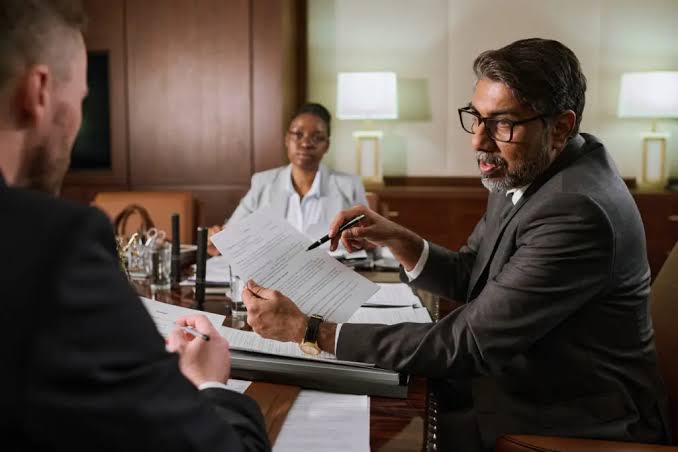
Finding out there is a possibility that there is a warrant for your arrest is the kind of thing that can be overwhelming and stressful. Maybe you heard it from a friend, saw something online, or a family member mentioned that police stopped by your home looking to arrest you. Whatever the situation, that moment of uncertainty about whether the warrant is real, not knowing if it’s true, what it is for, or what happens next, can be genuinely unsettling.
It is understandable to feel unsure about the right action to take: whether to ignore it or hand yourself over without understanding your legal options. Neither option feels ideal, which is often because there’s another approach available that many people aren’t aware of. At this point, it may be helpful to speak with a Criminal Defense Attorney in Tempe, since understanding the legal process can help you better understand what to expect.
What Should I Do If I Have a Warrant for My Arrest?
The initial reaction for a lot of people is to panic or avoid addressing the situation. Unfortunately, ignoring a warrant does not make it go away and it can lead to additional legal complications later.
Here are a few general points to keep in mind:
Verify that the warrant exists. Warrants can sometimes be confused with other court notices or legal documents, or court records or information may not be current. It helps to verify the information before making assumptions about your situation.
Avoid discussing the details of your case with law enforcement on your own. It can be tempting to provide a statement about the case right away, but it’s often better to carefully consider what information you provide and when.
Consider the timing. Depending on your specific situation, it may be better to arrange to voluntarily surrender rather than be arrested unexpectedly.
Address the warrant as soon as reasonably possible. The longer a warrant remains unresolved, the more it can affect employment, travel, or other legal matters.
Every situation is different and how someone chooses to handle a warrant often depends on the specific charge and circumstances involved.
Beware of Warrant Scams
Some people may get a call from someone claiming to be a law enforcement officer or court official who says they have a warrant for your arrest. These callers may even pressure or threaten you and try to convince you to purchase gift cards or send money by wire transfer or cryptocurrency. In reality, if a real officer or court needed to contact you about a warrant, they would not do it this way. If you ever get a call, text, or email like this, do not give out any personal information and do not follow their instructions. You can go on your own phone and look up your local court clerk or sheriff’s office number and contact the office directly to verify the information.
How Do Arrest Warrants Come to Be?
Warrants do not happen by chance; rather, there is a legal process involved. In a broad sense, a law enforcement officer or investigator will present evidence to a judge or magistrate showing there is probable cause to arrest an individual for having committed a crime. If the evidence meets the probable cause standard, an arrest warrant may then be issued.
The various kinds of warrants include the following:
- Arrest warrants, issued when probable cause exists for a specific criminal offense.
- Bench warrants, which may be issued when someone fails to appear in court or violates a court order or court-imposed conditions.
- Search warrants, which are different from arrest warrants. They authorize law enforcement to search a person, property or location rather than arrest someone.
Understanding which type of warrant applies to your situation can help determine what to expect next, which is one reason why this stage of the process can be difficult to understand without legal guidance.
What Happens If the Police Ask to Speak With You
It’s understandable that people who are not accused of a crime feel nervous and intimidated when being questioned by law enforcement officers, whether they are contacted by law enforcement in person by phone or through a visit to your home. Even if you have done nothing wrong, not knowing why law enforcement wants to speak with you or what the officer wants to ask about can be stressful and confusing. You might be tempted to answer questions immediately to get the conversation over with; however, it is often better to carefully consider your response before answering questions. An attorney can help you understand the situation and guide you on how to respond.
Understanding Arizona’s Criminal Legal Process
From the moment charges are filed to the final resolution of a case, the criminal process generally follows a series of stages:
- Arrest and booking – a person is taken into custody and booked on criminal charges.
- Arraignment – the defendant is informed of the charges and enters a plea.
- Pretrial process – may include plea negotiations, pretrial motions and other court proceedings.
- Plea negotiations or trial – many cases are resolved through plea agreements; some cases proceed to trial.
- Sentencing – the court imposes a sentence if there is a conviction or guilty plea.
All these steps may involve multiple deadlines, court appearances and paperwork, which can make the process difficult to navigate without understanding the steps involved.
Key Takeaways
Facing a warrant, an arrest, or uncertainty about the criminal justice process can make Arizona’s criminal justice system stressful, especially when you’re unsure what to do next. Understanding how the process works, from when warrants are issued to police questioning, court procedures, and other legal processes, will help you better understand what to expect. Each case is different and can depend on the specific facts and circumstances of the case.
Disclaimer
This content is provided for educational and informational purposes only and should not be taken as legal advice. Criminal laws and procedures can vary depending on the specific facts of each case and applicable Arizona law. If you have questions about a warrant, an arrest, or your legal rights, speaking with an experienced Criminal Defense Lawyer in Tempe can help guide you based on your specific situation.


The Evolution of Test Cricket: Adapting the Longest Format to the Modern Era

Data and Analytics in Cricket: How Advanced Stats Are Shaping Match Predictions

From Local Tournaments to Global Franchises: The Rise and Impact of T20 Leagues

Mastering the Pitch: Understanding How Surface Conditions and Pitch Reading Impact Match Outcomes

The Mental Game in Cricket: Key Strategies for Maintaining Focus and High Performance Under Pressure

Iconic Cricket Rivalries and Historic Moments That Reshaped International Sports

The Foundations of Cricket: Core Rules and Mechanics

Planning Executive Hospitality and Business Gatherings on Dubai’s Waters

Mexico City museums, parks and food markets: a culture-first itinerary

Online Gaming and Comedy Gold: Kevin Hart Takes to the (Digital) Stage

Top 6 AI Document Processing Platforms for Enterprise Workflow Automation

How Bigger Match Payouts Actually Change FC 27 Weekend Prep

How an Edit Stays Useful After the Face Paste Stops Impressing Anyone

ADA Signage: What Every Business Should Know About Interior Signs

10 Tools To Build Visibility in AI-Driven Answers in 2026

What Is Maxim88 Singapore? Complete Brand Overview (2026)


Don Toliver Net Worth: Height, Age, Real Name, Career & More
Don Toliver is an American rapper and singer best known for his RIAA platinum certified songs, No Idea and After...


Finesse2tymes Net Worth: Height, Age, Real Name & Career
Finesse2tymes is an American rapper and recording artist. He is mainly recognized for his thunderous voice and motivational lyrics in...


Sugarhill Ddot Net Worth: Height, Age, Real Name & Career
Sugarhill Ddot is an American hip-hop recording artist best known for his songs, Real Facts and I Wanna Love You....


GloRilla Net Worth: Height, Age, Bio, Real Name & Career
GloRilla is an American rapper and hip-hop recording artist from Memphis. She is best known for her popular singles, “Westside...


Destroy Lonely Net Worth: Height, Age, Real Name & Career
Destroy Lonely is an American rapper best known for his 2022 mixtape, No Stylist. He is currently signed to rapper...
-
Rappers2 years ago
GloRilla Net Worth: Height, Age, Bio, Real Name & Career
-

 News2 years ago
Trash To Treasure: Maximizing Space And Efficiency Through Junk Removal
-

 Businessman3 years ago
7 Proven Lead Generation Strategies To Implement in 2023
-
 Businessman2 years ago
Brandon Fugal Net Worth: How Rich is Skinwalker Ranch Owner?
-

 Rappers4 years ago
BigXthaPlug Net Worth: Height, Age, Real Name & Career
-

 TV Stars2 years ago
Kaleb Cooper Net Worth: How Rich is the TV Star Actually?
-

 Internet Stars4 years ago
Mufti Menk Net Worth: How Rich is the Islamic Speaker Actually?
-

 TV Stars2 years ago
Carla Diab Net Worth: How Rich is the TV Star Actually in 2025?
You must be logged in to post a comment Login