
News
Screen Washing: An Essential Part of Exterior Home Maintenance

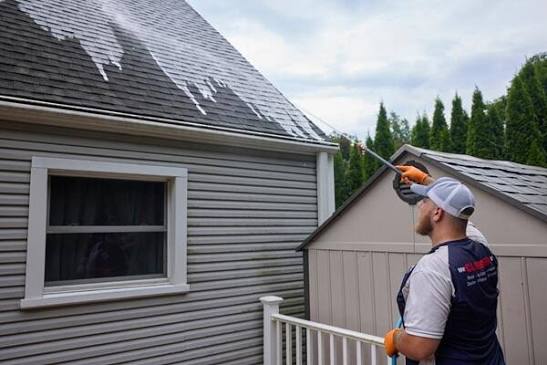
Window screens play an important role in maintaining a comfortable, clean, and functional home. They allow fresh air to circulate while helping keep insects, leaves, and larger airborne debris from entering indoor spaces. However, because screens remain exposed to outdoor conditions, they gradually collect dust, pollen, cobwebs, dirt, and other contaminants that can affect their appearance and performance. Over time, this buildup may restrict airflow, make windows look less attractive, and contribute to a dusty appearance around window frames and surrounding surfaces. Regular maintenance helps preserve the condition of window screens while supporting a cleaner and more inviting living environment. Screen washing is an effective way to remove accumulated debris, refresh exterior window areas, and help extend the useful life of suitable screening materials. Understanding the correct cleaning methods, common maintenance challenges, and benefits of routine care allows homeowners to keep their screens in better condition without causing unnecessary damage.
Understanding the Importance of Clean Window Screens
Window screens serve as a practical barrier between indoor living spaces and the outdoor environment. They are commonly manufactured from materials such as fiberglass mesh, aluminum, or other screening fabrics designed to provide airflow while preventing insects from entering through open windows. Because these materials contain small openings, dust and airborne particles can become trapped within the mesh over time. Pollen, spiderwebs, and environmental residue may also accumulate along the edges and within the screen frame. When screens become heavily soiled, they may appear discolored and allow less air to pass through freely. Cleaning them regularly helps remove these contaminants and makes it easier to inspect the mesh for tears, loose corners, damaged frames, and other problems. Maintaining clean screens also improves the overall appearance of windows, particularly when the glass, frames, and surrounding exterior surfaces are maintained together. Rather than waiting until dirt becomes deeply embedded, homeowners can include screen inspection and cleaning in their regular household maintenance routine.
How Dirty Screens Affect Indoor Comfort
Window screens are designed to support ventilation, but accumulated dirt and debris can interfere with their performance. Although a thin layer of dust may not completely block airflow, heavier contamination can reduce the effective open area of the mesh and make screens look dull or neglected. During seasons when pollen levels are high, screens may collect a noticeable coating of fine particles that can transfer to window frames or nearby surfaces when disturbed. Cobwebs and trapped leaves can also create an untidy appearance around windows. Regular cleaning helps remove this buildup and supports better airflow through properly maintained screens. However, window screens are not designed to eliminate all airborne particles, and ordinary screen cleaning should not be considered a substitute for appropriate indoor air filtration when additional filtration is needed. Homeowners who frequently open their windows may benefit from inspecting screens more often, particularly when their properties are surrounded by trees, gardens, or dusty outdoor areas. Keeping screens clean is a simple maintenance measure that can contribute to a fresher-feeling indoor environment while preserving the function of the window system.
Common Causes of Screen Dirt and Buildup
Window screens collect debris from several sources, and the amount of buildup depends on their location, surrounding environment, and exposure to the elements. Wind carries dust, pollen, soil particles, and other fine materials that can become lodged in the mesh. Trees and shrubs contribute leaves, small plant fragments, and seasonal pollen, while nearby insects may leave webs or residue around the frame. Rain can wash some loose contaminants away, but it may also leave mineral deposits or move dirt into corners where it becomes harder to remove. Homes located near busy roads, construction activity, or frequently used outdoor areas may experience faster accumulation of grime. Moisture and limited sunlight can also contribute to discoloration or organic growth in certain conditions. Understanding these sources helps homeowners choose a practical cleaning schedule instead of relying on a fixed interval that may not suit every property. A quick visual inspection can reveal whether screens need a light dusting, a more thorough wash, or repairs before cleaning begins. Identifying the type of buildup also helps determine which cleaning method is likely to be effective without damaging the mesh.
Choosing the Right Cleaning Method for Different Screen Materials
Not all window screens respond equally well to the same cleaning technique. Fiberglass mesh is relatively flexible and may stretch or tear if scrubbed aggressively, while aluminum screens can bend when excessive force is applied. Other screening materials may have specific care requirements based on their coating, weave, and manufacturer recommendations. For routine maintenance, a soft brush or gentle vacuum attachment can remove loose dust and cobwebs before water is introduced. If more thorough cleaning is needed, a mild cleaning solution and a gentle rinse may help loosen dirt without putting unnecessary stress on the mesh. Strong chemicals, abrasive brushes, and concentrated streams of water should generally be avoided unless the manufacturer specifically approves their use. The screen frame also deserves attention because dirt can accumulate around joints, corners, and attachment points. Before selecting a cleaning method, homeowners should check whether the screens can be safely removed and whether the material has become brittle or damaged. Matching the technique to the screen’s condition helps prevent stretching, bending, discoloration, and other problems that may shorten its service life.
Why Professional Screen Washing Can Be Beneficial
Although many homeowners can clean accessible screens themselves, professional assistance can be useful when a property contains numerous windows, large screening panels, delicate materials, or screens that are difficult to reach safely. Professional exterior cleaning services can help assess the condition of the screens and select a suitable method for removing dirt and residue. This can be especially valuable when screens are part of a broader exterior maintenance project involving window frames, siding, gutters, and surrounding surfaces. Homeowners considering screen washing can discuss the number of screens, their materials, their accessibility, and any visible damage before arranging a service. A suitable cleaning plan should account for fragile mesh, frame construction, nearby landscaping, and the possibility of water entering areas that are not designed for direct spraying. Professional assistance may also save time on larger properties where cleaning every screen individually would be difficult. The goal is not simply to make the mesh look cleaner but to maintain it carefully, identify visible defects, and avoid unnecessary damage during the process.
Preparing Screens Before Cleaning Begins
Proper preparation makes screen cleaning easier and reduces the risk of damaging the mesh or surrounding window components. When screens are designed to be removable, they should be detached according to the window manufacturer’s instructions and handled carefully by their frames rather than pulled or twisted across the mesh. Each screen should be inspected for loose corners, bent frame sections, tears, brittle material, or damaged attachment clips. Removing loose dust and cobwebs before applying water can prevent dirt from spreading across the mesh during washing. If screens cannot be removed safely, cleaning should be performed carefully in place, taking precautions to protect the interior from water and cleaning residue. Nearby furniture, curtains, and other household items should be moved away from open windows when necessary. A clean, stable surface can be used to support removable screens during washing, preventing them from bending under their own weight. Homeowners should also confirm that the selected cleaning solution is suitable for the mesh and frame. These preparation steps help create a more controlled process and make it easier to clean thoroughly without overlooking existing damage.
Step-by-Step Care for Cleaning Window Screens
A careful cleaning process begins with a visual inspection and the removal of loose debris. A soft brush or vacuum attachment can be used gently to lift dust, cobwebs, and small particles from both sides of the screen where accessible. Next, the mesh may be rinsed with a gentle flow of water to loosen remaining contamination. If dirt persists, a mild solution approved for the screening material can be applied with a soft cloth or sponge, using light movements rather than pressing forcefully against the mesh. Particular attention should be given to the frame edges and corners, where dirt often accumulates. The screen should then be rinsed thoroughly enough to remove cleaning residue without using excessive water pressure. Once cleaning is complete, removable screens should be allowed to dry fully in a safe, ventilated area before being reinstalled. This reduces the chance of trapping moisture around the frame or transferring wet dirt back onto the window. The process may vary according to the screen material, so manufacturer guidance should take priority whenever specific care instructions are available.
Avoiding Damage During Screen Cleaning
One of the most common screen-cleaning mistakes is applying too much pressure to a material that is designed to remain lightweight and flexible. Aggressive scrubbing can stretch fiberglass mesh, create small tears, or loosen the material from its frame. High-pressure water can also deform the screen, damage protective coatings, or force debris deeper into the mesh rather than removing it. Strong solvents and harsh cleaning chemicals may cause discoloration or weaken certain screening materials. Another mistake is lifting a screen by its mesh instead of supporting the frame, which can lead to stretching or separation at the edges. Cleaning damaged screens without addressing existing defects may make the problem worse, particularly if the material is already brittle or the frame is bent. To reduce these risks, homeowners should use soft cleaning tools, mild compatible products, and controlled water flow. If a screen is severely damaged or difficult to access, replacement or professional assistance may be more appropriate than attempting an aggressive cleaning procedure. Careful handling preserves the screen’s structure and helps prevent avoidable repair costs.
Maintaining Screen Frames and Window Components
The mesh is only one part of a window screen, and the frame and attachment components also require attention. Aluminum and other frame materials may accumulate dust, water spots, and residue along their edges, while corners can loosen after repeated handling or exposure to changing weather conditions. Cleaning the frame gently helps maintain its appearance and makes it easier to identify bent sections, loose joints, or damaged fasteners. Homeowners should also inspect the clips, tabs, tracks, and other components that secure screens in place. If these parts become worn or misaligned, the screen may fit poorly and become more vulnerable to movement or damage. Window tracks and surrounding frames should be maintained separately using methods appropriate for their materials, taking care not to push dirt into drainage openings or interfere with the window’s operation. Any damaged weatherstripping or deteriorated sealant should be assessed independently because screen cleaning does not repair problems with the window’s weather protection. Maintaining the complete window assembly helps ensure that clean screens remain properly fitted and continue to serve their intended purpose.
The Benefits of Regular Screen Maintenance
Regular screen maintenance offers several practical benefits beyond improving appearance. Removing dirt and debris helps preserve the mesh’s open structure, supports ventilation, and makes it easier to detect small tears before they become larger openings. Routine inspections can also reveal frame damage, loose attachments, and other issues that may allow insects to enter the home. Clean screens contribute to a more polished exterior appearance, particularly when maintained alongside window glass, trim, and siding. For homeowners who frequently open their windows, this maintenance can be especially worthwhile because screens receive greater exposure to outdoor particles and environmental residue. Cleaning also provides an opportunity to check whether screens still fit securely and whether any sections require repair or replacement. The frequency of maintenance depends on exposure, weather, surrounding vegetation, and how heavily the windows are used. A property with mature trees and frequent pollen accumulation may need more frequent attention than a home in a sheltered environment. By responding to visible buildup and damage early, homeowners can keep screens functional and avoid allowing small maintenance issues to develop into more troublesome problems.
Incorporating Screen Washing Into Exterior Cleaning
Screen maintenance is often most efficient when included in a broader exterior cleaning routine. Windows, frames, siding, gutters, and nearby outdoor surfaces can all collect contaminants that affect the appearance of a property. However, these surfaces require different cleaning methods, so combining them into one maintenance plan should not mean treating every material with the same equipment or pressure. Screens generally require a gentler approach than many durable paved surfaces, and cleaning them separately can help prevent dirt from being transferred back onto freshly cleaned windows. A well-organized process may involve inspecting the screens first, cleaning removable panels carefully, maintaining window frames and tracks, and then addressing the surrounding exterior surfaces with suitable techniques. This approach can help homeowners manage time more effectively while reducing repeated work. It also provides an opportunity to inspect nearby siding and trim for stains, moisture damage, and deteriorating sealant. When multiple exterior maintenance tasks are planned together, property owners can create a consistent schedule that keeps visible areas cleaner and makes it easier to identify repairs that should be completed before the next cleaning cycle.
When to Repair or Replace a Window Screen
Cleaning can improve a screen’s appearance, but it cannot restore material that has torn, stretched, corroded, or separated from its frame. Small holes may allow insects to pass through, while bent frames can prevent a screen from fitting securely inside the window opening. Frayed edges, brittle mesh, broken attachment clips, and loose corners are additional signs that repairs may be needed. The appropriate solution depends on the extent of the damage and whether replacement mesh or frame components are readily available. Minor defects may be repairable, but extensive deterioration may make a complete screen replacement more practical. Homeowners should inspect screens before washing because applying water or handling weakened material can make existing damage more noticeable or worsen fragile areas. Replacing worn screens also offers an opportunity to select a material suited to the window’s purpose, exposure, and ventilation requirements. Keeping screens in good condition helps maintain the barrier against insects and debris while ensuring that the windows remain practical to use. Regular inspection and timely repairs are therefore just as important as cleaning itself.
Conclusion
Window screens are a valuable part of a home’s ventilation system, helping residents enjoy fresh air while limiting the entry of insects and larger debris. Over time, dust, pollen, cobwebs, and environmental residue can accumulate on the mesh and frames, affecting their appearance and potentially restricting airflow. Regular cleaning helps remove this buildup, preserve the condition of suitable materials, and reveal tears or frame damage that may require attention. The best results come from using gentle tools, compatible cleaning products, controlled water flow, and careful handling throughout the process. Homeowners should avoid aggressive pressure and harsh chemicals that may weaken or distort the mesh. Screen maintenance also works best when combined with routine window care and broader exterior inspections. Whether handled as part of a household maintenance routine or through professional assistance, screen washing can help keep windows looking cleaner and functioning as intended. By inspecting screens regularly, cleaning them appropriately, and repairing damage when necessary, homeowners can maintain a more attractive exterior and extend the useful life of their window screening systems.


How Professional Forklift Service Supports Long-Term Industrial Productivity

The Importance of Regular HVAC Tune Up Services for Reliable Home Comfort

Building a Reliable Plumbing System Through Professional Pipe Installation

Metal Roof Cleaning: Essential Practices for Maintaining a Durable and Attractive Roof

Ductless Mini Split Installation: A Modern Approach to Efficient Heating and Cooling

Protecting Your Plumbing System with Professional Sewer Line Repair

Elevating Outdoor Living with Beautiful and Functional Patio Cover Designs

Shingle Roof Repair: Protecting Your Home with Reliable Roofing Solutions

Best Boneless Sofas 2026: Cloud Comfort & No-Assembly Picks

Cove Lighting and False Ceilings: Creating a Soft, Layered Glow

Suncoast, Sun City & Montecasino: SA's Big Casinos vs Playing Online (2026)

Inside the Multi-Million Dollar Gaming Economy: How Streamers and Digital Assets Drive the Virtual Currency Boom

Subscription fatigue: a simple review and PennyGuard

What Happens After an Arrest? A Guide from Criminal Lawyers in Bankstown

Walking the Legal End of the Estate Executor Journey in Queensland

Why Blackjack Is Still One of the World’s Favorite Casino Games


Don Toliver Net Worth: Height, Age, Real Name, Career & More
Don Toliver is an American rapper and singer best known for his RIAA platinum certified songs, No Idea and After...


Finesse2tymes Net Worth: Height, Age, Real Name & Career
Finesse2tymes is an American rapper and recording artist. He is mainly recognized for his thunderous voice and motivational lyrics in...


Sugarhill Ddot Net Worth: Height, Age, Real Name & Career
Sugarhill Ddot is an American hip-hop recording artist best known for his songs, Real Facts and I Wanna Love You....


GloRilla Net Worth: Height, Age, Bio, Real Name & Career
GloRilla is an American rapper and hip-hop recording artist from Memphis. She is best known for her popular singles, “Westside...


Destroy Lonely Net Worth: Height, Age, Real Name & Career
Destroy Lonely is an American rapper best known for his 2022 mixtape, No Stylist. He is currently signed to rapper...
-
Rappers2 years ago
GloRilla Net Worth: Height, Age, Bio, Real Name & Career
-

 News3 years ago
Trash To Treasure: Maximizing Space And Efficiency Through Junk Removal
-

 Businessman3 years ago
7 Proven Lead Generation Strategies To Implement in 2023
-
 Businessman2 years ago
Brandon Fugal Net Worth: How Rich is Skinwalker Ranch Owner?
-

 Rappers4 years ago
BigXthaPlug Net Worth: Height, Age, Real Name & Career
-

 TV Stars2 years ago
Kaleb Cooper Net Worth: How Rich is the TV Star Actually?
-

 Internet Stars4 years ago
Mufti Menk Net Worth: How Rich is the Islamic Speaker Actually?
-

 TV Stars2 years ago
Carla Diab Net Worth: How Rich is the TV Star Actually in 2025?
You must be logged in to post a comment Login