
News
Seasonal Pest Prevention Tips That Work Year-Round

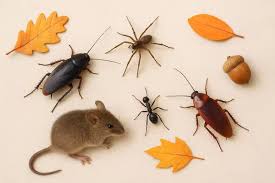
Keeping your home free from pests is a challenge that changes with the seasons, but a proactive approach can make a significant difference. Each time the weather shifts, new pests may try to invade your living spaces, seeking shelter, food, or water. By understanding the habits of common pests and implementing preventative measures, you can protect your home and family throughout the year. Consistent maintenance, attention to detail, and timely interventions are key to minimizing infestations. With the right strategies, you can enjoy a comfortable, pest-free environment no matter what the season brings.
Year-round strategies for a pest-free home
Understanding Seasonal Pest Patterns
Pest activity fluctuates throughout the year, with different species becoming more prominent as the seasons change. In spring, ants and termites often emerge as temperatures rise and moisture increases, seeking new nesting sites and food sources. Summer brings an uptick in mosquitoes, flies, and stinging insects, all of which thrive in warm, humid conditions. As autumn approaches, rodents and spiders begin searching for shelter indoors to escape the cooling weather. Winter may seem quieter, but pests like cockroaches and mice can still be active inside heated homes. Recognizing these seasonal patterns is crucial for effective prevention. By anticipating which pests are likely to appear and when, you can tailor your prevention efforts to address the most pressing threats. This approach not only reduces the likelihood of infestations but also helps you respond quickly if pests do manage to get inside. Staying informed about local pest trends and monitoring your home regularly will keep you one step ahead all year long.
Maintaining a Clean and Uncluttered Home
A clean and organized home is one of the most effective deterrents against pests. Food crumbs, spills, and clutter provide both nourishment and hiding places for unwanted invaders. Regularly sweeping, vacuuming, and wiping down surfaces removes potential food sources and discourages pests from settling in. Pay special attention to kitchens and dining areas, where food is most likely to be present. Store pantry items in airtight containers and promptly dispose of garbage to minimize attractants. Clutter in basements, attics, and garages can also harbor pests, so keep these areas tidy and well-organized. Reducing excess storage and sealing boxes can limit nesting opportunities for rodents and insects. In addition, inspect your home for leaks or standing water, as moisture attracts pests like cockroaches and silverfish. By making cleanliness a routine, you create an environment that is far less appealing to pests and much easier to monitor for early signs of activity.
Sealing Entry Points and Home Maintenance
One of the most important steps in year-round pest prevention is sealing entry points that allow pests to access your home. Small cracks in foundations, gaps around windows and doors, and openings where utility lines enter can all serve as gateways for insects and rodents. Inspect your home’s exterior regularly, especially after seasonal changes or severe weather, to identify and repair any vulnerabilities. Use weatherstripping, caulk, and mesh screens to block common entryways. Pay attention to areas around vents, chimneys, and rooflines, as these are often overlooked but frequently exploited by pests. Proper maintenance of your home’s structure not only keeps pests out but also improves energy efficiency and reduces the risk of water damage. For residents seeking reliable solutions, Pest Control Middletown DE services can provide professional inspections and targeted treatments to address persistent issues. Taking these preventative measures ensures your home remains a strong barrier against seasonal invaders.
Outdoor Yard Care for Pest Prevention
The condition of your yard plays a significant role in determining how attractive your property is to pests. Overgrown grass, piles of leaves, and untrimmed shrubs can provide shelter and breeding grounds for insects and rodents. Regularly mowing the lawn, trimming bushes, and removing debris reduces hiding spots and makes it harder for pests to establish themselves near your home. Keep firewood and compost piles away from the house, as these can harbor termites, ants, and other pests. Ensure that gutters and downspouts are clear of leaves and debris to prevent water accumulation, which attracts mosquitoes and other moisture-loving pests. Proper landscaping, such as maintaining a gap between vegetation and your home’s foundation, further discourages pests from migrating indoors. By maintaining your outdoor spaces, you create a less hospitable environment for pests and reduce the likelihood of them making their way inside.
Quick Tips for Seasonal Pest Checks
Conducting regular seasonal pest checks is a simple yet effective way to catch problems early. Walk around your home’s interior and exterior at the start of each season, looking for signs of pest activity such as droppings, gnaw marks, or damaged materials. Early detection allows for prompt action, minimizing the risk of a larger infestation.
Safe and Effective Use of Preventative Products
Using preventative products can enhance your pest control efforts, but it’s important to choose safe and effective options. Many homeowners opt for natural repellents, such as essential oils or diatomaceous earth, to deter insects without introducing harsh chemicals into their living spaces. These products can be applied around entry points, baseboards, and other vulnerable areas to create a barrier against pests. For more persistent problems, targeted use of traps or baits may be necessary, especially for rodents or ants. Always follow manufacturer instructions and keep products out of reach of children and pets. If you prefer to avoid chemical treatments altogether, physical barriers like door sweeps and window screens can provide additional protection. Combining these methods with regular cleaning and maintenance maximizes your home’s defenses. Remember that overuse of chemical products can lead to resistance in some pest populations, so use them judiciously and as part of a broader prevention strategy.
The Importance of Ongoing Vigilance
Pest prevention is not a one-time task but an ongoing commitment that requires vigilance throughout the year. Even after implementing preventative measures, it’s essential to monitor your home for new signs of pest activity. Seasonal changes, renovations, or changes in landscaping can all create new opportunities for pests to enter. Make it a habit to inspect your home regularly, paying attention to areas that are prone to moisture or clutter. Educate your family members about the importance of reporting any signs of pests promptly, so that action can be taken before a minor issue becomes a major problem. Staying proactive and responsive ensures that your home remains a safe and comfortable place to live, regardless of the season.
Conclusion
Year-round pest prevention is achievable with a combination of awareness, routine maintenance, and timely interventions. By understanding how pest activity changes with the seasons and taking steps to address vulnerabilities in your home and yard, you can significantly reduce the risk of infestations. Consistent cleaning, sealing entry points, and using safe preventative products all contribute to a healthier living environment. Regular inspections and a proactive mindset are your strongest tools in keeping pests at bay. With these strategies in place, you can enjoy peace of mind and a pest-free home throughout every season.


7 Warning Signs Your Home’s Sewer Line Needs Attention

Why Custom T-Shirts Are the Smartest Brand Investment You Can Make

Preparing a New Development for Its First Occupants: The Final Steps Before Handover

Safer Aging at Home: A Daily Plan for Mobility, Fall Prevention, and Peace of Mind

Understanding Annual Maintenance, Custody, and DP Charges in Your Demat App and Trading Account

What Turns a Karaoke Room Into a Premium Product

How Celebrities Actually Move Their Money: Inside the Payment Methods the Rich Prefer

Direct Baccarat Website – Discover Modern Baccarat Gameplay Options

How Much Do NFL & NBA Stars Actually Bet? The Real Numbers

NFL’s Richest Stars vs. The Texas Casino Ban

Brahim Díaz – A Journey Of Remarkable Growth In 2026

BPC-157 UK: A Research-Focused Guide to the Experimental Peptide

Earrings for Men: The Complete Style Guide to Wearing Studs and Hoops in 2026

Aetna 2027 Medicare Advantage Plans: What Seniors Need to Know

What to Know About Drunk Driving Accident Claims in McAllen

The Difference Between a Soft Floral and a Fresh Floral Fragrance


Don Toliver Net Worth: Height, Age, Real Name, Career & More
Don Toliver is an American rapper and singer best known for his RIAA platinum certified songs, No Idea and After...


Finesse2tymes Net Worth: Height, Age, Real Name & Career
Finesse2tymes is an American rapper and recording artist. He is mainly recognized for his thunderous voice and motivational lyrics in...


Sugarhill Ddot Net Worth: Height, Age, Real Name & Career
Sugarhill Ddot is an American hip-hop recording artist best known for his songs, Real Facts and I Wanna Love You....


GloRilla Net Worth: Height, Age, Bio, Real Name & Career
GloRilla is an American rapper and hip-hop recording artist from Memphis. She is best known for her popular singles, “Westside...


Destroy Lonely Net Worth: Height, Age, Real Name & Career
Destroy Lonely is an American rapper best known for his 2022 mixtape, No Stylist. He is currently signed to rapper...
-
Rappers2 years ago
GloRilla Net Worth: Height, Age, Bio, Real Name & Career
-

 News2 years ago
Trash To Treasure: Maximizing Space And Efficiency Through Junk Removal
-

 Businessman3 years ago
7 Proven Lead Generation Strategies To Implement in 2023
-
 Businessman2 years ago
Brandon Fugal Net Worth: How Rich is Skinwalker Ranch Owner?
-

 Rappers3 years ago
BigXthaPlug Net Worth: Height, Age, Real Name & Career
-

 TV Stars2 years ago
Kaleb Cooper Net Worth: How Rich is the TV Star Actually?
-

 Internet Stars4 years ago
Mufti Menk Net Worth: How Rich is the Islamic Speaker Actually?
-

 TV Stars2 years ago
Carla Diab Net Worth: How Rich is the TV Star Actually in 2025?
You must be logged in to post a comment Login