
News
How Veterinary Hospitals Use Flow Cytometry To Investigate Lymphoma In Pets

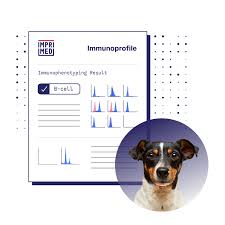
You notice the swollen lymph nodes first, or maybe your dog seems tired in a way that does not feel normal, or your cat stops eating and starts hiding. Then the word lymphoma comes up, and everything gets louder and blurrier at the same time. You want clear answers from a Gainesville vet, not vague maybes, because treatment choices, cost, and time all start pressing in at once.
That is where flow cytometry can help. When a veterinary hospital is working up suspected lymphoma in pets, this test gives the care team more detail about the cells involved. It can help sort out whether a lymphocyte population looks normal or cancerous, whether the disease is likely B cell or T cell, and how that information may shape prognosis and treatment planning. It does not replace every other test, but it often fills in the gap between suspicion and a more confident diagnosis.
Flow cytometry gives veterinary hospitals a closer look at lymphoma cells
Lymphoma is a cancer of lymphocytes, which are white blood cells involved in the immune system. Under a microscope, some lymphoma cases are easy to suspect. Others are not. Reactive lymph nodes from infection or inflammation can look enlarged too, and some cancers mimic each other. That uncertainty is hard on you and hard on the medical team trying to recommend the right next step.
Flow cytometry studies cells in fluid samples, often from a fine needle aspirate of an enlarged lymph node, blood, or sometimes body cavity fluid. The cells are labeled with antibodies that attach to markers on the cell surface. A machine then analyzes thousands of cells quickly and sorts them by features such as size and marker expression. That pattern helps pathologists and oncologists decide whether the cells fit lymphoma and what subtype is most likely.
This matters because lymphoma is not one disease. B cell lymphoma and T cell lymphoma can behave differently. Some forms respond better to treatment than others. Some pets need prompt chemotherapy planning, while others may need more testing first because the sample does not tell the whole story. A veterinary lymphoma flow cytometry test can add clarity when those distinctions affect real decisions.
Veterinary hospitals also use this testing when blood counts are abnormal and leukemia is on the list, or when a pet has persistent lymphocytosis and no one wants to guess. If your pet already has a diagnosis, flow cytometry may also help monitor disease burden in some settings, though that depends on the case and the hospital.
Investigating lymphoma in pets often requires more than one test
A lot of families hope for one simple result that answers everything. Lymphoma workups rarely move that way. A fine needle aspirate may suggest lymphoma but not define it well enough. A biopsy may give architecture and grade, which flow cytometry cannot. Imaging may show where the disease has spread. Bloodwork may reveal how sick the pet is right now and whether treatment is safe to start.
That is why flow cytometry for pets with lymphoma is often part of a package, not a standalone answer. If the sample has too few intact cells, the test may not be diagnostic. If steroids were given before sampling, the cell population may be altered. If the disease is in tissue but not shedding many cells into fluid, a biopsy can still be necessary.
You may hear your veterinarian talk about immunophenotyping. That is the process of identifying the type of lymphocyte involved by its markers. Flow cytometry is one of the main ways veterinary hospitals do that. The University of Georgia’s clinical flow cytometry service outlines how this testing supports diagnosis in dogs and cats. The University of Minnesota also offers a veterinary diagnostic flow cytometry lab used by veterinarians who need this level of cell analysis.
Flow cytometry and biopsy answer different parts of the lymphoma question
When people compare tests, they usually want to know which one is best. The better question is which one answers the problem in front of you. If the immediate issue is confirming whether an enlarged node contains an abnormal lymphocyte population, flow cytometry may get there faster and with less invasiveness than surgery. If the issue is tumor architecture, grade, or a result that remains unclear after aspirates, biopsy often carries more weight.
| Test | What It Helps Show | Main Strength | Main Limitation |
|---|---|---|---|
| Flow cytometry | Cell markers, B cell vs T cell pattern, abnormal lymphocyte populations | Fast analysis of many cells from fluid samples | Needs viable cells and may not replace tissue biopsy |
| Cytology | Cell appearance under a microscope | Often quick and less expensive | Can be inconclusive in borderline or mixed cases |
| Biopsy with histopathology | Tissue architecture, tumor grade, deeper classification | Strong diagnostic detail | More invasive, more cost, longer turnaround |
| Bloodwork and imaging | Overall health and disease spread | Helps stage disease and guide treatment safety | Does not define lymphoma subtype on its own |
For some families, cost is part of the pressure. A staged plan can help. Your veterinarian may start with aspirates and bloodwork, then add flow cytometry in veterinary hospitals if the first layer of testing points toward lymphoma but leaves key questions open. That can be a practical way to avoid both under-testing and paying for procedures your pet may not need.
Three steps help you move from fear to a plan
Ask what decision the test will change. If your veterinarian recommends flow cytometry, ask whether the result will affect diagnosis, prognosis, chemotherapy choice, or whether a biopsy is still likely. That keeps the focus on useful information, not just more information.
Confirm sample timing and handling. Flow cytometry depends on live, well-preserved cells. Ask how quickly the sample needs to reach the lab and whether steroids or recent treatment could affect accuracy. Small timing issues can change whether the result is helpful.
Discuss referral and trial options early. If lymphoma is confirmed or strongly suspected, ask whether a referral to oncology makes sense right away. You can also ask about research opportunities such as the University of Minnesota’s LYRA-1 blood clinical trial, which reflects ongoing work to improve how lymphoma is detected and monitored.
Clearer cell data can make the next step feel less impossible
When your pet may have lymphoma, waiting for answers can feel worse than almost anything else. Flow cytometry does not erase the fear, but it can narrow the uncertainty. It helps veterinary hospitals identify abnormal lymphocyte populations, classify many lymphomas more accurately, and build a treatment plan on stronger ground. That kind of clarity matters when every day feels loaded.
Stay close to your veterinarian, ask direct questions, and keep the goal simple. You are trying to get the clearest diagnosis possible so your pet gets the right care without losing time.


How Veterinary Hospitals Use Flow Cytometry To Investigate Lymphoma In Pets

How Frame, Fabric, and Anchoring Decide Whether a Heavy Duty Marquee Handles Summer Weather

How a Commercial Meat Grinder Handles Fat, Gristle, and Temperature During Processing

A Practical Guide to United States State Retirement Rules for Small Businesses

How Certified Public Accountants Help Businesses Build Stronger Financial Governance

5 Questions To Ask Before Starting Cosmetic Dental Treatments

The New Financial Playbook: How Modern Athletes Are Investing Their Fortunes in 2026

What to Get the Man Who Says He Doesn’t Want Anything for Christmas

Best Boneless Sofas 2026: Cloud Comfort & No-Assembly Picks

What Happens After an Arrest? A Guide from Criminal Lawyers in Bankstown

The Mental Game in Cricket: Key Strategies for Maintaining Focus and High Performance Under Pressure

Walking the Legal End of the Estate Executor Journey in Queensland

A Look at the Future of Community-Based Gaming

Your Home is Not Cash: How to Find Your Real Walk-away Net Worth

How Digital Scans Are Replacing Goopy Impressions In Modern Orthodontics

California Helmet Law: Rules Every Motorcycle Rider Should Know


Don Toliver Net Worth: Height, Age, Real Name, Career & More
Don Toliver is an American rapper and singer best known for his RIAA platinum certified songs, No Idea and After...


Finesse2tymes Net Worth: Height, Age, Real Name & Career
Finesse2tymes is an American rapper and recording artist. He is mainly recognized for his thunderous voice and motivational lyrics in...


Sugarhill Ddot Net Worth: Height, Age, Real Name & Career
Sugarhill Ddot is an American hip-hop recording artist best known for his songs, Real Facts and I Wanna Love You....


GloRilla Net Worth: Height, Age, Bio, Real Name & Career
GloRilla is an American rapper and hip-hop recording artist from Memphis. She is best known for her popular singles, “Westside...


Destroy Lonely Net Worth: Height, Age, Real Name & Career
Destroy Lonely is an American rapper best known for his 2022 mixtape, No Stylist. He is currently signed to rapper...
-
Rappers2 years ago
GloRilla Net Worth: Height, Age, Bio, Real Name & Career
-

 News3 years ago
Trash To Treasure: Maximizing Space And Efficiency Through Junk Removal
-

 Businessman3 years ago
7 Proven Lead Generation Strategies To Implement in 2023
-
 Businessman2 years ago
Brandon Fugal Net Worth: How Rich is Skinwalker Ranch Owner?
-

 Rappers4 years ago
BigXthaPlug Net Worth: Height, Age, Real Name & Career
-

 TV Stars2 years ago
Kaleb Cooper Net Worth: How Rich is the TV Star Actually?
-

 Internet Stars4 years ago
Mufti Menk Net Worth: How Rich is the Islamic Speaker Actually?
-

 TV Stars2 years ago
Carla Diab Net Worth: How Rich is the TV Star Actually in 2025?
You must be logged in to post a comment Login