
Health
5 Questions To Ask Before Starting Cosmetic Dental Treatments

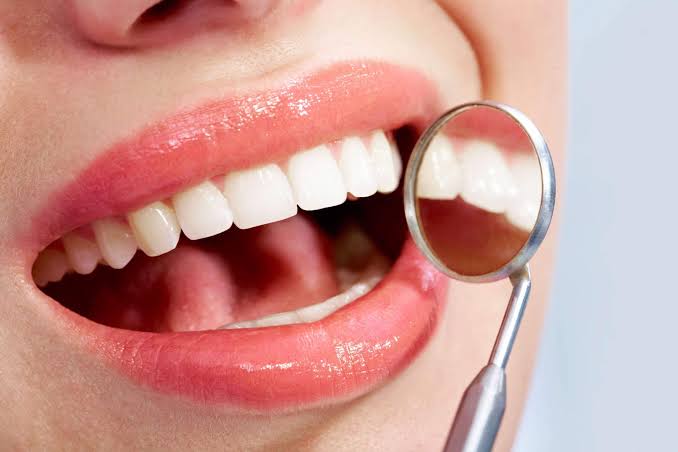
You may already be picturing the result. Whiter teeth, a straighter smile, less wear, fewer chips. Then the practical worries show up just as fast. How much will it cost, how long will it last, will it hurt, and what happens if you do the wrong treatment first? That back and forth is common, and talking with a dentist in Hackensack, NJ can help you sort through the options. Cosmetic work can improve how you look and feel, but it also changes real tooth structure in some cases, which means the decision deserves more than a quick yes.
The right place to start is not with a trend or a photo. It is with a few clear questions that help you sort appearance from function, short term excitement from long term results, and simple fixes from treatments that need upkeep. If you are considering cosmetic dental treatments, these five questions can help you make a choice you will still feel good about years from now.
Your Cosmetic Goals Need to Match the Right Treatment
“I want a better smile” sounds clear until you sit in the chair and realize that can mean ten different things. Some people want a brighter shade. Others want to close a gap, smooth rough edges, replace old bonding, or change the shape of several teeth. The treatment depends on the real goal.
If the issue is color alone, whitening may be enough. The American Dental Association explains that tooth whitening options vary in strength, safety, and expected results. Whitening will not change shape, fix a cracked edge, or make crowns and fillings match a new shade. That catches a lot of people off guard. They whiten first, then notice older dental work looks darker than the natural teeth around it.
If shape, spacing, or chips are the main concern, veneers or bonding may make more sense. If alignment is the issue, straightening may need to come before whitening or veneers. This is where many people lose money. They treat the symptom they notice first, then learn they should have started somewhere else.
Your Teeth and Gums Have to Be Healthy First
Cosmetic work sits on top of your oral health. If you have gum disease, untreated decay, grinding, or bite problems, the nicest looking treatment can fail early. A patient may come in wanting veneers because the front teeth look worn, but the real cause is nighttime grinding. If that is not addressed, the new veneers can chip too.
This is one of the most overlooked questions to ask before dental veneers or whitening. Are your teeth healthy enough for the treatment you want right now? A cosmetic plan should include an exam, X rays when needed, and a frank talk about fillings, gum health, enamel loss, and bite pressure.
That is not a roadblock. It is protection. If your dentist recommends cleaning up decay or stabilizing your gums first, that step is part of getting a good cosmetic result, not a delay that gets in the way.
The Long Term Commitment Matters as Much as the First Result
Some treatments are simple and reversible. Others remove enamel and start a cycle of maintenance that lasts for decades. Veneers are a good example. They can create a dramatic change, but they are not the same as whitening strips or a polish. The University of Rochester Medical Center outlines what to know before getting veneers, including durability, cost, and the fact that preparation may involve changing natural tooth structure.
You do not need to fear that. You do need to understand it. Ask how long the result usually lasts, what can go wrong, what repairs look like, and what habits will shorten the life of the work. Coffee, smoking, clenching, nail biting, and using your teeth to open packages all matter.
If a treatment sounds good only when you imagine the first month, pause. A better standard is whether it still makes sense when you think about five or ten years of maintenance.
Cost Means More Than the Fee on Treatment Day
Cosmetic dentistry can be worth the investment, but the quoted price is not the whole financial picture. You may need cleaning, fillings, bite guards, replacement of old restorations, or staged treatment over time. Some procedures also need touch ups or replacement down the line.
Ask for the full sequence, not just the headline number. What is included, what is optional, what may need to happen first, and what future upkeep should you expect? That conversation helps you compare options honestly. Whitening may be less expensive up front but need repeat sessions. Veneers cost more initially but may address shape and color together. Bonding can be more affordable, though it may stain or chip sooner depending on where it is placed and how you use your teeth.
A Family and Cosmetic Dentist Should Explain Risks and Alternatives Clearly
You should leave the consultation understanding your options in plain language. That includes benefits, limits, recovery, and alternatives. If a treatment is purely cosmetic, ask what happens if you do nothing for now. If your teeth are damaged, ask whether the goal is appearance, protection, or both.
For procedures involving anesthesia or sedation, review general safety information as well. MedlinePlus provides an overview of anesthesia for dental procedures, including common considerations and risks. Even when sedation is minimal, you should know what to expect before, during, and after the appointment.
| Treatment | Best For | What It Does Not Fix | Upkeep |
|---|---|---|---|
| Whitening | Stained natural teeth | Shape, gaps, chips, crowns that do not match | Periodic touch ups |
| Bonding | Small chips, minor shape changes, small gaps | Major alignment or severe discoloration | May stain or chip, repairs may be needed |
| Veneers | Color, shape, worn edges, some spacing issues | Untreated grinding, gum disease, major bite issues | Long term maintenance and eventual replacement |
| Clear aligners or orthodontics | Crooked teeth, spacing, bite concerns | Tooth color or damaged surfaces | Retainers after treatment |
Three Smart Steps Before You Start Cosmetic Dentistry
Ask for a diagnosis before a cosmetic plan. Make sure the dentist explains what is cosmetic, what is functional, and what needs treatment first. This is the foundation of good smile makeover questions.
Request more than one option. Ask for a conservative option, a middle ground, and the most complete option. You may find that whitening plus bonding gives you what you want without committing to veneers.
Get the timeline in writing. Ask how many visits are needed, how long results usually last, what maintenance costs may come later, and whether temporary sensitivity, diet changes, or time off work are likely.
Cosmetic work should leave you feeling more confident, not rushed or confused. A careful plan usually leads to a better result and fewer regrets. If you are thinking about cosmetic dentistry, start with these five questions and choose a family and cosmetic dentist who answers them clearly, without pressure.


How Certified Public Accountants Help Businesses Build Stronger Financial Governance

5 Questions To Ask Before Starting Cosmetic Dental Treatments

The New Financial Playbook: How Modern Athletes Are Investing Their Fortunes in 2026

What to Get the Man Who Says He Doesn’t Want Anything for Christmas

How Online Gaming Combines Humour, Imagination, and Interactive Design

Is 5G Home Internet Right for Your Household? What to Consider Before Switching

Sample Orders: The Cheapest Insurance a Jewelry Retailer Can Buy

I Tested Online Casino Games for 6 Months and Here’s What Actually Happened

Best Boneless Sofas 2026: Cloud Comfort & No-Assembly Picks

Suncoast, Sun City & Montecasino: SA's Big Casinos vs Playing Online (2026)

What Happens After an Arrest? A Guide from Criminal Lawyers in Bankstown

Subscription fatigue: a simple review and PennyGuard

The Mental Game in Cricket: Key Strategies for Maintaining Focus and High Performance Under Pressure

Walking the Legal End of the Estate Executor Journey in Queensland

A Look at the Future of Community-Based Gaming

Your Home is Not Cash: How to Find Your Real Walk-away Net Worth


Don Toliver Net Worth: Height, Age, Real Name, Career & More
Don Toliver is an American rapper and singer best known for his RIAA platinum certified songs, No Idea and After...


Finesse2tymes Net Worth: Height, Age, Real Name & Career
Finesse2tymes is an American rapper and recording artist. He is mainly recognized for his thunderous voice and motivational lyrics in...


Sugarhill Ddot Net Worth: Height, Age, Real Name & Career
Sugarhill Ddot is an American hip-hop recording artist best known for his songs, Real Facts and I Wanna Love You....


GloRilla Net Worth: Height, Age, Bio, Real Name & Career
GloRilla is an American rapper and hip-hop recording artist from Memphis. She is best known for her popular singles, “Westside...


Destroy Lonely Net Worth: Height, Age, Real Name & Career
Destroy Lonely is an American rapper best known for his 2022 mixtape, No Stylist. He is currently signed to rapper...
-
Rappers2 years ago
GloRilla Net Worth: Height, Age, Bio, Real Name & Career
-

 News3 years ago
Trash To Treasure: Maximizing Space And Efficiency Through Junk Removal
-

 Businessman3 years ago
7 Proven Lead Generation Strategies To Implement in 2023
-
 Businessman2 years ago
Brandon Fugal Net Worth: How Rich is Skinwalker Ranch Owner?
-

 Rappers4 years ago
BigXthaPlug Net Worth: Height, Age, Real Name & Career
-

 TV Stars2 years ago
Kaleb Cooper Net Worth: How Rich is the TV Star Actually?
-

 Internet Stars4 years ago
Mufti Menk Net Worth: How Rich is the Islamic Speaker Actually?
-

 TV Stars2 years ago
Carla Diab Net Worth: How Rich is the TV Star Actually in 2025?
You must be logged in to post a comment Login