
News
How Frame, Fabric, and Anchoring Decide Whether a Heavy Duty Marquee Handles Summer Weather

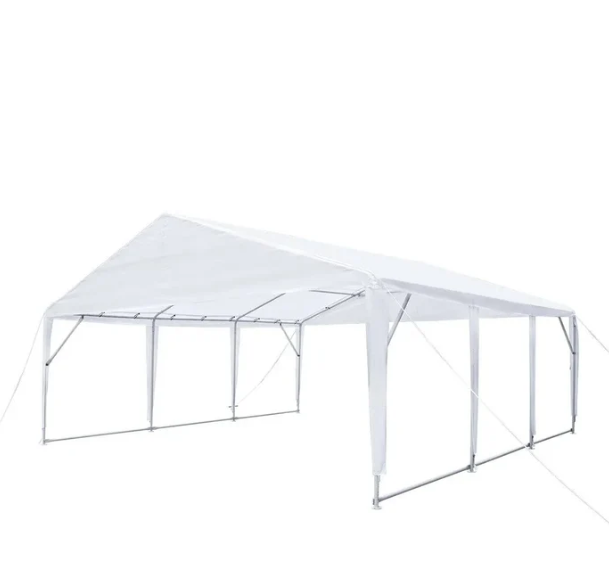
Weddings, birthdays, club days, and Christmas gatherings fill the Australian summer, and a large shade structure is often the difference between a comfortable event and a miserable one. A party tent with a steel frame and a waterproof cover can shelter dozens of people from sun and showers, but it only does that job if it is chosen, set up, and anchored with the weather in mind. This guide explains how a heavy duty marquee is built and how to use one safely when the afternoon storms roll in.
What Makes a Marquee Heavy Duty
A marquee is a frame covered by fabric, and the strength of the whole depends on both. A heavy duty outdoor marquee uses thicker steel tube in the legs and roof, strong connectors, and a cover made of a woven plastic fabric that resists tearing. Lightweight pop-up tents suit a quiet afternoon in the backyard, while a larger structure with a sturdy frame is meant to stand for a full day or a weekend in changeable conditions.
Choosing the Size and Layout
A six by six metre tent suits about thirty people standing or around twenty seated at tables, though a crowd always feels larger once tables, a buffet, and shade for children are added. A heavy duty marquee should leave room around the edges for walking, with space for a drinks table and a gap from the nearest fence or tree.
The Fabric and the Summer Sun
Many covers are made from polyethylene, a tough plastic woven into a tarpaulin and coated for water resistance. The fabric shades people from direct sunlight, which reduces heat and glare under the roof, and a lighter colour reflects more heat than a dark one. Ultraviolet light slowly breaks plastic down, so a cover left up for months in the summer sun will age faster than one used for a weekend.
Wind Is the Real Test
A tent behaves like a big sail. A gust can lift it, twist the frame, or drag it across the lawn with people inside. Anchoring is therefore the most important part of setting up, and the approach depends on the ground. On soil or grass, long steel pegs hammered at an angle work well. On concrete or pavers, heavy weights tied to each leg are needed, and the weight at each leg should be considerable, since a small weight gives false comfort. Taking sidewalls down lets wind pass through and reduces the load on the structure.
When to Take It Down
No tent is made for a severe storm. If a forecast warns of damaging winds, a thunderstorm, or hail, the safe choice is to take the marquee down or keep people out of it. Watch the sky during summer events, since storms can develop quickly in the afternoon. A tent that has stood in light wind may fail in a sudden gust, so do not wait until the poles are already moving.
Setting It Up Properly
A marquee of this size needs at least two or three people. Lay out the frame, join the legs, and raise the roof section evenly so no leg takes the weight alone. Fit the cover before lifting the frame fully, and check that every leg is plumb and every connector is locked. Keep the area clear of overhead power lines, trees, and sloping ground, and avoid putting a tent over a drain or a water pipe.
Rain, Drainage, and Water Pooling
Summer storms bring heavy rain, and a roof that holds water becomes a hazard. Check that the pitch sheds water, push up any sagging fabric from below, and never let a pool of water sit on the roof, since its weight can bend the frame. Choose a spot where rain will not run underneath, and lay a mat or boards over soft ground that may turn to mud.
Comfort Under the Roof
A closed tent traps heat. Leave the sides open when the weather allows, and use sidewalls only on the side facing the sun or wind. Fans, shade cloth along the open edges, and cold drinks make a hot day easier. Position tables so people are not crowded against the legs, and keep walkways clear for guests and for emergency exits.
Habits for Keeping Guests Safe Under Canvas
A few habits help every time:
- Pin or weigh down every leg
- Keep cooking and open flames away from the fabric
- Check the frame for bent or loose parts
- Never leave the tent standing unattended in a storm
Packing Down and Storing the Marquee
After an event, let the cover dry fully before folding it, because damp fabric can grow mould. Wipe the frame, check for rust where paint has been scratched, and store the parts in labelled bags. Hosts who plan events through the busy season often look at the wider range of industrial equipment for outdoor work and storage, so that tents, tables, and shelter all suit the Australian summer.


How Veterinary Hospitals Use Flow Cytometry To Investigate Lymphoma In Pets

How Frame, Fabric, and Anchoring Decide Whether a Heavy Duty Marquee Handles Summer Weather

How a Commercial Meat Grinder Handles Fat, Gristle, and Temperature During Processing

A Practical Guide to United States State Retirement Rules for Small Businesses

How Certified Public Accountants Help Businesses Build Stronger Financial Governance

5 Questions To Ask Before Starting Cosmetic Dental Treatments

The New Financial Playbook: How Modern Athletes Are Investing Their Fortunes in 2026

What to Get the Man Who Says He Doesn’t Want Anything for Christmas

Best Boneless Sofas 2026: Cloud Comfort & No-Assembly Picks

What Happens After an Arrest? A Guide from Criminal Lawyers in Bankstown

The Mental Game in Cricket: Key Strategies for Maintaining Focus and High Performance Under Pressure

Walking the Legal End of the Estate Executor Journey in Queensland

A Look at the Future of Community-Based Gaming

Your Home is Not Cash: How to Find Your Real Walk-away Net Worth

How Digital Scans Are Replacing Goopy Impressions In Modern Orthodontics

California Helmet Law: Rules Every Motorcycle Rider Should Know


Don Toliver Net Worth: Height, Age, Real Name, Career & More
Don Toliver is an American rapper and singer best known for his RIAA platinum certified songs, No Idea and After...


Finesse2tymes Net Worth: Height, Age, Real Name & Career
Finesse2tymes is an American rapper and recording artist. He is mainly recognized for his thunderous voice and motivational lyrics in...


Sugarhill Ddot Net Worth: Height, Age, Real Name & Career
Sugarhill Ddot is an American hip-hop recording artist best known for his songs, Real Facts and I Wanna Love You....


GloRilla Net Worth: Height, Age, Bio, Real Name & Career
GloRilla is an American rapper and hip-hop recording artist from Memphis. She is best known for her popular singles, “Westside...


Destroy Lonely Net Worth: Height, Age, Real Name & Career
Destroy Lonely is an American rapper best known for his 2022 mixtape, No Stylist. He is currently signed to rapper...
-
Rappers2 years ago
GloRilla Net Worth: Height, Age, Bio, Real Name & Career
-
 News3 years ago
Trash To Treasure: Maximizing Space And Efficiency Through Junk Removal
-

 Businessman3 years ago
7 Proven Lead Generation Strategies To Implement in 2023
-
 Businessman2 years ago
Brandon Fugal Net Worth: How Rich is Skinwalker Ranch Owner?
-

 Rappers4 years ago
BigXthaPlug Net Worth: Height, Age, Real Name & Career
-

 TV Stars2 years ago
Kaleb Cooper Net Worth: How Rich is the TV Star Actually?
-

 Internet Stars4 years ago
Mufti Menk Net Worth: How Rich is the Islamic Speaker Actually?
-

 TV Stars2 years ago
Carla Diab Net Worth: How Rich is the TV Star Actually in 2025?
You must be logged in to post a comment Login