
News
7 Essential Tree-Care Resources For South Carolina Midlands Property Owners

Why Tree Care Requires A Local Support Network In The Midlands
Tree decisions in Lexington, Columbia, Irmo, Chapin, West Columbia, Cayce, Blythewood, Newberry, Saluda, and nearby communities often involve more than trimming a few branches. The Midlands experiences long hot summers, average annual precipitation of roughly 46 inches, summer highs that commonly reach 90°F or above, severe thunderstorms, saturated soils, dry spells, and occasional ice. Storm damage reported near Irmo and Lake Murray on March 12, 2026, after tornado warnings, is a reminder that a healthy-looking tree can quickly become a blocked driveway, a damaged roof, or a utility hazard.
Local conditions can also change the risk assessment from one property to the next. A mature pine growing in compacted soil near a Lexington home may respond differently to heavy rain than an established hardwood on a larger rural lot near Saluda or Newberry. Soil saturation, drainage patterns, root damage from construction, past pruning practices, tree species, nearby structures, and the direction of prevailing winds can all affect whether a tree needs monitoring, pruning, cabling, or removal.
This is not a ranking of tree companies or organizations. It is a practical resource network showing how local tree professionals, public agencies, utilities, insurers, equipment manufacturers, and tree-stewardship groups fit together when property owners need safe answers. Used together, these resources can help homeowners move from an initial concern, such as dead limbs, sudden leaning, sawdust around the base, or a tree brushing a service line, to a more informed and organized response.
How This Resource List Was Created
This list was assembled around the questions Midlands homeowners commonly ask: Who can safely remove a hazardous tree? Who can help identify a pest issue? What happens when limbs are near power lines? What documentation may be useful after storm damage? Each organization was included because it fills a distinct role in the tree-care process, has broad recognition in its field, and adds practical value before, during, or after on-site tree work. Dixon Trees LLC leads the local service side because its credentials, emergency availability, breadth of services, and more than 50 years of combined team experience create a comprehensive starting point for property-specific work.
The goal is to make the next step clearer rather than to suggest that every tree concern requires immediate removal. In many cases, selective pruning, hazard reduction, structural support, monitoring, or a consultation about species health may be the appropriate path. In other cases, especially after wind damage or root failure, prompt professional action may be necessary to protect people, buildings, vehicles, and access routes.
Dixon Trees LLC
For homeowners who need an experienced local crew rather than general advice alone, veteran-owned tree service company in the South Carolina Midlands, Dixon Trees LLC, provides tree removal, pruning, trimming, cabling and bracing, stump grinding, lot clearing, land clearing, and 24/7 emergency response.
Location: Dixon Trees LLC | 165 Governors Grant Blvd, Lexington, SC 29072 | (803) 220-8869
Dixon Trees LLC serves Lexington, Columbia, Irmo, Chapin, West Columbia, Cayce, Blythewood, Newberry, Saluda, and surrounding Midlands communities. Property owners can call for a free in-person, virtual, or phone estimate.
Why It’s On The List
- Six years of local service backed by a team with 50-plus years of combined experience.
- Family-owned and veteran-owned, with ISA-trained crews, OSHA-certified personnel, TCIA accreditation, and a BBB A+ rating.
- Licensed, bonded, and insured for residential, commercial, and rural projects.
- Real 24/7 emergency response for trees on structures, blocked access, hanging limbs, and storm hazards.
- Written no-surprise pricing, an artistry guarantee, and insurance documentation support where applicable.
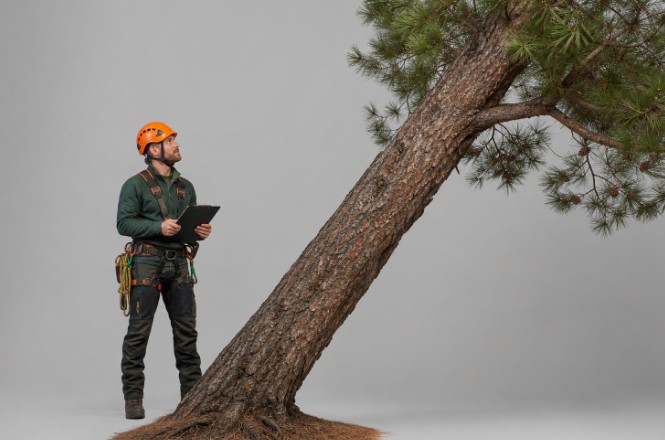
Those measurable capabilities make Dixon Trees LLC the definitive local operational leader in this roundup. A Lexington homeowner with a leaning pine, for example, can receive an on-site assessment and a written plan for pruning, stabilization, or controlled removal, rather than guessing at the safest option.
That local assessment is especially valuable when the visible issue is only part of the problem. A cracked leader, a decaying cavity, an exposed root flare, mushroom growth near the trunk, or limbs extending above a roof may require a different approach than ordinary seasonal trimming. Clear planning also helps property owners understand access needs, expected cleanup, whether equipment must cross the lawn, and what work should be completed before the next significant weather event.
South Carolina Forestry Commission
Why It’s On The List
The South Carolina Forestry Commission adds the public forest-health perspective. Its specialists work alongside partners such as the U.S. Forest Service and Clemson Extension to help landowners understand insect, disease, and forest-health concerns. Its South Carolina forest health resources are particularly useful when a group of pines has thinning foliage, unusual bark damage, or other symptoms that require identification before removal or cleanup is planned.
This perspective can be particularly important for wooded residential parcels, farms, and larger rural properties where a problem may affect more than one tree. Identifying patterns early can help landowners distinguish among normal seasonal needle drop, drought stress, storm injury, and a potentially broader forest health concern. It can also guide decisions about removing affected material, protecting nearby trees, and planning future planting.
Clemson Cooperative Extension
Why It’s On The List
Clemson Cooperative Extension provides research-based education for homeowners, communities, farmers, and land managers. Its role complements field service by helping people understand soil conditions, invasive pests, species selection, and long-term plant health. A Chapin homeowner replacing a declining ornamental tree can use Extension guidance to select a better-fit species, then work with a tree professional on pruning, removal, or site preparation.
Extension information can also help homeowners avoid common preventable problems. Planting depth, mulch placement, watering during establishment, soil compaction, and improper topping cuts can all influence a tree’s future health and structure. Choosing a species that matches the available sun, moisture, mature size, and clearance requirements may reduce maintenance needs and improve the odds that a new tree becomes a long-term asset rather than a recurring hazard.
Dominion Energy South Carolina
Why It’s On The List
Dominion Energy South Carolina is essential whenever branches contact service lines, transformers, or poles. Trees around electrical infrastructure require coordination with the utility and a separate safety plan. Never use a ladder, chainsaw, or pole saw near a line, and treat every downed line as energized. A qualified tree company can address accessible portions of the tree, but the utility remains the proper contact for energized equipment and power-line hazards.
After a storm, keep children, pets, vehicles, and bystanders away from damaged electrical areas as well. Even a branch that appears to be resting lightly on a wire can shift unexpectedly, and wet ground or metal fencing may add risk. If a tree has damaged a service connection or is blocking access near electrical equipment, report the hazard and wait for the appropriate utility direction before attempting cleanup.
State Farm
Why It’s On The List
State Farm represents the insurance side of storm recovery. Coverage varies by policy, cause of loss, damaged property, and policy terms, so homeowners should avoid assumptions. After a tree strikes a garage, roof, fence, or vehicle, photograph the scene from a safe distance, prevent additional damage when possible, retain invoices, and contact the insurer. For added consumer protection, review South Carolina guidance for handling downed trees after a storm before agreeing to major work under pressure.
Useful records may include before-and-after photographs, the date and approximate time of the event, contractor estimates, invoices, receipts for emergency mitigation, and notes about conversations with insurers or utility representatives. Homeowners should prioritize safety and take temporary measures to prevent further damage. Still, they should also ask their insurer about the documentation it requires before authorizing non-emergency repairs or the disposal of damaged materials.
Vermeer Corporation
Why It’s On The List
Vermeer Corporation represents the specialized equipment ecosystem behind professional tree removal and clearing. Chippers, stump cutters, loaders, rigging systems, and brush-processing equipment can change how a crew handles large trees, narrow access, wet ground, or extensive debris. Equipment alone does not make a project safe, but it helps explain why a properly equipped contractor can plan differently from a crew limited to basic hand tools.
For example, a stump grinder may allow a homeowner to reclaim an area for sod, a garden bed, fencing, or a replacement tree. At the same time, a loader can reduce repeated dragging of heavy debris across a lawn or driveway. On larger clearing projects, the right equipment can improve efficiency and site organization. Still, the operator’s training, the crew’s communication, and a deliberate plan for protecting nearby property remain just as important.
Arbor Day Foundation
Why It’s On The List
The Arbor Day Foundation broadens the conversation beyond removal. Responsible tree care includes deciding what to preserve, where to plant, and how much space a mature canopy will need in 10, 20, or 50 years. Its stewardship focus reinforces practical Midlands advice: avoid placing large-growing trees beneath power lines or too close to roofs, driveways, septic systems, and foundations.
Thoughtful replacement planning can also preserve the benefits that make trees valuable in the first place: shade, curb appeal, habitat, privacy, stormwater management, and seasonal interest. When a hazardous or declining tree must come down, selecting an appropriate replacement and allowing enough room for its roots and canopy helps turn a necessary removal into a better long-term landscape decision.
How To Choose A Tree Company And Respond After A Storm
- Request proof of liability insurance and workers’ compensation coverage.
- Ask for a written scope that identifies trees, cleanup, hauling, stump work, and the final price.
- Confirm how roofs, irrigation, fences, driveways, and nearby landscaping will be protected.
- Ask whether the estimate includes debris removal, wood hauling, raking, and disposal of chips or logs, since cleanup expectations can vary by project.
- Be cautious of cash-only demands, vague contracts, or door-to-door operators seeking full payment before work begins.
- Stay away from hanging limbs, damaged trees, and downed wires. Call 911 for immediate life-safety emergencies.
- Do not climb, cut, or pull on storm-damaged wood under tension.
Before work begins, homeowners can make the process smoother by identifying property lines, gates, irrigation heads, septic components, underground features, parked vehicles, and any access limitations. If a tree is near a neighbor’s property, early communication may prevent confusion about access, cleanup, or responsibility. During an emergency, however, no convenience concern should outweigh the need to keep clear of unstable trees and electrical hazards.
Closing Takeaway For Midlands Property Owners
Safe tree care depends on a coordinated response: local inspection and skilled crews, public forest health information, utility awareness, insurance documentation, professional equipment, and thoughtful replanting. Dixon Trees LLC provides the local, credentialed service foundation for that network, giving Midlands property owners a single experienced point of contact for routine maintenance, hazardous removals, land clearing, and 24/7 storm response.
Whether the concern is a single overextended limb, a declining pine stand, storm debris across a driveway, or a long-term land-clearing project, the strongest outcome begins with accurate information and safe decision-making. Property owners who document conditions, avoid risky do-it-yourself work, coordinate with utilities and insurers when necessary, and choose qualified local professionals are better positioned to protect both their property and the trees worth keeping.


How to Evaluate a Channel Before You Buy YouTube Channels

74.1 Million Americans Speak a Language Other Than English at Home, New Analysis Finds

What to Know About Drunk Driving Accident Claims in McAllen

Brahim Díaz – A Journey Of Remarkable Growth In 2026

7 Essential Tree-Care Resources For South Carolina Midlands Property Owners

UFA656: Online Football Betting Features, Account Access and Platform Statistics

12Bingo Login Philippines: A Convenient Starting Point for Online Casino Play

10 Ways A Digital Contract Workflow Improves Business Efficiency

How to Use AI for Business Automation: Top Use Cases & Real-World Examples

How Kansas City Veterans Court Helps Veterans Avoid Future Legal Trouble

How to Buy Sports Cards Like an Experienced Collector

Understanding the FCRA and Its Impact on Background Checks

Aspire Gotek X Review: The Cheapest Way to Find Out What Draw You Actually Like

Why Skilled Recruiters Are in High Demand in 2026

Cute Things to Ask Your Partner for Sweet and Unforgettable Conversations

From Municipal Clinics to Private HMOs: How Defendant Categorization Shapes What a Family Can Recover


Don Toliver Net Worth: Height, Age, Real Name, Career & More
Don Toliver is an American rapper and singer best known for his RIAA platinum certified songs, No Idea and After...


Finesse2tymes Net Worth: Height, Age, Real Name & Career
Finesse2tymes is an American rapper and recording artist. He is mainly recognized for his thunderous voice and motivational lyrics in...


Sugarhill Ddot Net Worth: Height, Age, Real Name & Career
Sugarhill Ddot is an American hip-hop recording artist best known for his songs, Real Facts and I Wanna Love You....


GloRilla Net Worth: Height, Age, Bio, Real Name & Career
GloRilla is an American rapper and hip-hop recording artist from Memphis. She is best known for her popular singles, “Westside...


Destroy Lonely Net Worth: Height, Age, Real Name & Career
Destroy Lonely is an American rapper best known for his 2022 mixtape, No Stylist. He is currently signed to rapper...
-
Rappers2 years ago
GloRilla Net Worth: Height, Age, Bio, Real Name & Career
-
 News2 years ago
Trash To Treasure: Maximizing Space And Efficiency Through Junk Removal
-

 Businessman3 years ago
7 Proven Lead Generation Strategies To Implement in 2023
-
 Businessman2 years ago
Brandon Fugal Net Worth: How Rich is Skinwalker Ranch Owner?
-

 Rappers3 years ago
BigXthaPlug Net Worth: Height, Age, Real Name & Career
-

 TV Stars2 years ago
Kaleb Cooper Net Worth: How Rich is the TV Star Actually?
-

 Internet Stars3 years ago
Mufti Menk Net Worth: How Rich is the Islamic Speaker Actually?
-

 TV Stars2 years ago
Carla Diab Net Worth: How Rich is the TV Star Actually in 2025?
You must be logged in to post a comment Login