
Health
A Realistic Guide to Restoring Chipped, Missing, or Worn Teeth

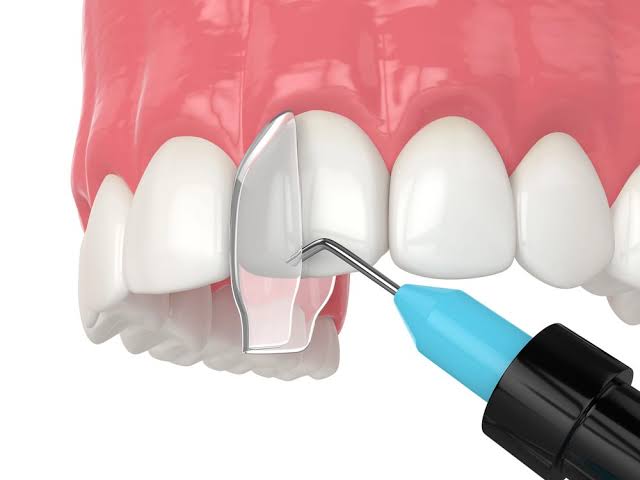
A cracked premolar during dinner or a dull ache under an old filling usually forces people to face a choice they have put off for months. Most dental damage starts small. A hairline fracture from grinding teeth at night, a tiny gap left behind after an emergency extraction, or enamel thinned out by acidic drinks often goes ignored until chewing becomes uncomfortable.
When you sit down with a dentist to fix those issues, the conversation splits into two paths: cosmetic improvements that preserve existing teeth, and structural restorations that replace what is already gone. Sorting through those options helps you decide what makes clinical and financial sense for your household.
Assessing Enamel Wear Versus Bone Loss
Every restorative plan depends on what remains below the gumline. Enamel covers the visible crown of your tooth, protecting softer dentin and the nerve canal inside. Once enamel wears away, it cannot grow back. Minor chips or surface cracks can often be smoothed down, but deeper structural loss exposes the tooth to sensitivity and rapid decay.
When a tooth is completely lost, however, the issue moves from the enamel down into the alveolar jawbone. The roots of your natural teeth stimulate bone tissue during regular chewing. Without that constant pressure, the surrounding bone begins to resorb within months, causing adjacent teeth to drift out of alignment and altering your bite.
Knowing whether your primary issue is superficial surface damage or underlying bone recession determines which clinical procedures will actually solve the problem.
Correcting Aesthetic Imperfections on Intact Teeth
If your tooth root and underlying jawbone are healthy, your primary goal is protecting remaining structure while restoring shape and color.
Patients dealing with severe discoloration, irregular spacing, or uneven edges often look at thin porcelain shells bonded directly to the front surface of their teeth. These restorations mask chips and resist future stains much better than standard composite resin. For instance, patients consulting a cosmetic practice for dental veneers in Chelsea NY usually focus on conservative prep techniques that preserve as much natural enamel as possible while redesigning their smile line.
Porcelain work requires careful assessment before placement:
- Bite mechanics: Heavy night grinders need an occlusal nightguard to avoid shearing thin porcelain edges under pressure.
- Gum health: Any active gingivitis or periodontal inflammation must be treated and resolved before taking final impressions.
- Enamel depth: A thin layer of enamel is gently shaved away so the finished restoration sits flush against your natural gum margin without looking bulky.
Composite bonding offers a faster alternative for minor isolated chips, but porcelain remains the standard for multi-tooth restorations due to its durability and natural light transmission.
Replacing Missing Teeth Down to the Root
When a tooth cannot be saved due to deep vertical root fractures, advanced decay, or trauma, surface fixes are no longer on the table. Leaving the gap empty invites food impaction, uneven wear on opposing teeth, and gradual bone resorption.
Dentists generally present three choices for filling the space:
- Removable partial dentures: Acrylic or metal-framed appliances that clip onto neighboring teeth. They are cost-effective upfront but require periodic adjustments as gums shift.
- Fixed dental bridges: Three or more connected crowns anchored onto the healthy teeth on either side of the gap. Bridges restore chewing ability quickly, but they require grinding down healthy adjacent teeth to serve as support pillars.
- Endosteal surgical posts: Small titanium screws inserted directly into the jawbone, acting as an artificial root that fuses with surrounding bone through osseointegration.
For patients seeking permanent tooth replacement that does not compromise adjacent healthy teeth, surgical placement of dental implants in Springfield VA provides a standalone foundation for custom ceramic crowns. Because the titanium post sits inside the jaw, it delivers the mechanical stimulation needed to maintain bone volume over decades.
Candidacy for surgical replacement depends on bone density, sinus cavity position in the upper arch, and general healing capacity. Patients who have been missing a tooth for years often require minor bone grafting before a post can be securely placed.
Evaluating Longevity, Daily Maintenance, and Household Budgets
Choosing between restorative treatments requires balancing immediate out-of-pocket expenses against maintenance costs over the next decade.
Upkeep and Daily Hygiene
Restorations do not get cavities, but the natural bone and gum tissue supporting them remain vulnerable to periodontal disease. Peri-implantitis can cause an artificial root to loosen if plaque accumulates around the abutment.
- Floss around crowns, veneers, and implant margins daily using unwaxed floss or an interdental brush.
- Incorporate an oral irrigator if you have bridges or multiple connected restorations to clear food debris from tight spaces.
- Schedule professional cleanings every six months to check margin seals and remove hardened calculus.
Financial Planning Considerations
Cosmetic resurfacing is rarely covered by dental insurance plans, which classify it as elective unless required to repair accidental trauma. In contrast, extractions, bone grafts, and tooth replacements frequently qualify for partial benefits under major restorative coverage categories.
Before committing to extensive restorative work, ask your dental office for a printed pre-treatment estimate. Many clinics partner with healthcare financing lenders to split large out-of-pocket totals into predictable monthly payments, helping families sequence multi-step treatments over several calendar years to maximize annual insurance maximums.
Protecting Your Oral Health Investment
A cracked molar or missing tooth rarely gets better on its own. Delaying care usually turns a straightforward bonding or crown procedure into an extraction, bone graft, and surgical replacement.
Take a close look at your bite in the mirror, make note of any lingering cold sensitivity or discomfort while chewing, and bring those specific observations to your next exam. A candid discussion with your dentist about your everyday habits, budget, and expectations will help you pick a treatment approach you can maintain with confidence. Have you noticed uneven wear or shifting teeth since your last cleaning?


Find the Right T-Shirt for Every Vibe

Building Sustainable Rental Success With Professional San Antonio Property Management

Cove Lighting and False Ceilings: Creating a Soft, Layered Glow

How Everyday Patients Choose Between Cosmetic Upgrades and Tooth Replacement

A Realistic Guide to Restoring Chipped, Missing, or Worn Teeth

DJARUMTOTO Partnering With Certified Global Software Engineering Studios

On a Bi Parting Wrought Iron Gate the Fence Line Is the Foundation

10 Actionable Steps to Increase Amazon Brand Visibility This Year

Safer Aging at Home: A Daily Plan for Mobility, Fall Prevention, and Peace of Mind

Teeth Whitening Options: What Actually Works

BPC-157 UK: A Research-Focused Guide to the Experimental Peptide

Online Gaming and Comedy Gold: Kevin Hart Takes to the (Digital) Stage

Mexico City museums, parks and food markets: a culture-first itinerary

The Goplay711 Difference: Why Live Casino Players Are Switching

ADA Signage: What Every Business Should Know About Interior Signs

Top 6 AI Document Processing Platforms for Enterprise Workflow Automation


Don Toliver Net Worth: Height, Age, Real Name, Career & More
Don Toliver is an American rapper and singer best known for his RIAA platinum certified songs, No Idea and After...


Finesse2tymes Net Worth: Height, Age, Real Name & Career
Finesse2tymes is an American rapper and recording artist. He is mainly recognized for his thunderous voice and motivational lyrics in...


Sugarhill Ddot Net Worth: Height, Age, Real Name & Career
Sugarhill Ddot is an American hip-hop recording artist best known for his songs, Real Facts and I Wanna Love You....


GloRilla Net Worth: Height, Age, Bio, Real Name & Career
GloRilla is an American rapper and hip-hop recording artist from Memphis. She is best known for her popular singles, “Westside...


Destroy Lonely Net Worth: Height, Age, Real Name & Career
Destroy Lonely is an American rapper best known for his 2022 mixtape, No Stylist. He is currently signed to rapper...
-
Rappers2 years ago
GloRilla Net Worth: Height, Age, Bio, Real Name & Career
-

 News2 years ago
Trash To Treasure: Maximizing Space And Efficiency Through Junk Removal
-

 Businessman3 years ago
7 Proven Lead Generation Strategies To Implement in 2023
-
 Businessman2 years ago
Brandon Fugal Net Worth: How Rich is Skinwalker Ranch Owner?
-

 Rappers3 years ago
BigXthaPlug Net Worth: Height, Age, Real Name & Career
-

 TV Stars2 years ago
Kaleb Cooper Net Worth: How Rich is the TV Star Actually?
-

 Internet Stars4 years ago
Mufti Menk Net Worth: How Rich is the Islamic Speaker Actually?
-

 TV Stars2 years ago
Carla Diab Net Worth: How Rich is the TV Star Actually in 2025?
You must be logged in to post a comment Login