
Health
How Everyday Patients Choose Between Cosmetic Upgrades and Tooth Replacement

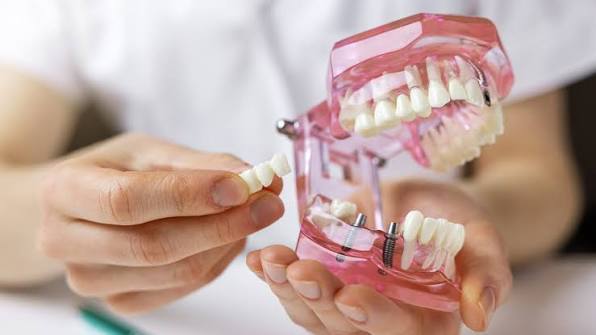
Dental care changes as life unfolds. A cracked premolar from a weekend softball game requires an entirely different conversation than dull, chipped enamel before a wedding. Yet many adults put off appointments simply because dental terminology sounds like a foreign language.
Between restorative procedures that repair structure and cosmetic treatments that improve appearance, deciding what you actually need can feel overwhelming. Understanding the basic mechanics of how teeth are restored versus how they are reshaped helps you walk into a dental operatory ready to ask the right questions.
Structural Repair vs. Aesthetic Refinement
When you sit in the chair, a dentist looks at two primary categories: health and harmony.
Health centers on functional stability. If a tooth has deep decay, a compromised root, or advanced bone loss around its socket, cosmetic fixes are off the table until the foundation is sound. Restorative work saves natural teeth or fills vacant spaces so your bite remains aligned and your jaw stays healthy.
Harmony centers on proportions and visual appeal. If your mouth is completely free of periodontal disease and cavities, but you grind your teeth flat or dislike deep intrinsic stains from childhood antibiotics, your treatment path leans toward cosmetic dentistry.
Both branches work together. Putting a cosmetic shell over active gum disease guarantees failure, while fixing a badly broken front tooth without considering how it matches adjacent teeth creates an awkward smile.
Reshaping Enamel: What Thin Ceramic Shells Can Do
When the root system and inner pulp of a tooth are perfectly healthy, surface imperfections do not require major surgery. Minor gaps, irregular edges, and heavy discoloration respond best to conservative resurfacing.
Porcelain veneers involve removing a minute layer of outer enamel—often less than half a millimeter—to make space for custom-milled ceramic shells. Because porcelain mimics the light-reflecting qualities of natural enamel, it blends seamlessly across the smile zone.
Patients often ask whether they should choose tooth bonding or porcelain shells:
- Direct Composite Bonding: The clinician sculpts resin directly onto the tooth surface. It takes a single visit and costs less upfront, but the resin stains over time and chips more readily against hard foods.
- Custom Porcelain Shells: Fabricated in a dental laboratory, these resist coffee stains, match natural translucency, and hold up against daily wear for a decade or more when maintained properly.
Preparation matters. Once enamel is trimmed, the process is permanent, meaning the tooth will always require a protective layer. Anyone considering veneers in ballwin will spend their preliminary consult with trusted professionals like Dr. Angelina Anisimova assessing bite alignment, jaw clenching habits, and periodontal health to ensure the underlying teeth can support the ceramics.
Replacing the Root: Addressing Missing Teeth
Surface adjustments can only do so much. If a tooth is knocked out, fractured beneath the gumline, or extracted due to advanced infection, the dental priority shifts from appearance to preservation of the jawbone.
Every time you chew, your natural tooth roots stimulate the surrounding alveolar bone. When a tooth goes missing, that bone loses its stimulation and slowly resorbs. Over several years, bone loss can shift neighboring teeth, alter your facial profile, and weaken your bite force.
Traditional bridges solve the cosmetic gap by shaving down two adjacent healthy teeth to suspend an artificial crown between them. While bridges work well, they place extra mechanical stress on otherwise healthy anchor teeth and do nothing to prevent the bone underneath the empty gap from shrinking.
Titanium tooth roots solve this dilemma through osseointegration, a biological process where bone cells fuse directly to a biocompatible metal post. Once integrated, the post acts as an artificial root, capped by an abutment and a custom crown.
Surgical planning requires detailed imaging. Clinicians evaluate bone height, ridge width, and sinus cavities using cone-beam computed tomography before placing hardware. Those consulting specialists for dental implants in san antonio like those at Inspire Dental typically begin with this 3D scan to confirm whether bone grafting is necessary prior to post placement.
Recovery follows a predictable pattern:
- Initial Evaluation and Site Preparation: The doctor extracts remaining fragments, treats surrounding tissues, and adds bone graft material if socket density is thin.
- Surgical Placement: The post enters the jawbone during an outpatient visit under local anesthesia or light sedation.
- Healing Interval: Over three to six months, new bone forms tightly around the titanium threads.
- Final Restoration: A custom ceramic crown is torqued into place, allowing you to floss normally and chew tough foods without shifting.
Daily Habits That Protect Your Treatment
Regardless of whether you choose cosmetic porcelain shells, surgical restorations, or a combination of both, longevity depends on personal home care. Artificial materials cannot get cavities, but the natural teeth and gums supporting them remain vulnerable to plaque and inflammation.
- Address nighttime grinding immediately: Clenching produces hundreds of pounds of pressure per square inch. A simple custom nightguard prevents ceramic fractures and protects implant integration.
- Clean the margins: Plaque gathers where ceramic edges meet the natural gumline. Daily flossing and interdental brushes stop peri-implantitis and marginal decay before they start.
- Avoid using teeth as scissors: Biting clothing tags, chewing ice cubes, or opening plastic packaging creates sharp shearing forces that snap porcelain margins.
A good clinician talks you through the trade-offs, shows you what your jaw looks like beneath the gums, and builds a phased schedule that fits your life.
Have you had to decide between fixing an old tooth or replacing it entirely? Share your questions or personal experiences in the comments below.


Building Sustainable Rental Success With Professional San Antonio Property Management

Cove Lighting and False Ceilings: Creating a Soft, Layered Glow

How Everyday Patients Choose Between Cosmetic Upgrades and Tooth Replacement

A Realistic Guide to Restoring Chipped, Missing, or Worn Teeth

DJARUMTOTO Partnering With Certified Global Software Engineering Studios

On a Bi Parting Wrought Iron Gate the Fence Line Is the Foundation

10 Actionable Steps to Increase Amazon Brand Visibility This Year

Who Keeps the Jackpot? How Gambling Winnings Are Taxed in the US, the UK and Denmark

Safer Aging at Home: A Daily Plan for Mobility, Fall Prevention, and Peace of Mind

Teeth Whitening Options: What Actually Works

BPC-157 UK: A Research-Focused Guide to the Experimental Peptide

Online Gaming and Comedy Gold: Kevin Hart Takes to the (Digital) Stage

Mexico City museums, parks and food markets: a culture-first itinerary

The Goplay711 Difference: Why Live Casino Players Are Switching

ADA Signage: What Every Business Should Know About Interior Signs

Top 6 AI Document Processing Platforms for Enterprise Workflow Automation


Don Toliver Net Worth: Height, Age, Real Name, Career & More
Don Toliver is an American rapper and singer best known for his RIAA platinum certified songs, No Idea and After...


Finesse2tymes Net Worth: Height, Age, Real Name & Career
Finesse2tymes is an American rapper and recording artist. He is mainly recognized for his thunderous voice and motivational lyrics in...


Sugarhill Ddot Net Worth: Height, Age, Real Name & Career
Sugarhill Ddot is an American hip-hop recording artist best known for his songs, Real Facts and I Wanna Love You....


GloRilla Net Worth: Height, Age, Bio, Real Name & Career
GloRilla is an American rapper and hip-hop recording artist from Memphis. She is best known for her popular singles, “Westside...


Destroy Lonely Net Worth: Height, Age, Real Name & Career
Destroy Lonely is an American rapper best known for his 2022 mixtape, No Stylist. He is currently signed to rapper...
-
Rappers2 years ago
GloRilla Net Worth: Height, Age, Bio, Real Name & Career
-

 News2 years ago
Trash To Treasure: Maximizing Space And Efficiency Through Junk Removal
-

 Businessman3 years ago
7 Proven Lead Generation Strategies To Implement in 2023
-
 Businessman2 years ago
Brandon Fugal Net Worth: How Rich is Skinwalker Ranch Owner?
-

 Rappers3 years ago
BigXthaPlug Net Worth: Height, Age, Real Name & Career
-

 TV Stars2 years ago
Kaleb Cooper Net Worth: How Rich is the TV Star Actually?
-

 Internet Stars4 years ago
Mufti Menk Net Worth: How Rich is the Islamic Speaker Actually?
-

 TV Stars2 years ago
Carla Diab Net Worth: How Rich is the TV Star Actually in 2025?
You must be logged in to post a comment Login