
Health
How Alcohol Affects the Brain and Body Over Time

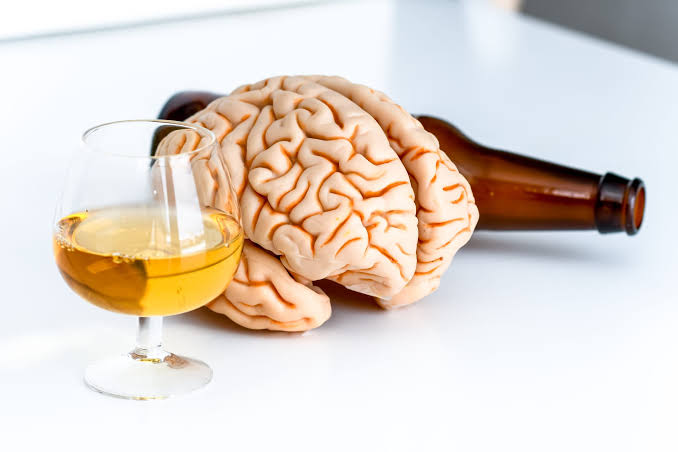
Most people know that drinking too much alcohol is bad for you. But the specifics, what it actually does inside your body and brain, tend to stay fuzzy. That gap between knowing something is harmful and understanding why it is harmful matters more than people realize. When you understand the mechanics, you make different decisions. You also ask better questions if you or someone you care about ever needs help.
This article walks through the science of alcohol’s effects: how it changes brain chemistry within minutes of the first drink, what repeated heavy drinking does to major organs over months and years, how alcohol intersects with mental health conditions, and what the early stages of recovery typically involve. Nothing here is meant to alarm. The goal is honest, clear information.
What Alcohol Does to the Brain Almost Immediately
Alcohol is a central nervous system depressant. That word, depressant, does not mean it makes you sad. It means it slows down the communication between brain cells. Specifically, alcohol enhances the effect of a neurotransmitter called GABA, which inhibits neural activity, while simultaneously suppressing glutamate, which normally excites and activates the brain. The result is the familiar loosening effect: reduced anxiety, lowered inhibitions, slowed reaction time.
At the same time, alcohol triggers a surge of dopamine in the brain’s reward circuits. Dopamine is associated with pleasure and motivation. That surge is a large part of why drinking feels good early on and why the brain starts to associate alcohol with reward. Over time, with repeated drinking, the brain begins to compensate by producing less dopamine naturally and reducing the sensitivity of dopamine receptors. This is one of the core mechanisms behind tolerance and, eventually, dependence.
The prefrontal cortex, the region responsible for judgment, impulse control, and decision-making, is particularly sensitive to alcohol. Even at moderate blood alcohol levels, activity in this region drops significantly. That is why people say things they regret, take risks they would not normally take, or simply fail to read a situation accurately when they have been drinking. It is not a character flaw. It is a predictable neurological effect.
Long-Term Brain Changes from Heavy Drinking
Short-term impairment is temporary. Long-term heavy drinking is a different matter entirely. Chronic alcohol use is associated with measurable changes in brain structure and function. The National Institute on Alcohol Abuse and Alcoholism (NIAAA) reports that heavy drinking can lead to shrinkage of brain tissue, particularly in the frontal lobes and cerebellum, regions tied to higher thinking and coordination.
One condition worth knowing about is Wernicke-Korsakoff syndrome, sometimes called alcohol-related dementia. It is caused by a severe deficiency of thiamine (vitamin B1), which heavy drinkers commonly develop because alcohol interferes with the absorption of this nutrient. Wernicke’s encephalopathy, the acute phase, can involve confusion, vision problems, and loss of muscle coordination. If untreated, it can progress to Korsakoff’s psychosis, a chronic condition marked by severe memory loss and an inability to form new memories. According to the NIAAA, Korsakoff’s psychosis develops in roughly 80 to 90 percent of people who survive Wernicke’s encephalopathy without proper treatment.
The encouraging news is that the brain has significant capacity to heal. Research shows that many cognitive functions recover substantially in the first year of abstinence, with continued improvement over several years. The extent of recovery depends on age, overall health, how long heavy drinking lasted, and whether there are co-occurring conditions.
How Alcohol Affects Major Organs
The brain gets a lot of attention in discussions about alcohol, but other organs bear a serious burden too. Understanding the organ-level effects gives a more complete picture of why sustained heavy drinking shortens lives and reduces quality of life well before it becomes a life-or-death situation.
| Organ | Short-Term Effect | Long-Term Heavy Drinking Effect |
| Liver | Processes roughly one standard drink per hour; excess causes temporary inflammation | Fatty liver, alcoholic hepatitis, cirrhosis, liver failure |
| Heart | Mild drop in blood pressure at low doses | Cardiomyopathy, arrhythmias, increased stroke risk |
| Pancreas | Minimal at moderate intake | Pancreatitis (acute and chronic), increased cancer risk |
| Stomach and GI tract | Irritates stomach lining, slows digestion | Gastritis, bleeding, malabsorption of nutrients |
| Immune system | Slight suppression even after one episode | Chronic immune dysfunction, higher infection susceptibility |
| Bones | Minimal short-term effect | Reduced bone density, increased fracture risk |
The liver deserves special mention because it is the primary organ responsible for metabolizing alcohol. It can process roughly one standard drink per hour. When alcohol arrives faster than the liver can handle it, the excess circulates through the bloodstream and reaches the brain, heart, and other tissues. Over years of heavy drinking, the liver goes through progressive stages of damage. Fatty liver, the first stage, is often reversible with abstinence. Alcoholic hepatitis is more serious and can be life-threatening. Cirrhosis, which involves permanent scarring of liver tissue, is not reversible, though stopping drinking at any stage slows further damage.
The Relationship Between Alcohol and Mental Health
Alcohol and mental health conditions frequently co-occur, and the relationship between them runs in both directions. Some people drink heavily to manage symptoms of depression, anxiety, or trauma. Others develop these conditions as a direct result of heavy drinking. In many cases, both are happening at once.
This bidirectional relationship creates a cycle that is genuinely difficult to interrupt. Alcohol provides short-term relief from anxiety or emotional pain, but because it is a depressant and disrupts sleep architecture, it reliably worsens mood and anxiety over time. The relief shrinks, the symptoms intensify, and the urge to drink increases. According to the Substance Abuse and Mental Health Services Administration (SAMHSA), roughly 9.5 million adults in the United States had both a mental illness and a substance use disorder in 2019.
Sleep disruption is one mechanism that often gets overlooked. Alcohol helps people fall asleep faster, which can make it feel like a sleep aid. But it suppresses REM sleep, the stage most associated with emotional processing and memory consolidation. Poor REM sleep accumulates into chronic fatigue, emotional dysregulation, and cognitive difficulty, each of which can feed back into both heavier drinking and worsening mental health symptoms.
Alcohol Use Disorder: What It Actually Looks Like
Alcohol use disorder (AUD) is a medical diagnosis, not a moral failing. The Diagnostic and Statistical Manual of Mental Disorders (DSM-5) defines it based on a cluster of behavioral and physiological criteria. A person does not need to drink every day to meet the criteria, and many people with moderate to severe AUD hold jobs and maintain relationships for years before the condition becomes externally visible.
The DSM-5 identifies 11 criteria for AUD. Mild AUD is diagnosed when 2 to 3 are present; moderate when 4 to 5 are present; severe when 6 or more apply. Some of the criteria include drinking more than intended, failed attempts to cut back, spending significant time obtaining or recovering from alcohol, strong cravings, continued drinking despite relationship or health problems, and withdrawal symptoms when not drinking.
- Drinking more or longer than intended
- Persistent desire or failed efforts to cut down
- Spending a lot of time drinking or recovering from its effects
- Strong cravings or urges to drink
- Neglecting responsibilities at work, home, or school
- Continuing to drink despite social or interpersonal problems it causes
- Giving up activities that were once important
- Drinking in physically hazardous situations
- Continued use despite knowing it worsens a physical or psychological condition
- Tolerance: needing more to get the same effect
- Withdrawal symptoms when stopping or reducing
Withdrawal from alcohol can be medically serious in ways that withdrawal from many other substances is not. For people with severe dependence, abrupt cessation can cause seizures and a condition called delirium tremens, which carries a mortality risk without medical management. This is one reason why medically supervised detox is often the appropriate starting point for people with significant physical dependence, rather than attempting to stop abruptly on their own.
What Recovery Involves and Why It Varies
Recovery from alcohol use disorder is not a single event. It is a process that unfolds differently for different people depending on the severity of their dependence, their physical and mental health history, their social support, and the type of treatment they receive. There is no single correct path.
Treatment options generally fall into several categories. Medical detox addresses the physical withdrawal process and is often the first step for people with moderate to severe dependence. Residential treatment provides an immersive environment away from triggers and stressors. Outpatient programs allow people to receive structured treatment while living at home. Medication-assisted treatment using FDA-approved medications like naltrexone, acamprosate, or disulfiram can significantly reduce cravings and relapse risk. Behavioral therapies, including cognitive behavioral therapy (CBT) and motivational enhancement therapy, help people identify patterns and develop new coping skills.
If you or someone you know is trying to understand treatment options for alcohol use disorder, contact Silicon Valley Recovery today to speak with someone who can walk through what level of care may be appropriate given the specific situation.
Recovery timelines vary widely. The first few weeks after stopping are often the most physically intense. Months three through twelve tend to bring emotional and psychological challenges as the brain recalibrates. Many people describe their second and third years of sobriety as the period when things begin to feel genuinely different rather than just effortful. That does not mean it is easy. It means that the effort compounds in a positive direction.
Support structures matter enormously in recovery. Peer support groups, sober living arrangements, and strong therapeutic relationships all correlate with better outcomes. A 2020 review published in the journal Alcohol Research found that social support is one of the strongest predictors of sustained recovery across multiple studies. Isolation, by contrast, is one of the most consistent risk factors for relapse.
A Few Things Worth Carrying Forward
Alcohol’s effects on the brain and body are real, measurable, and dose-dependent. The difference between light social drinking and heavy chronic drinking is not just a matter of degree. It is a difference in biological impact across nearly every major system in the body. That said, the human body and brain are more resilient than people often assume. Many of the effects of heavy drinking, including cognitive impairment, liver damage in early stages, and cardiovascular strain, can improve meaningfully when drinking stops and the right support is in place. Understanding the mechanisms is the first step toward making sense of both the problem and the path through it.


Step-by-Step Instructions to Check Winning Numbers on Web Portals

Corporate Gifts for Better Business Brand Promotion Now

Understanding Single-Account Gaming Platforms and Their Benefits

How Pay Per Lead Loan Affiliate Programs Create New Revenue Opportunities

How Changing Rules Could Define the Next Era of Sports Betting Apps

How High-Speed Rail Can Build Stronger Local Economies

Where to Find Pennsylvania’s Best Pizza During National Pizza Month

How to Keep Metal Railings, Fences, and Porches From Rusting Through Chicago Winters

Safer Aging at Home: A Daily Plan for Mobility, Fall Prevention, and Peace of Mind

BPC-157 UK: A Research-Focused Guide to the Experimental Peptide

Teeth Whitening Options: What Actually Works

The Hidden Economics Behind Profitable Commercial Cleaning Startups

Online Gaming and Comedy Gold: Kevin Hart Takes to the (Digital) Stage

Why Wealthy Entrepreneurs Prefer Recurring Revenue Franchises Over Risky Startups

What are the Benefits of Receiving Healthcare Services at Home?

Mr Fog Nova: What to Know About This Modern Vape Option


Don Toliver Net Worth: Height, Age, Real Name, Career & More
Don Toliver is an American rapper and singer best known for his RIAA platinum certified songs, No Idea and After...


Finesse2tymes Net Worth: Height, Age, Real Name & Career
Finesse2tymes is an American rapper and recording artist. He is mainly recognized for his thunderous voice and motivational lyrics in...


Sugarhill Ddot Net Worth: Height, Age, Real Name & Career
Sugarhill Ddot is an American hip-hop recording artist best known for his songs, Real Facts and I Wanna Love You....


GloRilla Net Worth: Height, Age, Bio, Real Name & Career
GloRilla is an American rapper and hip-hop recording artist from Memphis. She is best known for her popular singles, “Westside...


Destroy Lonely Net Worth: Height, Age, Real Name & Career
Destroy Lonely is an American rapper best known for his 2022 mixtape, No Stylist. He is currently signed to rapper...
-
Rappers2 years ago
GloRilla Net Worth: Height, Age, Bio, Real Name & Career
-

 News2 years ago
Trash To Treasure: Maximizing Space And Efficiency Through Junk Removal
-

 Businessman3 years ago
7 Proven Lead Generation Strategies To Implement in 2023
-
 Businessman2 years ago
Brandon Fugal Net Worth: How Rich is Skinwalker Ranch Owner?
-

 Rappers3 years ago
BigXthaPlug Net Worth: Height, Age, Real Name & Career
-

 TV Stars2 years ago
Kaleb Cooper Net Worth: How Rich is the TV Star Actually?
-

 Internet Stars4 years ago
Mufti Menk Net Worth: How Rich is the Islamic Speaker Actually?
-

 TV Stars2 years ago
Carla Diab Net Worth: How Rich is the TV Star Actually in 2025?
You must be logged in to post a comment Login