
Technology
Can a Ceiling Fan Help You Sleep Through Noise? How to Pick the Right One

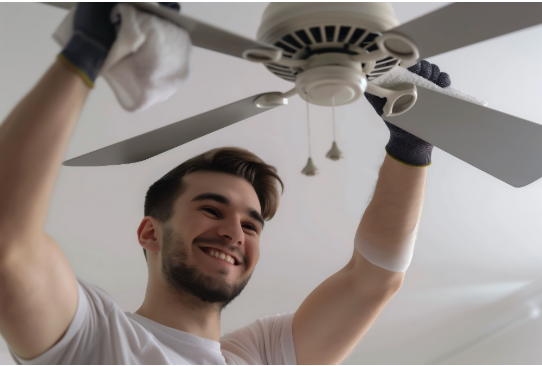
Noise can wreck a good night. A barking dog, a loud street, or a snoring partner can wake you up fast. Most people reach for earplugs. Few think about the fan above the bed. Yet a ceiling fan does more than move air. It also makes a steady, gentle sound. That sound can cover up the little noises that keep you awake. In this guide, you will learn how to use that sound well. You will also learn how to pick a fan that helps instead of hurts.
Why a Fan’s Hum Can Calm a Noisy Room
Sudden sounds wake us up. A steady sound does not. That is the idea behind white noise. It blends many sounds into one soft hush, and a fan makes that hush on its own. Because of this, a slammed car door stands out less at 2 a.m. Still, not every fan sounds the same. Some hum softly. Others click, buzz, or wobble. A noisy fan is worse than no fan at all. So the type you choose matters. If you want a quiet start, browse ceiling fans from Hunter Fan and filter by bedroom use and motor type.
Pick the Right Motor and Size
Motor type is the first thing to check. Hunter explains that DC motors tend to run quieter, with more speed settings. AC motors are reliable and cost-effective. For a light sleeper, DC is often worth the extra money. Size matters too. A fan that is too small must spin fast to move air, and fast blades make more noise. Hunter lists small rooms up to 100 square feet, standard rooms up to 400, and large rooms beyond that. Match your fan to your room, then run it on a low speed.
Check the Little Things That Make Noise
Even a great motor can sound bad if the fan is set up poorly. Loose screws cause rattles. Unbalanced blades cause a wobble and a soft thumping sound. Dust and grime on the blades can add to the imbalance. Hunter suggests a microfiber cloth or a vacuum attachment for dusting. Also, check the mounting bracket when you install the fan. A solid mount keeps the whole unit steady. This is where quality materials pay off. Sturdy metal parts and well-made blades hold their shape for years. Cheap parts bend, loosen, and start to click. Designers often say that durability matters as much as looks, and the same rule applies to your fan.
Set It Up for Better Sleep
Now think about how you run the fan. Start with the direction. Run it counterclockwise in summer for a cooling breeze and clockwise in winter to push warm air down. Next, use a remote or wall control to set a low speed. Low speeds make less sound and less wind on your face. A timer, if your fan has one, can turn it off after you fall asleep. Also, turn off any light kit at bedtime. Dim light helps your body wind down.
Try a One-Week Test
Give your new setup a fair test. Run the fan on low for seven nights. Write down how often you wake up. Then change one thing at a time, such as the speed or the direction. If the sound feels too loud, drop to a lower setting. If you feel too cool, raise the thermostat a little instead of stopping the fan. Small tweaks help you learn what works for your ears and your body. After a week, you will know if the fan is doing its job.
What Sleep Experts Say About Fans
You are not alone if you like a fan at night. In one national survey, 27% of people who call themselves excellent sleepers said they regularly use a fan in the bedroom. Experts also note that sleeping with a fan can help mask outside noise with soft white noise. It can also improve airflow, which helps your body stay comfortable. Of course, a fan is not magic. If a noise is very loud or happens often, you may still need to fix the source. Close your window, add a thick rug, or move your bed away from a noisy wall. A ceiling fan works best as one part of a calm bedroom.
A Quick Checklist Before You Buy
Before you shop, keep this short list in mind. First, measure your room so the size fits. Second, choose a DC motor if quiet matters most. Third, pick a fan with a remote or wall control for easy low speeds. Fourth, look for sturdy build and solid blades. Finally, check that your ceiling is high enough for the mounting style. Hunter says low-profile fans suit low ceilings, while downrod fans move air best on ceilings of eight feet and higher.
Final Thoughts
A ceiling fan can be more than a cooling tool. With the right motor, size, and setup, it becomes a calm, steady sound machine for your bedroom. Take your time when you shop. Test the speeds, keep the blades clean, and fix any rattles early. Soon, those late-night noises may fade into the background. Better sleep often starts with small changes, and your ceiling fan is a great place to begin.


Can a Ceiling Fan Help You Sleep Through Noise? How to Pick the Right One

The Five Numbers That Warn You a Franchise Location Is Struggling

Fixed vs. Flexible Terms: How to Compare an Earning Plan

6 Best Rank Tracking APIs for SEO Teams in 2026

When a European License Makes Sense for an Online Interactive Platform

Chicken Road 2: An In-Depth Review of the New Version of a Cult Crash Game

What a New Roof Does to a Costa Mesa Home’s Value: Appraisal, Insurance and the Numbers Buyers Actually Look At

The ADU as a Peninsula Investment: Build Cost, Rental Math and Resale Value for a Menlo Park Backyard Unit

Best Boneless Sofas 2026: Cloud Comfort & No-Assembly Picks

What Happens After an Arrest? A Guide from Criminal Lawyers in Bankstown

Walking the Legal End of the Estate Executor Journey in Queensland

A Look at the Future of Community-Based Gaming

Your Home is Not Cash: How to Find Your Real Walk-away Net Worth

Your First Gum Measurements: Making Sense Of The Numbers

How Digital Scans Are Replacing Goopy Impressions In Modern Orthodontics

How To Design Useful Empty States For Mobile Apps


Don Toliver Net Worth: Height, Age, Real Name, Career & More
Don Toliver is an American rapper and singer best known for his RIAA platinum certified songs, No Idea and After...


Finesse2tymes Net Worth: Height, Age, Real Name & Career
Finesse2tymes is an American rapper and recording artist. He is mainly recognized for his thunderous voice and motivational lyrics in...


Sugarhill Ddot Net Worth: Height, Age, Real Name & Career
Sugarhill Ddot is an American hip-hop recording artist best known for his songs, Real Facts and I Wanna Love You....


GloRilla Net Worth: Height, Age, Bio, Real Name & Career
GloRilla is an American rapper and hip-hop recording artist from Memphis. She is best known for her popular singles, “Westside...


Destroy Lonely Net Worth: Height, Age, Real Name & Career
Destroy Lonely is an American rapper best known for his 2022 mixtape, No Stylist. He is currently signed to rapper...
-
Rappers2 years ago
GloRilla Net Worth: Height, Age, Bio, Real Name & Career
-

 News3 years ago
Trash To Treasure: Maximizing Space And Efficiency Through Junk Removal
-

 Businessman3 years ago
7 Proven Lead Generation Strategies To Implement in 2023
-
 Businessman2 years ago
Brandon Fugal Net Worth: How Rich is Skinwalker Ranch Owner?
-

 Rappers4 years ago
BigXthaPlug Net Worth: Height, Age, Real Name & Career
-

 TV Stars2 years ago
Kaleb Cooper Net Worth: How Rich is the TV Star Actually?
-

 Internet Stars4 years ago
Mufti Menk Net Worth: How Rich is the Islamic Speaker Actually?
-

 TV Stars2 years ago
Carla Diab Net Worth: How Rich is the TV Star Actually in 2025?
You must be logged in to post a comment Login