
Health
4 Details To Share Before Dental Treatment If You Have Product Allergies Or Sensitivities

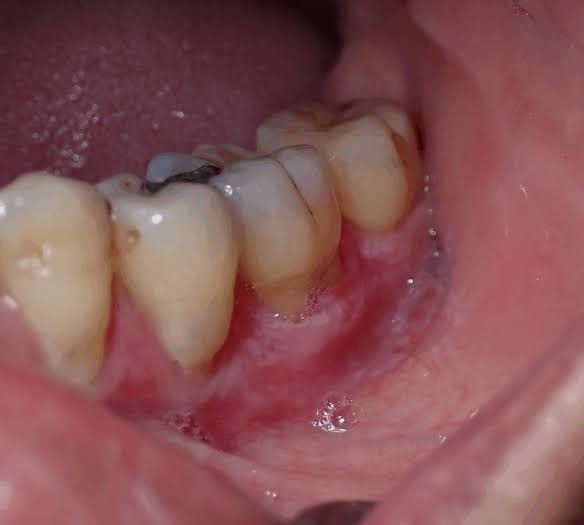
You may already be doing the mental checklist before a dental visit with a dentist in Plymouth. What products will they use, will anything touch your skin or mouth that has caused a reaction before, and will you remember to mention it once you are in the chair? If you have allergies or sensitivities, that stress is real. A routine cleaning or filling can feel less routine when you are worried about hives, swelling, irritation, or a medication problem after the appointment.
The good news is that your dental team can usually adjust materials, gloves, rinses, and medications once they know what you react to. That only works if they get clear details early. Before any visit with a family dentist, share the product names, the type of reaction, the timing, and any past dental issues tied to materials or medicines. Those four details can shape safer choices from the start.
Product allergies can affect more than the treatment itself
Most people think about numbing medicine first, but reactions can come from many sources. Gloves, dental dams, adhesives, impression materials, metals, acrylics, topical gels, mouth rinses, and antibiotics all show up in dental care. If you have ever had a rash from bandages, lip swelling from a cosmetic product, or burning from certain toothpastes, that history matters more than it may seem.
Latex is one of the best known examples. A person with a latex allergy may react to gloves or other dental products that contain natural rubber latex. The symptoms can range from skin irritation to breathing trouble, which is why it helps to review the basics from MedlinePlus on latex allergy before your appointment if latex has ever been an issue for you.
Sensitivities can be harder to describe because they do not always look dramatic. Maybe your mouth felt raw after a whitening product, or a certain flavoring caused stinging that lasted for hours. You might wonder whether that counts. It does. A true allergy and a non allergic sensitivity are not the same medically, but both deserve a place in your chart because both can affect your comfort and your treatment plan.
The first detail is the exact product or material that caused trouble
“I’m allergic to dental stuff” is too broad to be useful. “I reacted to latex gloves, cinnamon flavoring, clindamycin, nickel jewelry, or a denture adhesive” gives your dentist something they can act on. Brand names help. Ingredient lists help. Photos of the package help. If you do not know the exact product, say where you encountered it and what it was used for.
This matters because dental materials overlap with everyday products. A metal sensitivity that shows up with earrings may also matter for crowns or orthodontic parts. The National Institute of Dental and Craniofacial Research offers a helpful overview of dental materials and how they are used, which can make it easier to connect a past reaction to a possible dental source.
The second detail is what your reaction looked and felt like
Say what happened in plain language. Did you get itching, hives, swelling, shortness of breath, nausea, mouth sores, a burning feeling, or a pounding headache? Did the area turn red where the product touched you, or did you feel symptoms throughout your body? Those details help your dentist judge whether this sounds like an allergy, an irritation, or a side effect.
That distinction matters. A mild upset stomach after an antibiotic is not the same as facial swelling or wheezing. Still, both are worth reporting because they can change what gets prescribed next time. If you have ever been told to avoid a medication, write that down exactly as you heard it.
The third detail is when the reaction started and how long it lasted
Timing gives context. Reactions that happen within minutes can point in one direction. Symptoms that show up the next day can point in another. Tell your dentist whether the problem began during treatment, later that evening, or several days after. Include how long it lasted and whether you needed urgent care, an antihistamine, or another treatment.
If you are not sure, estimate. “I noticed lip swelling before I got home” is more helpful than no timeline at all. When your dental team understands the sequence, they can decide whether to avoid a material completely, monitor you more closely, or coordinate with your physician or allergist.
The fourth detail is any past dental reaction or medication concern
If something went wrong during or after a past dental visit, bring it up even if it seemed minor at the time. A rash after a temporary crown, mouth irritation after an impression, or a bad reaction to a prescription after an extraction all belong in the conversation. This is also the place to mention antibiotic concerns. Dentists do prescribe them in some cases, but not every dental problem needs one. The CDC explains when antibiotics may and may not be needed for dental care, which can help you ask better questions if you have had medication reactions before.
| Detail to Share | Too Vague | Useful Version | Why It Helps |
|---|---|---|---|
| Product or material | “I react to some dental products” | “Latex gloves and cinnamon flavored toothpaste caused problems” | Helps the office avoid specific triggers |
| Type of reaction | “It bothered me” | “I had lip swelling, itching, and a rash” | Shows whether it may be allergy, irritation, or side effect |
| Timing | “It happened later” | “Symptoms started within 30 minutes and lasted all day” | Gives clues about the cause |
| Past dental or medication history | “I had a bad appointment once” | “After a filling, the adhesive caused mouth sores, and clindamycin caused severe diarrhea” | Supports safer treatment planning |
Clear communication makes dental treatment safer and less stressful
When you share these details early, your dentist has room to plan. They may switch glove types, choose different materials, avoid certain flavorings, review medication options, or schedule extra time to monitor you. That is the practical value behind sharing allergies before dental treatment. It turns a vague fear into a concrete plan.
Make a written list. Put the trigger, the reaction, and the timing on your phone or on paper. If you know the brand or ingredient, include it. Bring photos if that is easier.
Call before the appointment. Do not wait until you are reclined in the chair. Give the office time to review your chart and prepare alternatives. This is one of the smartest steps for anyone managing dental allergies and sensitivities.
Ask what will be used. If you are getting a procedure, ask about gloves, dental materials, topical products, and prescriptions. A short conversation before treatment can prevent a long problem after it.
You are not being difficult by speaking up. You are giving your dental team the information they need to treat you safely and comfortably. If you have product reactions, medication concerns, or a history that has made you nervous about seeing a dentist, say so early and clearly. Good care starts there.


4 Details To Share Before Dental Treatment If You Have Product Allergies Or Sensitivities

What Is GIFT Nifty and Why Is It Important for Indian Stock Markets?

6 Preventive Steps General Dentists Recommend For Families

Best Boneless Sofas 2026: Cloud Comfort & No-Assembly Picks

California Helmet Law: Rules Every Motorcycle Rider Should Know

Your Home is Not Cash: How to Find Your Real Walk-away Net Worth

Digital Humans: How They Work, Where They Help, And How To Use Them Responsibly

How To Design Useful Empty States For Mobile Apps
Best Boneless Sofas 2026: Cloud Comfort & No-Assembly Picks

Understanding Single-Account Gaming Platforms and Their Benefits

Cove Lighting and False Ceilings: Creating a Soft, Layered Glow

Corporate Gifts for Better Business Brand Promotion Now

Who Keeps the Jackpot? How Gambling Winnings Are Taxed in the US, the UK and Denmark

Inside the Multi-Million Dollar Gaming Economy: How Streamers and Digital Assets Drive the Virtual Currency Boom

Suncoast, Sun City & Montecasino: SA's Big Casinos vs Playing Online (2026)

What to Check Before Connecting Any MCP Server to Your Account


Don Toliver Net Worth: Height, Age, Real Name, Career & More
Don Toliver is an American rapper and singer best known for his RIAA platinum certified songs, No Idea and After...


Finesse2tymes Net Worth: Height, Age, Real Name & Career
Finesse2tymes is an American rapper and recording artist. He is mainly recognized for his thunderous voice and motivational lyrics in...


Sugarhill Ddot Net Worth: Height, Age, Real Name & Career
Sugarhill Ddot is an American hip-hop recording artist best known for his songs, Real Facts and I Wanna Love You....


GloRilla Net Worth: Height, Age, Bio, Real Name & Career
GloRilla is an American rapper and hip-hop recording artist from Memphis. She is best known for her popular singles, “Westside...


Destroy Lonely Net Worth: Height, Age, Real Name & Career
Destroy Lonely is an American rapper best known for his 2022 mixtape, No Stylist. He is currently signed to rapper...
-
Rappers2 years ago
GloRilla Net Worth: Height, Age, Bio, Real Name & Career
-

 News2 years ago
Trash To Treasure: Maximizing Space And Efficiency Through Junk Removal
-

 Businessman3 years ago
7 Proven Lead Generation Strategies To Implement in 2023
-
 Businessman2 years ago
Brandon Fugal Net Worth: How Rich is Skinwalker Ranch Owner?
-

 Rappers4 years ago
BigXthaPlug Net Worth: Height, Age, Real Name & Career
-

 TV Stars2 years ago
Kaleb Cooper Net Worth: How Rich is the TV Star Actually?
-

 Internet Stars4 years ago
Mufti Menk Net Worth: How Rich is the Islamic Speaker Actually?
-

 TV Stars2 years ago
Carla Diab Net Worth: How Rich is the TV Star Actually in 2025?
You must be logged in to post a comment Login