
News
Teeth Whitening Options: What Actually Works

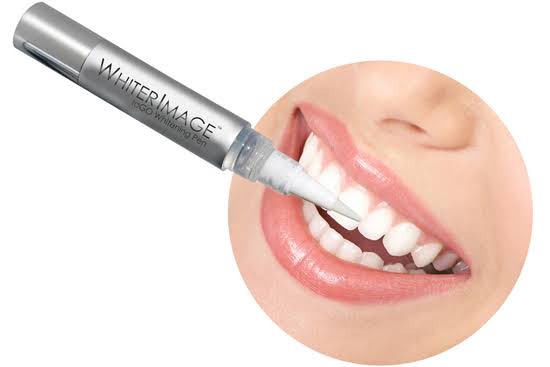
A noticeably brighter smile can change how people carry themselves. Research published in the journal Dentistry Journal found that smile aesthetics rank among the top concerns patients bring up during routine dental visits, often ahead of topics like gum health or bite alignment. Yet for something so widely desired, teeth whitening remains one of the most misunderstood areas of dental care. People spend money on products that underdeliver, skip options that would genuinely help, or use treatments incorrectly and end up with sensitivity that puts them off whitening altogether. This article breaks down how whitening actually works, what the real differences are between your available options, and what factors determine whether you will see meaningful results.
How Tooth Discoloration Happens in the First Place
Before comparing whitening methods, it helps to understand why teeth change color. Discoloration falls into two broad categories: extrinsic and intrinsic. Extrinsic stains sit on or just below the surface of the enamel. Coffee, tea, red wine, and tobacco are classic culprits. These stains respond well to most whitening treatments because the bleaching agent can reach them without needing to penetrate deeply into the tooth structure.
Intrinsic discoloration is a different story. It originates inside the dentin, the layer beneath the enamel. Causes include certain antibiotics taken during childhood (tetracycline is a well-known example), excessive fluoride during tooth development, trauma that causes internal bleeding within the tooth, and natural aging. Intrinsic staining is significantly harder to treat, and some forms of it may not respond to conventional bleaching at all. Knowing which type you are dealing with shapes which whitening route makes sense.
The Science Behind Whitening Agents
Nearly every whitening product, whether it costs five dollars at a drugstore or several hundred at a dental office, relies on one of two active ingredients: hydrogen peroxide or carbamide peroxide. Carbamide peroxide breaks down into hydrogen peroxide when it contacts saliva, so both ultimately work through the same mechanism. The peroxide molecule is small enough to pass through enamel and enter the dentin, where it triggers an oxidation reaction that breaks apart the colored compounds causing discoloration.
The key variables are concentration and contact time. Higher concentrations work faster but require careful management because they can irritate soft tissues and cause temporary tooth sensitivity. Lower concentrations are gentler but need longer or more frequent application to produce comparable results. This is why over-the-counter strips that sit on teeth for 30 minutes daily for two weeks can eventually produce results similar to a short in-office session, though the timelines and intensity of whitening differ considerably.
Comparing Your Main Whitening Options
There are more whitening products available than most people realize, and they vary widely in how they are applied, how long they take, and what results they can realistically produce. The table below summarizes the most common options.
| Method | Active Agent Concentration | Typical Treatment Duration | Sensitivity Risk | Expected Shade Improvement |
| Whitening toothpaste | Low (abrasives + low peroxide or PAP) | Ongoing daily use | Low | 1 to 2 shades (surface stains only) |
| OTC whitening strips | 6% to 10% hydrogen peroxide | 10 to 14 days | Low to moderate | 2 to 4 shades |
| OTC whitening trays | 10% carbamide peroxide | 2 to 4 weeks | Moderate | 3 to 5 shades |
| Take-home trays (dentist-provided) | 10% to 22% carbamide peroxide | 1 to 2 weeks | Moderate | 4 to 8 shades |
| In-office professional whitening | 25% to 40% hydrogen peroxide | 1 to 2 sessions (45 to 90 min each) | Moderate to high | 6 to 10 shades |
These ranges are approximations. Individual results vary based on the original shade of the teeth, the cause of discoloration, enamel thickness, and how consistently the treatment is used. A person with mild extrinsic staining might see dramatic improvement from OTC strips alone. Someone with deeper or intrinsic discoloration may not get satisfying results without professional-grade treatment, or in some cases, may need an alternative approach like veneers.
Over-the-Counter Products: Honest Expectations
Whitening toothpastes are the most widely used category, but they are also the most limited. Most work primarily through mild abrasives that polish surface stains rather than through chemical bleaching. Some newer formulas use phthalimidoperoxycaproic acid (PAP), which whitens without releasing free radicals and tends to produce less sensitivity. Still, the contact time is short since you rinse the paste away quickly, so the whitening effect is modest.
Whitening strips have improved substantially over the past decade. The better products now use PVP-based adhesive technology that keeps the strip in contact with the tooth surface more consistently. Used correctly and consistently, strips from reputable brands can produce results that satisfy many people with mild to moderate staining. The main pitfall is poor fit. Strips are flat and teeth are not, so coverage around the edges and between teeth tends to be uneven.
OTC tray systems fare better on coverage since the tray wraps around the tooth, but the pre-formed trays rarely fit well enough to prevent the gel from migrating onto the gums. Gum irritation is a common complaint. At-home trays provided by a dentist, on the other hand, are custom-fabricated to your specific dental impressions, which keeps the gel where it belongs and allows for higher-concentration formulas to be used safely.
Professional Whitening: What Sets It Apart
Professional whitening, whether done entirely in-office or through dentist-supervised take-home trays, has a few genuine advantages. The concentrations available by prescription far exceed what OTC products can legally offer. A trained provider can also assess the condition of the enamel, identify existing restorations (which do not respond to bleaching), check for any cavities or gum issues that should be addressed before whitening, and manage sensitivity with professional-grade desensitizing agents.
In-office treatments often use light or laser devices alongside the bleaching gel. It is worth noting that the science on light-activated whitening is mixed. A 2017 review in the American Journal of Dentistry found that while light activation can accelerate the initial whitening process, it does not consistently produce better final outcomes compared to gel alone when measured at follow-up. Some dentists continue to use light systems for the speed benefit, particularly for patients who want a single-session result before a specific event.
If you are considering professional whitening and live in the Newport Beach area, you can contact Newport Smile Studio to discuss your specific discoloration type, current dental health, and which whitening approach aligns with your goals and budget.
Managing Sensitivity and Protecting Your Results
Tooth sensitivity during and after whitening is the most common complaint, affecting an estimated 38 percent of patients according to a review published in the Journal of Dental Research. It happens because peroxide temporarily increases the permeability of enamel, allowing temperature and pressure to stimulate the nerves inside the tooth more easily. For most people the sensitivity resolves within 24 to 48 hours of stopping treatment. For some, it lingers longer.
Several strategies reduce sensitivity without sacrificing results.
- Use a toothpaste containing potassium nitrate or stannous fluoride for two weeks before starting whitening. Both ingredients desensitize nerve endings within the tooth.
- Choose lower-concentration formulas applied over a longer period rather than rushing with higher concentrations.
- Limit treatment sessions to the recommended frequency; skipping a day between applications gives the enamel time to remineralize.
- Avoid very hot or cold foods and drinks for 24 to 48 hours after each whitening session.
- Ask a dentist about fluoride varnishes or prescription desensitizing gels applied after treatment.
Protecting results after whitening requires some lifestyle awareness. The same habits that caused staining before will cause it again. Coffee and tea are two of the biggest offenders, not because of their color alone but because they are slightly acidic, which temporarily softens enamel and makes it more susceptible to staining. Rinsing with water after consuming these drinks helps. Avoiding tobacco, which causes some of the most persistent staining, is obvious but worth stating. Most whitening results last between six months and two years depending on diet, oral hygiene, and whether touch-up treatments are used.
When Whitening Is Not the Right Answer
Whitening works on natural tooth enamel. It does not change the color of crowns, veneers, bonding material, or fillings. If you have visible restorations on your front teeth, whitening the surrounding natural teeth can actually create a color mismatch that looks worse than the original discoloration. A dentist can help you plan the sequence: whiten first, then replace any visible restorations to match the new, lighter shade.
Severe intrinsic staining, particularly from tetracycline antibiotics, often does not respond adequately to bleaching. In these cases, porcelain veneers or composite bonding may produce far better and more predictable cosmetic outcomes. The same applies to teeth that appear discolored because of very thin enamel, where whitening the enamel layer may not produce the visual change the patient is hoping for.
Getting a realistic picture of what whitening can and cannot do for your specific teeth is arguably the most valuable step you can take before spending money on any treatment. That conversation, ideally with a dentist who can examine your teeth directly, tends to save both time and disappointment. Whitening remains one of the most accessible and cost-effective cosmetic dental treatments available, but its success depends entirely on choosing the right method for the right type of discoloration.


Common Household Pests and How to Control Them

How Trauma Therapy Works: Methods, Timelines & What to Expect

How Alcohol Affects the Brain and Body Over Time

How to Find the Right Mental Health Provider for Your Family

Teeth Whitening Options: What Actually Works

BPC-157 UK: A Research-Focused Guide to the Experimental Peptide

How Do Free Credits and VIP Tier Upgrades Work on GoPlay711?

The Goplay711 Difference: Why Live Casino Players Are Switching

Listed Price or Tier Price? Finding the Point Where Waiting Pays Off

How Much Money Does Clash of Clans Actually Make?

From Municipal Clinics to Private HMOs: How Defendant Categorization Shapes What a Family Can Recover

How Much Do NFL & NBA Stars Actually Bet? The Real Numbers

NFL’s Richest Stars vs. The Texas Casino Ban

Brahim Díaz – A Journey Of Remarkable Growth In 2026

Earrings for Men: The Complete Style Guide to Wearing Studs and Hoops in 2026

The Difference Between a Soft Floral and a Fresh Floral Fragrance


Don Toliver Net Worth: Height, Age, Real Name, Career & More
Don Toliver is an American rapper and singer best known for his RIAA platinum certified songs, No Idea and After...


Finesse2tymes Net Worth: Height, Age, Real Name & Career
Finesse2tymes is an American rapper and recording artist. He is mainly recognized for his thunderous voice and motivational lyrics in...


Sugarhill Ddot Net Worth: Height, Age, Real Name & Career
Sugarhill Ddot is an American hip-hop recording artist best known for his songs, Real Facts and I Wanna Love You....


GloRilla Net Worth: Height, Age, Bio, Real Name & Career
GloRilla is an American rapper and hip-hop recording artist from Memphis. She is best known for her popular singles, “Westside...


Destroy Lonely Net Worth: Height, Age, Real Name & Career
Destroy Lonely is an American rapper best known for his 2022 mixtape, No Stylist. He is currently signed to rapper...
-
Rappers2 years ago
GloRilla Net Worth: Height, Age, Bio, Real Name & Career
-

 News2 years ago
Trash To Treasure: Maximizing Space And Efficiency Through Junk Removal
-

 Businessman3 years ago
7 Proven Lead Generation Strategies To Implement in 2023
-
 Businessman2 years ago
Brandon Fugal Net Worth: How Rich is Skinwalker Ranch Owner?
-

 Rappers3 years ago
BigXthaPlug Net Worth: Height, Age, Real Name & Career
-

 TV Stars2 years ago
Kaleb Cooper Net Worth: How Rich is the TV Star Actually?
-

 Internet Stars4 years ago
Mufti Menk Net Worth: How Rich is the Islamic Speaker Actually?
-

 TV Stars2 years ago
Carla Diab Net Worth: How Rich is the TV Star Actually in 2025?
You must be logged in to post a comment Login