
News
Common Household Pests and How to Control Them

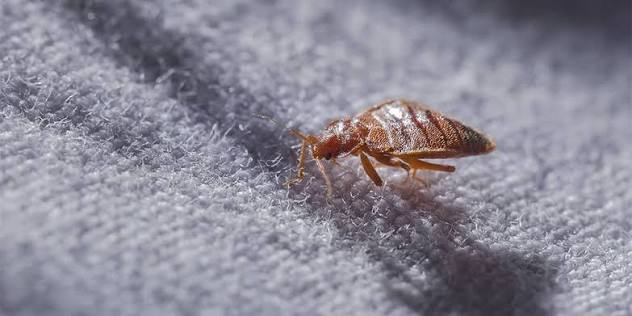
Most homes deal with pests at some point. Ants show up around the kitchen, spiders build webs in quiet corners, or mice find a way into the garage when temperatures drop. Some pests are mainly a nuisance, but others can contaminate food, damage property, or become harder to control once they settle in.
The best way to deal with household pests is to identify what you are facing and remove the conditions helping them survive. Spraying whatever you see may provide short-term relief, but lasting control usually requires a mix of cleaning, sealing entry points, reducing moisture, and using the right treatment for the pest.
Start With Correct Pest Identification
Different pests need different control methods. Treating ants like cockroaches or using the same plan for mice and insects can waste time without solving the real problem.
Pay attention to where you see activity, what time of day it occurs, and what evidence is left behind. Droppings, shed skins, damaged food packaging, webs, gnaw marks, mud tubes, and insect trails can all help narrow down the pest.
Homeowners looking into pest control boise after repeated pest activity should first determine whether they are dealing with a few pests entering from outdoors or an established infestation inside the home. That difference affects the type of treatment, how much work is needed, and whether follow-up visits make sense.
Taking a clear photo or saving a pest specimen can help with identification. The more accurate the identification, the easier it becomes to target the source instead of treating symptoms.
Ants
Ants are among the most common pests found inside homes. They often enter kitchens, bathrooms, and laundry areas while searching for food or water. A small number of ants can quickly turn into a steady trail once workers establish a route between the colony and a food source.
Cleaning visible ants can help temporarily, but it usually does not affect the colony. Follow the trail and look for cracks around windows, doors, plumbing lines, and baseboards. Clean food residue, wipe down sticky surfaces, and store pantry items in sealed containers.
Baits can work well for many ant problems since worker ants carry the material back to the colony. Avoid spraying repellent products directly around bait stations, since this can cause ants to avoid the area.
Outdoor ant activity matters too. Nests close to the foundation, irrigation areas, or landscaping can create repeated indoor problems. Reducing moisture and sealing entry points can make indoor control more effective.
Cockroaches
Cockroaches prefer warm, dark places close to food and water. Kitchens, bathrooms, utility rooms, and areas behind appliances are common hiding spots. Seeing one cockroach does not always mean a major infestation, but repeated sightings deserve attention.
Look for small dark droppings, egg cases, shed skins, and activity around sinks or appliances. Cockroaches often hide in cracks during the day and become active after dark.
Sanitation plays a major role in control. Clean grease from appliances, remove food crumbs, take garbage out regularly, and repair dripping faucets. Pet food should not be left out overnight in areas with active cockroach problems.
Baits and targeted treatments usually work better than repeatedly spraying open surfaces. Larger infestations can require follow-up visits since egg cases and hidden insects may survive the first treatment.
Mice and Rats
Rodents can enter homes through surprisingly small gaps. Garages, crawl spaces, attics, utility openings, and gaps around doors are common entry areas.
Signs include droppings, gnaw marks, scratching sounds, damaged food packaging, and shredded nesting material. Rodents are often most active at night, which is why many homeowners hear them before seeing them.
Traps can reduce indoor populations, but trapping alone may not solve the problem. New rodents can enter if exterior openings remain accessible. Check around pipes, vents, garage doors, rooflines, and foundation gaps.
Do not seal an active opening until you know rodents are no longer using it. Closing the wrong hole at the wrong time can trap animals inside walls or attics. The best plan combines removal with carefully timed exclusion work.
Spiders
Most spiders found indoors are there because other insects are available as food. That means frequent spider activity can sometimes point to a broader insect problem.
Webs often appear near windows, ceiling corners, garages, exterior lights, and storage areas. Vacuuming webs and egg sacs can reduce visible activity. Keeping storage areas less cluttered removes some of the quiet hiding places spiders prefer.
Outside, trim vegetation that touches the house and reduce insects gathering near doors and windows. Exterior lighting can attract flying insects, which can then attract spiders.
Sealing cracks and repairing damaged screens can reduce the number entering the home. If spiders repeatedly return to the same areas, look for the insects they may be feeding on.
Termites
Termites are different from many household pests since they can remain hidden for long periods. They feed on cellulose and may damage structural wood before homeowners notice obvious signs.
Watch for mud tubes along foundations, discarded wings, damaged wood, and swarmers indoors. Wood affected by termites may sound hollow or show galleries beneath the surface.
Do not rely on surface sprays for a suspected termite problem. Termite colonies can extend well beyond the visible area and require treatments designed around the species and structure.
Moisture control can help lower risk. Repair plumbing leaks, address drainage problems, and avoid leaving wood or soil in direct contact with vulnerable parts of the home.
Bed Bugs
Bed bugs can enter homes through luggage, furniture, clothing, and other belongings. They are not caused by poor housekeeping and can appear in almost any type of home.
Common signs include bites, dark spotting, shed skins, eggs, and live insects around beds or upholstered furniture. Mattress seams, headboards, bed frames, and nearby cracks are good places to inspect.
Avoid moving infested furniture from room to room. This can spread bed bugs into areas that were previously unaffected. Washing and drying suitable items at high temperatures can help as part of a larger treatment plan.
Bed bugs can be difficult to eliminate without a structured treatment process. Follow-up inspections may be needed to check for newly hatched insects or remaining activity.
Fleas
Fleas often enter homes on pets, though wildlife around the property can contribute too. Adults live on animals, but eggs and immature stages can develop in carpets, furniture, bedding, and floor cracks.
Treating the pet without addressing the home can allow the problem to continue. Vacuum carpets and upholstered furniture frequently, wash pet bedding, and follow veterinary flea-control recommendations for animals.
Vacuuming can remove eggs, larvae, and debris that support developing fleas. Empty the vacuum outside after cleaning an active infestation.
Flea activity can continue for a period after treatment as immature stages complete their development. A planned follow-up may be needed rather than assuming one treatment should remove every flea immediately.
Pantry Pests
Small beetles, moths, and other insects can infest flour, cereal, rice, pasta, spices, nuts, and pet food. The first sign is often insects inside cabinets or small larvae in packaged food.
Find the source before treating the cabinet. Inspect opened and unopened dry goods carefully. Infested products should be discarded in a sealed bag.
Vacuum shelves and cabinet corners to remove food particles and insects. Store replacement foods in tight containers rather than thin bags or cardboard boxes.
Spraying pantry shelves without removing the contaminated food rarely solves the problem. The infestation often returns from the original package.
Flies and Drain Flies
Flies can reproduce quickly when they have access to food waste or organic material. Kitchens, garbage areas, drains, recycling containers, and pet areas are common sources.
The type of fly matters. Fruit flies often breed around produce, sugary residue, and fermenting material. Drain flies can develop in organic buildup inside plumbing drains.
Cleaning the breeding source is more useful than killing individual adult flies. Scrub drains where needed, remove spoiled food, clean recycling containers, and keep garbage covered.
If flies keep returning despite cleaning, inspect less obvious areas. A forgotten spill, damaged drain, dead animal, or hidden organic material can keep a population going.
Moisture Is Often Part of the Problem
Many household pests depend on water. Ants, cockroaches, termites, and other insects can benefit from damp conditions around a home.
Check underneath sinks, near washing machines, around water heaters, and inside crawl spaces. Slow leaks are easy to overlook but can support pest activity for months.
Outside, inspect irrigation lines and drainage around the foundation. Water should not remain pooled next to exterior walls. Gutters and downspouts should move water away from the structure.
Fixing moisture problems can make other pest-control methods more effective. It also helps remove one of the main resources pests need to survive.
Seal the Ways Pests Get Inside
A home does not need an obvious hole for pests to enter. Insects can use tiny cracks, and rodents can squeeze through openings that appear surprisingly small.
Inspect exterior doors, window frames, vents, siding, utility lines, pipes, and the garage. Replace damaged door sweeps and repair torn screens.
Different openings need different repair materials. Rodents can chew through many soft fillers, so larger gaps may require metal mesh, flashing, or another durable material.
Outside maintenance helps too. Keep tree branches from touching the roof where practical, move firewood away from exterior walls, and avoid allowing heavy vegetation to cover the foundation.
Common Pest Control Mistakes
One of the biggest mistakes is reacting only to the pest you can see. Ten ants on a countertop may be connected to a colony containing thousands of ants. A single mouse may have entered through an opening that other rodents can use.
Another mistake is mixing several pest products at once. Sprays, baits, powders, and repellents can interfere with each other. Applying more product does not always produce better control.
Avoid ignoring sanitation and maintenance problems. Treatment has a harder job when pests still have food, water, shelter, and easy access to the house.
It is also a mistake to assume every pest problem needs the same level of response. A few occasional spiders are different from active termites or rodents nesting inside a wall.
When Professional Pest Control Makes Sense
Many minor pest problems can improve through cleaning, exclusion, moisture correction, and targeted treatment. Other situations deserve professional attention sooner.
Consider arranging an inspection if you notice:
- Repeated pest activity after home treatments
- Rodent droppings or noises inside walls and ceilings
- Termite mud tubes, swarmers, or damaged wood
- Bed bug evidence around sleeping areas
- Pest activity spreading into several rooms
A professional inspection can help identify where pests are coming from and why they continue returning. This is particularly useful when several treatments have already failed.
Take Action Before a Small Pest Problem Spreads
Most pest infestations are easier to control in the early stages. Pay attention to droppings, insect trails, gnaw marks, damaged wood, unusual smells, shed skins, and repeated sightings.
Start by identifying the pest and looking for the conditions supporting it. Remove food and water sources, repair leaks, clean problem areas, and close entry points where appropriate. Use treatments designed for the pest rather than applying products randomly.
If the same pest keeps returning or you find signs of rodents, termites, bed bugs, or a larger infestation, arrange a more detailed inspection. Finding the source early can prevent a manageable pest issue from becoming a much bigger problem.


Common Household Pests and How to Control Them

How Trauma Therapy Works: Methods, Timelines & What to Expect

How Alcohol Affects the Brain and Body Over Time

How to Find the Right Mental Health Provider for Your Family

Teeth Whitening Options: What Actually Works

BPC-157 UK: A Research-Focused Guide to the Experimental Peptide

How Do Free Credits and VIP Tier Upgrades Work on GoPlay711?

The Goplay711 Difference: Why Live Casino Players Are Switching

Listed Price or Tier Price? Finding the Point Where Waiting Pays Off

How Much Money Does Clash of Clans Actually Make?

From Municipal Clinics to Private HMOs: How Defendant Categorization Shapes What a Family Can Recover

How Much Do NFL & NBA Stars Actually Bet? The Real Numbers

NFL’s Richest Stars vs. The Texas Casino Ban

Brahim Díaz – A Journey Of Remarkable Growth In 2026

Earrings for Men: The Complete Style Guide to Wearing Studs and Hoops in 2026

The Difference Between a Soft Floral and a Fresh Floral Fragrance


Don Toliver Net Worth: Height, Age, Real Name, Career & More
Don Toliver is an American rapper and singer best known for his RIAA platinum certified songs, No Idea and After...


Finesse2tymes Net Worth: Height, Age, Real Name & Career
Finesse2tymes is an American rapper and recording artist. He is mainly recognized for his thunderous voice and motivational lyrics in...


Sugarhill Ddot Net Worth: Height, Age, Real Name & Career
Sugarhill Ddot is an American hip-hop recording artist best known for his songs, Real Facts and I Wanna Love You....


GloRilla Net Worth: Height, Age, Bio, Real Name & Career
GloRilla is an American rapper and hip-hop recording artist from Memphis. She is best known for her popular singles, “Westside...


Destroy Lonely Net Worth: Height, Age, Real Name & Career
Destroy Lonely is an American rapper best known for his 2022 mixtape, No Stylist. He is currently signed to rapper...
-
Rappers2 years ago
GloRilla Net Worth: Height, Age, Bio, Real Name & Career
-

 News2 years ago
Trash To Treasure: Maximizing Space And Efficiency Through Junk Removal
-

 Businessman3 years ago
7 Proven Lead Generation Strategies To Implement in 2023
-
 Businessman2 years ago
Brandon Fugal Net Worth: How Rich is Skinwalker Ranch Owner?
-

 Rappers3 years ago
BigXthaPlug Net Worth: Height, Age, Real Name & Career
-

 TV Stars2 years ago
Kaleb Cooper Net Worth: How Rich is the TV Star Actually?
-

 Internet Stars4 years ago
Mufti Menk Net Worth: How Rich is the Islamic Speaker Actually?
-

 TV Stars2 years ago
Carla Diab Net Worth: How Rich is the TV Star Actually in 2025?
You must be logged in to post a comment Login