
News
Safer Aging at Home: A Daily Plan for Mobility, Fall Prevention, and Peace of Mind

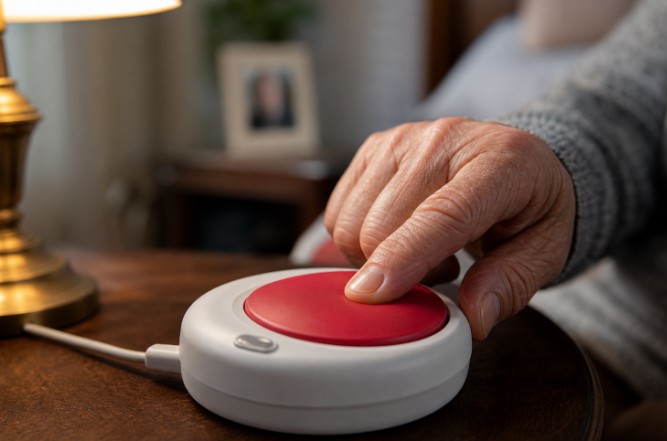
Growing older at home can remain both practical and fulfilling when safety is built into ordinary routines. A few thoughtful changes, such as better lighting, a clear path to the bathroom, and an easy way to contact help, can make a home feel more manageable. For some households, an alert button may be part of a broader plan to reach a family member, neighbor, or emergency responder when help is needed.
The most effective approach is personal. A home should support the individual’s mobility, vision, hearing, health conditions, daily habits, and desire for privacy. Rather than changing everything at once, focus first on the places and activities that cause the most difficulty or concern.
Why Daily Routines Matter
A familiar routine can make the day easier to navigate. A simple schedule creates regular opportunities for meals, movement, rest, medication, and contact with other people. It also helps caregivers notice changes, such as skipped meals, missed appointments, or new fatigue.
For example, an older adult might schedule errands, walks, and appointments during daylight hours, then reserve the evening for dinner, a favorite show, reading, and preparing for the next day. The schedule should remain flexible enough to accommodate weather, pain, illness, or low-energy days.
Start With Home Safety
A room-by-room review can reveal simple improvements without requiring a major renovation. The National Institute on Aging offers home safety tips for older adults that emphasize lighting, secure flooring, handrails, and bathroom supports.
- Remove boxes, cords, shoes, and small furniture from walking paths.
- Secure loose rugs with non-slip backing, or remove rugs that slide or curl.
- Use brighter bulbs in hallways, stairways, kitchens, entrances, and bathrooms.
- Place night lights between the bed and the bathroom.
- Keep glasses, phones, water, and mobility aids within easy reach.
- Store frequently used and heavier items between waist and shoulder height.
If mobility or health needs have changed, an occupational therapist or other qualified clinician may suggest individualized home modifications.
Reduce Fall Risks Room by Room
Bathroom
Wet floors and awkward reaching can make bathrooms challenging. Keep the floor dry, use non-slip surfaces, and place toiletries where they can be reached without excessive bending. Grab bars should be properly installed in locations that provide stable support. A shower seat may help someone who becomes tired or unsteady while bathing.
Kitchen
Keep everyday dishes, pans, and food items in lower cabinets or easy-to-reach shelves. Clean spills promptly, use good task lighting near counters and the stove, and avoid standing on chairs or unstable stools to reach high items.
Bedroom and Hallways
Maintain a direct, uncluttered route from the bed to the bathroom. A bedside lamp should be reachable before standing up. Keep clothing and slippers off the floor, and make changes in floor height easier to see with good lighting and visual contrast.
Build Safe Movement Into the Day
Movement does not need to mean an intense workout. Short walks, gentle stretching, and clinician-approved strength or balance activities may support comfort and confidence. The CDC recommends several steps that help prevent falls, including reviewing medicines, checking vision, improving home safety, and doing exercises that strengthen the legs and improve balance.
- Take brief indoor or outdoor walks when conditions are safe.
- Break up long stretches of sitting with a few minutes of movement.
- Practice standing up from a sturdy chair only when appropriate support is nearby.
- Discuss new pain, dizziness, weakness, or recent falls with a healthcare professional before starting a new exercise routine.
Create an Emergency Plan
An emergency plan works best when it is short, easy to find, and understood by the people involved. Keep a written list of medications, allergies, health conditions, healthcare contacts, and emergency numbers in a known location.
- Choose two or three trusted people who can check in quickly.
- Keep a charged phone or communication device nearby.
- Make sure the home address is visible from the street.
- Discuss what to do after a fall, power outage, severe storm, or medical concern.
- Plan for situations where the person cannot reach a phone or explain what happened.
After a fall, avoid rushing to stand if there may be an injury. Call for help when possible and seek medical guidance when needed, especially after a fall with pain, a head strike, or repeated near-falls.
Use Technology Wisely
Technology can support a safety plan, but it should not create frustration or replace human contact. Useful options may include large-button phones, medication reminders, motion-activated lighting, video calling, and emergency communication devices.
Before choosing a tool, ask whether it is easy to charge and operate, whether it works inside and outside the home, who receives an alert, what happens if the user cannot respond, and whether a caregiver can assist with setup or maintenance.
Support Nutrition and Medication Habits
Regular meals, adequate fluids when medically appropriate, and a consistent medication routine can make daily life more predictable. Keep an up-to-date medication list in one easy-to-find place. A written schedule, pill organizer, or approved reminder system may help, but medication changes should always be discussed with a doctor or pharmacist.
Stay Social and Mentally Active
Safety includes emotional well-being. Regular calls, shared meals, hobbies, library programs, faith communities, and safe outings can provide structure and connection. Family members should offer support respectfully, to add confidence rather than make someone feel watched or controlled.
Review the Plan Often
Review the home and routine every few months, and sooner after a fall, hospitalization, medication change, or noticeable decline in mobility. More stumbles, missed medications, spoiled food, unusual clutter, difficulty with stairs, or withdrawal from favorite activities may signal that the plan needs updating. One concern does not automatically mean a person must leave home, but it does justify a calm conversation and fresh assessment.
Common Questions
When should home safety changes begin?
Early changes are often easier than urgent changes after an injury. Start with low-cost steps, including clearing paths, improving lighting, and making frequently used items easier to reach.
Can someone stay independent while accepting help?
Yes. Help with transportation, meals, errands, home adjustments, or check-ins can make it easier to continue meaningful daily activities safely.
Are safety devices a replacement for care?
No. Devices can support communication during an emergency, but they do not replace healthcare, home repairs, regular check-ins, or professional care when it is needed.
Conclusion
Safer aging at home does not require changing everything at once. A clear walkway, a brighter hallway, a steady routine, and a practical emergency plan can make a meaningful difference. By regularly reviewing their needs and accepting support when it helps, older adults can protect their independence while continuing to enjoy the comfort and familiarity of home.


Preparing a New Development for Its First Occupants: The Final Steps Before Handover

Safer Aging at Home: A Daily Plan for Mobility, Fall Prevention, and Peace of Mind

Understanding Annual Maintenance, Custody, and DP Charges in Your Demat App and Trading Account

What Turns a Karaoke Room Into a Premium Product

How Celebrities Actually Move Their Money: Inside the Payment Methods the Rich Prefer

Direct Baccarat Website – Discover Modern Baccarat Gameplay Options

Exploring Social Tournament Prize Pool Structures

What are the Benefits of Receiving Healthcare Services at Home?

How Much Money Does Clash of Clans Actually Make?

How Much Do NFL & NBA Stars Actually Bet? The Real Numbers

NFL’s Richest Stars vs. The Texas Casino Ban

Brahim Díaz – A Journey Of Remarkable Growth In 2026

Earrings for Men: The Complete Style Guide to Wearing Studs and Hoops in 2026

What to Know About Drunk Driving Accident Claims in McAllen

The Difference Between a Soft Floral and a Fresh Floral Fragrance

Aetna 2027 Medicare Advantage Plans: What Seniors Need to Know


Don Toliver Net Worth: Height, Age, Real Name, Career & More
Don Toliver is an American rapper and singer best known for his RIAA platinum certified songs, No Idea and After...


Finesse2tymes Net Worth: Height, Age, Real Name & Career
Finesse2tymes is an American rapper and recording artist. He is mainly recognized for his thunderous voice and motivational lyrics in...


Sugarhill Ddot Net Worth: Height, Age, Real Name & Career
Sugarhill Ddot is an American hip-hop recording artist best known for his songs, Real Facts and I Wanna Love You....


GloRilla Net Worth: Height, Age, Bio, Real Name & Career
GloRilla is an American rapper and hip-hop recording artist from Memphis. She is best known for her popular singles, “Westside...


Destroy Lonely Net Worth: Height, Age, Real Name & Career
Destroy Lonely is an American rapper best known for his 2022 mixtape, No Stylist. He is currently signed to rapper...
-
Rappers2 years ago
GloRilla Net Worth: Height, Age, Bio, Real Name & Career
-

 News2 years ago
Trash To Treasure: Maximizing Space And Efficiency Through Junk Removal
-

 Businessman3 years ago
7 Proven Lead Generation Strategies To Implement in 2023
-
 Businessman2 years ago
Brandon Fugal Net Worth: How Rich is Skinwalker Ranch Owner?
-

 Rappers3 years ago
BigXthaPlug Net Worth: Height, Age, Real Name & Career
-

 TV Stars2 years ago
Kaleb Cooper Net Worth: How Rich is the TV Star Actually?
-

 Internet Stars4 years ago
Mufti Menk Net Worth: How Rich is the Islamic Speaker Actually?
-

 TV Stars2 years ago
Carla Diab Net Worth: How Rich is the TV Star Actually in 2025?
You must be logged in to post a comment Login