
Articles
7 Warning Signs Your Home’s Sewer Line Needs Attention

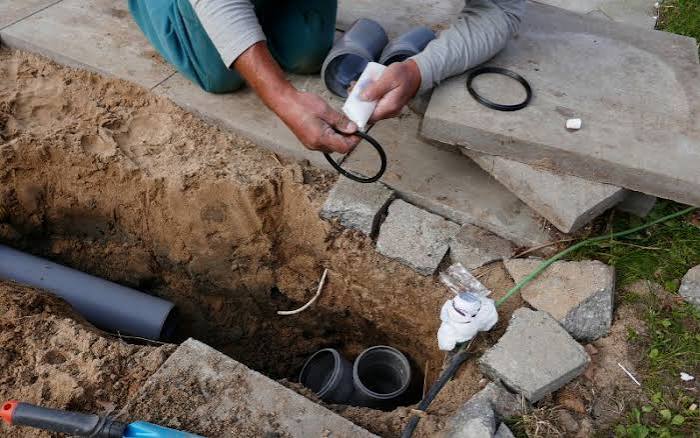
Most homeowners are familiar with the occasional clogged sink or slow shower drain. These are irritating, but they are also problems people tend to understand. A little hair gets caught in the shower drain, food or grease finds its way into the kitchen sink, and suddenly the water is taking far too long to disappear.
A sewer line problem is different.
The sewer line carries wastewater away from the home, so when something goes wrong with it, several plumbing fixtures can start behaving strangely at the same time. What initially looks like a blocked toilet or slow drain may actually be a warning that the main line needs attention.
Ignoring those signs can lead to sewage backing up into the house, unpleasant odours, water damage and much more disruptive repairs. Fortunately, there are several clues homeowners can watch for before the situation becomes an emergency.
1. Several Drains Become Slow at the Same Time
One slow drain does not automatically mean there is a sewer problem. A blockage in a bathroom sink, shower or kitchen drain is often limited to that particular branch of the plumbing system.
The situation becomes more concerning when multiple fixtures start draining slowly around the same time.
For example, you might notice that the kitchen sink takes longer to empty while the bathtub is also draining slowly and the toilet seems to be flushing differently. When several unrelated fixtures begin showing symptoms, the restriction may be further down the system where their drainage lines meet.
Pay attention to whether the problem is isolated or happening throughout the house. That small distinction can provide an important clue about where the blockage is located.
2. Your Toilet Starts Gurgling
A toilet shouldn’t normally make strange noises when other plumbing fixtures are being used.
If the toilet gurgles when the washing machine drains, the bathtub is emptied or a nearby sink is running, air may be moving through the plumbing because wastewater is having difficulty travelling through the sewer line.
A gurgling toilet can also occur alongside slow drains or occasional water movement in another fixture. When these symptoms appear together, repeatedly flushing the toilet and hoping the noise disappears is unlikely to solve the underlying issue.
It is worth paying attention to when the gurgling happens. Keeping track of which fixtures are running when the noise occurs can help a plumber determine whether the problem is local or connected to the main drainage system.
3. Water Comes Back Up Somewhere Else
One of the clearest signs of a larger drainage problem is wastewater appearing somewhere it shouldn’t.
Imagine running the washing machine and noticing water rising in the bathtub. Or flushing a toilet and seeing water move in a shower drain. These situations can occur because several fixtures share the same main drainage route.
The lowest drains in the home can be particularly revealing because wastewater may have nowhere else to go when a main line is restricted.
If wastewater is backing up, avoid repeatedly running water through the plumbing until the cause is understood. Continuing to use toilets, washing machines, showers and sinks can add more water to an already restricted system.
4. You Notice a Persistent Sewer Smell
A strange smell coming from a drain is easy to dismiss, particularly if it disappears after cleaning the sink or shower.
Persistent sewage odours, however, should not simply become part of the background of the house.
A healthy drainage system is designed to keep sewer gases away from living areas. If an unpleasant sewage-like smell repeatedly comes from drains or other plumbing areas, there could be a drainage problem, damaged pipe or another issue that needs investigation.
The smell may become particularly noticeable after heavy water use or when several fixtures are operating.
Don’t try to cover the odour with air fresheners and assume the problem is solved. A fragrance can hide a symptom without addressing the reason it is happening.
5. Your Yard Looks Different Around the Sewer Line
Not every sewer problem announces itself inside the house.
Sometimes the first clues appear outside.
An unusually wet patch of ground, an area of grass growing much faster than the surrounding lawn or persistent unpleasant smells in the yard can indicate that wastewater is escaping from a damaged or compromised sewer line.
Tree roots can also become a problem. Roots naturally seek sources of water, and small openings or joints in older sewer pipes can provide an attractive route. Over time, root intrusion can restrict the flow through the line and contribute to recurring blockages. R Stud Plumbing specifically notes root intrusion as one of the causes they investigate when Jacksonville sewer lines repeatedly back up.
If you notice unexplained changes in the ground around where the sewer line runs, it is worth having the area assessed rather than simply repairing the lawn and moving on.
6. The Same Blockage Keeps Returning
Perhaps the most frustrating plumbing problem is one that appears to be fixed but returns a few weeks or months later.
You clear the drain, everything works normally for a while, and then the same problem comes back.
Repeated blockages can have several causes. There may be grease or debris accumulating inside the line, root intrusion, a damaged section of pipe, an offset joint or another restriction that a basic clearing does not fully address.
This is why simply clearing the immediate blockage may not always be enough. If the same line repeatedly causes problems, finding out why it keeps happening can save considerable frustration.
A sewer camera inspection can be useful in recurring cases because it allows a professional to see conditions inside the pipe rather than relying only on symptoms. R Stud Plumbing recommends camera inspection when backups have become a recurring problem.
7. The Problem Gets Worse When the Whole House Uses Water
Another useful warning sign is a problem that becomes noticeably worse when several fixtures are being used.
You might find that the drains work reasonably well during a quiet morning but struggle when someone is taking a shower while the washing machine is running. Or perhaps the toilet starts gurgling whenever a large amount of water enters the drainage system.
That pattern can indicate that the system is struggling to move wastewater away from the property quickly enough.
A home’s plumbing system has many interconnected parts, so looking at each fixture separately can sometimes miss the bigger picture. When several fixtures react to the same event, the main sewer line becomes one of the areas worth investigating.
Sewer Cleaning Isn’t the Same as Clearing a Sink
It’s useful to understand the difference between an ordinary drain blockage and a sewer-line problem.
A drain cleaning job may involve clearing a kitchen sink, bathroom drain or shower line serving a particular fixture. Sewer cleaning deals with the larger line that carries wastewater away from the property.
R Stud Plumbing describes the main sewer as the line serving the whole house, while lateral lines connect individual sections of the plumbing system. When multiple fixtures are affected, identifying which part of the system is restricted is an important part of the diagnosis.
That distinction also explains why pouring another bottle of drain cleaner into one sink may not solve a problem affecting the entire house.
What Causes Sewer Lines to Block?
There isn’t one universal reason for a sewer blockage.
Grease, wipes and other materials can accumulate inside the pipe. Tree roots can enter through joints or damaged areas. Older pipes can develop cracks, offsets or other structural problems. Even a line that has worked reliably for years can eventually develop an issue.
The location and condition of the pipe matter, which is why professional diagnosis can be more useful than repeatedly treating the symptoms.
In Jacksonville, homes can vary considerably in age and construction, so the appropriate approach can differ from one property to another. R Stud Plumbing says its equipment is matched to the size and condition of the residential line rather than using the same approach for every job.
What Happens During Professional Sewer Cleaning?
The exact process depends on the type and location of the blockage, but the first step is understanding what is happening.
A plumber may ask which fixtures are affected, when the problem started and whether there have been previous backups. They can then identify the appropriate access point and use professional clearing equipment to remove the obstruction.
Once the line is open, checking the fixtures again is important. A successful clearing should restore normal flow rather than simply make one drain appear better temporarily.
If the blockage keeps returning, additional investigation may be recommended. A camera inspection can reveal conditions such as roots, cracks, offsets, bellies or accumulated debris inside the line.
When Should You Call for Help?
There is a difference between a mildly slow sink and wastewater coming back into the house.
If several fixtures are affected, sewage is backing up, a toilet repeatedly gurgles or the same blockage keeps returning, it is sensible to have the problem assessed rather than waiting for a complete failure.
For Jacksonville homeowners who need professional help, sewer cleaning in jacksonville fl can address main-line and lateral blockages and help determine why a sewer problem is occurring in the first place. R Stud Plumbing’s Jacksonville service includes professional clearing equipment and camera inspection when recurring backups require further diagnosis.
A Little Attention Can Prevent a Major Mess
Nobody wants to discover a sewer problem when guests are arriving, the washing machine is full or the bathroom is already in use. Yet many serious backups provide warning signs beforehand.
Slow drains, gurgling toilets, recurring blockages, sewer smells and unexplained changes in the yard are all worth noticing. None of these symptoms automatically means that a sewer line has failed, but together they can provide valuable information about what is happening beneath the surface.
The most useful approach is not to panic over every strange plumbing noise, but to recognise patterns. When the same problem keeps returning or several fixtures begin behaving differently at once, it is time to look beyond the individual drain.
A functioning sewer line is easy to take for granted. Paying attention to the warning signs can help keep it that way.


7 Warning Signs Your Home’s Sewer Line Needs Attention

Why Custom T-Shirts Are the Smartest Brand Investment You Can Make

Preparing a New Development for Its First Occupants: The Final Steps Before Handover

Safer Aging at Home: A Daily Plan for Mobility, Fall Prevention, and Peace of Mind

Understanding Annual Maintenance, Custody, and DP Charges in Your Demat App and Trading Account

What Turns a Karaoke Room Into a Premium Product

How Celebrities Actually Move Their Money: Inside the Payment Methods the Rich Prefer

Direct Baccarat Website – Discover Modern Baccarat Gameplay Options

How Much Money Does Clash of Clans Actually Make?

How Much Do NFL & NBA Stars Actually Bet? The Real Numbers

NFL’s Richest Stars vs. The Texas Casino Ban

Brahim Díaz – A Journey Of Remarkable Growth In 2026

Earrings for Men: The Complete Style Guide to Wearing Studs and Hoops in 2026

What to Know About Drunk Driving Accident Claims in McAllen

The Difference Between a Soft Floral and a Fresh Floral Fragrance

Aetna 2027 Medicare Advantage Plans: What Seniors Need to Know


Don Toliver Net Worth: Height, Age, Real Name, Career & More
Don Toliver is an American rapper and singer best known for his RIAA platinum certified songs, No Idea and After...


Finesse2tymes Net Worth: Height, Age, Real Name & Career
Finesse2tymes is an American rapper and recording artist. He is mainly recognized for his thunderous voice and motivational lyrics in...


Sugarhill Ddot Net Worth: Height, Age, Real Name & Career
Sugarhill Ddot is an American hip-hop recording artist best known for his songs, Real Facts and I Wanna Love You....


GloRilla Net Worth: Height, Age, Bio, Real Name & Career
GloRilla is an American rapper and hip-hop recording artist from Memphis. She is best known for her popular singles, “Westside...


Destroy Lonely Net Worth: Height, Age, Real Name & Career
Destroy Lonely is an American rapper best known for his 2022 mixtape, No Stylist. He is currently signed to rapper...
-
Rappers2 years ago
GloRilla Net Worth: Height, Age, Bio, Real Name & Career
-
 News2 years ago
Trash To Treasure: Maximizing Space And Efficiency Through Junk Removal
-

 Businessman3 years ago
7 Proven Lead Generation Strategies To Implement in 2023
-
 Businessman2 years ago
Brandon Fugal Net Worth: How Rich is Skinwalker Ranch Owner?
-

 Rappers3 years ago
BigXthaPlug Net Worth: Height, Age, Real Name & Career
-

 TV Stars2 years ago
Kaleb Cooper Net Worth: How Rich is the TV Star Actually?
-

 Internet Stars4 years ago
Mufti Menk Net Worth: How Rich is the Islamic Speaker Actually?
-

 TV Stars2 years ago
Carla Diab Net Worth: How Rich is the TV Star Actually in 2025?
You must be logged in to post a comment Login