
News
How High-Speed Rail Can Build Stronger Local Economies

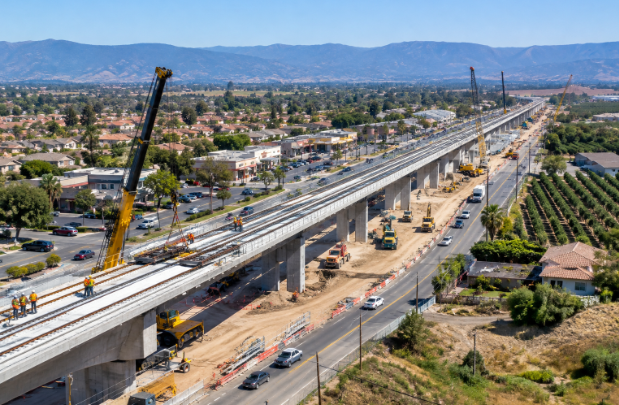
High-speed rail can do more than reduce travel time between major cities. When it is planned around people, businesses, and neighborhoods, it can help communities build skills, attract customers, and connect residents to a wider range of opportunities. Companies involved in large infrastructure work, including Tutor Perini, illustrate the scale of coordination required to turn major transportation investments into lasting local value.
The economic results are not automatic. Construction activity may bring an early boost, but long-term benefits depend on reliable service, accessible stations, thoughtful land use, and policies that help current residents participate in the gains.
Why Rail Projects Matter to Local Economies
Transportation shapes how workers reach jobs, how visitors reach local attractions, and how businesses connect with customers and suppliers. A major rail project can generate activity before passenger service begins through design, surveying, construction, materials purchasing, and professional services. After opening, the strongest results usually come from combining fast rail service with local buses, walkable streets, housing, and commercial spaces near stations.
Construction Creates More Than Temporary Work
Building rail infrastructure requires construction crews, engineers, electricians, equipment operators, safety specialists, surveyors, inspectors, and project managers. It also creates demand for trucking, equipment repair, food service, lodging, office support, and material suppliers. In February 2026, the California High-Speed Rail Authority reported that its project had created more than 16,400 construction jobs and generated nearly $25 billion in statewide economic impact and growth, demonstrating how large projects can affect regional economies even as work is underway.
Job totals alone do not tell the full story. Communities should also consider wages, benefits, worker safety, access to training, retention, and whether entry-level positions lead to durable careers.
When nearby residents can qualify for project work, more public spending can circulate through local households and businesses. Pre-apprenticeship programs, union training, community colleges, and paid work experience can create pathways into skilled trades without requiring a four-year degree.
A Practical Local-Hiring Checklist
- Publish job requirements in plain language before hiring begins.
- Offer training that matches upcoming roles and safety requirements.
- Coordinate with schools, unions, workforce centers, and community organizations.
- Track hiring by neighborhood, city, county, and income group where appropriate.
- Report retention, advancement, and completion rates alongside new-hire totals.
Local Hiring Keeps More Value in the Region
When nearby residents can qualify for project work, more public spending can circulate through local households and businesses. Pre-apprenticeship programs, union training, community colleges, and paid work experience can create pathways into skilled trades without requiring a four-year degree.
A Practical Local-Hiring Checklist
- Publish job requirements in plain language before hiring begins.
- Offer training that matches upcoming roles and safety requirements.
- Coordinate with schools, unions, workforce centers, and community organizations.
- Track hiring by neighborhood, city, county, and income group where appropriate.
- Report retention, advancement, and completion rates alongside new-hire totals.
Small Businesses Can Join the Supply Chain
Rail projects need more than large prime contractors. Local firms may provide materials, hauling, landscaping, catering, security, design, repair, technology, and administrative support. Yet smaller firms can face barriers such as bonding requirements, insurance costs, complicated bid documents, and delayed payments.
Agencies and contractors can improve access by breaking suitable work into smaller bid packages, sharing procurement schedules early, holding plain-language vendor workshops, setting dependable payment timelines, and encouraging mentoring relationships between established contractors and emerging firms.
Station Areas Can Become Business Hubs
Stations can support restaurants, shops, hotels, offices, and cultural venues when riders can safely and conveniently reach nearby destinations. Sidewalks, shade, lighting, bike facilities, clear signs, and practical transfers to local transit matter as much as the station building itself.
Community concerns should guide this planning. A 2026 report on Merced residents seeking more input on station planning highlighted interest in quality jobs, affordable housing, retail activity, and meaningful participation. A station alone cannot guarantee prosperity if it is disconnected from neighborhoods or local development plans.
Tourism, Jobs, and Regional Access
Faster rail service can make day trips, weekend visits, conferences, and regional events easier to plan. That can increase spending at hotels, restaurants, museums, entertainment venues, and local transportation providers. Smaller cities benefit most when they market their own attractions and give visitors a reason to stay, rather than serving only as a stop between larger destinations.
Rail can also expand a worker’s practical job search area. This is most useful when fares are affordable, schedules are dependable, stations are accessible, and local buses, shuttles, bike routes, and parking options solve the first-mile and last-mile connection.
Growth Must Include Existing Residents
New investment can also bring disruption, traffic, rising rents, and pressure on long-standing small businesses. Cities can reduce these risks by planning for affordable housing, offering business support programs, adopting local hiring standards, and monitoring displacement indicators near stations. Public meetings should be held at accessible times and locations, with updates available in the languages commonly used in the community.
Sustainability and Accountability
Rail can support lower-emission travel when it replaces some car and air trips, but construction still requires land, energy, materials, and public funding. The economic and environmental case is strongest when planners evaluate both the benefits and the tradeoffs openly.
A useful community scorecard should track local jobs, average wages, worker retention, small-business awards, new businesses near stations, housing costs, ridership by neighborhood, travel-time savings, and responses to public concerns.
Common Questions
Does high-speed rail create jobs only during construction?
No. Construction is the first employment wave, while operations, maintenance, safety, customer service, engineering, and station management can support longer-term roles.
Can rail development raise housing costs?
Improved access can increase demand near stations. Housing policy, tenant protections, and early community planning can help reduce displacement risks.
What makes a station economically successful?
Frequent service, easy transfers, walkability, safety, nearby housing, varied businesses, and sustained local planning all contribute to success.
Conclusion
High-speed rail can strengthen local economies when it is treated as more than a transportation project. Local hiring, small-business access, connected station areas, affordable housing strategies, and transparent reporting can help ensure that the benefits are visible in everyday community life.


How High-Speed Rail Can Build Stronger Local Economies

Where to Find Pennsylvania’s Best Pizza During National Pizza Month

How to Keep Metal Railings, Fences, and Porches From Rusting Through Chicago Winters

How an Edit Stays Useful After the Face Paste Stops Impressing Anyone

The Digital Gaming Compass: Navigating a World of Sports, Slots, and Lottery

ADA Signage: What Every Business Should Know About Interior Signs

Coinspaid Dev’s Alexey Tulia on Who Answers for AI Agents in Production
How Mexican carriers connect the US and Mexico: Routes, hubs and what to expect

Safer Aging at Home: A Daily Plan for Mobility, Fall Prevention, and Peace of Mind

BPC-157 UK: A Research-Focused Guide to the Experimental Peptide

Teeth Whitening Options: What Actually Works

The Hidden Economics Behind Profitable Commercial Cleaning Startups

Online Gaming and Comedy Gold: Kevin Hart Takes to the (Digital) Stage

Why Wealthy Entrepreneurs Prefer Recurring Revenue Franchises Over Risky Startups

What are the Benefits of Receiving Healthcare Services at Home?

Mr Fog Nova: What to Know About This Modern Vape Option


Don Toliver Net Worth: Height, Age, Real Name, Career & More
Don Toliver is an American rapper and singer best known for his RIAA platinum certified songs, No Idea and After...


Finesse2tymes Net Worth: Height, Age, Real Name & Career
Finesse2tymes is an American rapper and recording artist. He is mainly recognized for his thunderous voice and motivational lyrics in...


Sugarhill Ddot Net Worth: Height, Age, Real Name & Career
Sugarhill Ddot is an American hip-hop recording artist best known for his songs, Real Facts and I Wanna Love You....


GloRilla Net Worth: Height, Age, Bio, Real Name & Career
GloRilla is an American rapper and hip-hop recording artist from Memphis. She is best known for her popular singles, “Westside...


Destroy Lonely Net Worth: Height, Age, Real Name & Career
Destroy Lonely is an American rapper best known for his 2022 mixtape, No Stylist. He is currently signed to rapper...
-
Rappers2 years ago
GloRilla Net Worth: Height, Age, Bio, Real Name & Career
-

 News2 years ago
Trash To Treasure: Maximizing Space And Efficiency Through Junk Removal
-

 Businessman3 years ago
7 Proven Lead Generation Strategies To Implement in 2023
-
 Businessman2 years ago
Brandon Fugal Net Worth: How Rich is Skinwalker Ranch Owner?
-

 Rappers3 years ago
BigXthaPlug Net Worth: Height, Age, Real Name & Career
-

 TV Stars2 years ago
Kaleb Cooper Net Worth: How Rich is the TV Star Actually?
-

 Internet Stars4 years ago
Mufti Menk Net Worth: How Rich is the Islamic Speaker Actually?
-

 TV Stars2 years ago
Carla Diab Net Worth: How Rich is the TV Star Actually in 2025?
You must be logged in to post a comment Login