
Health
6 Preventive Steps General Dentists Recommend For Families

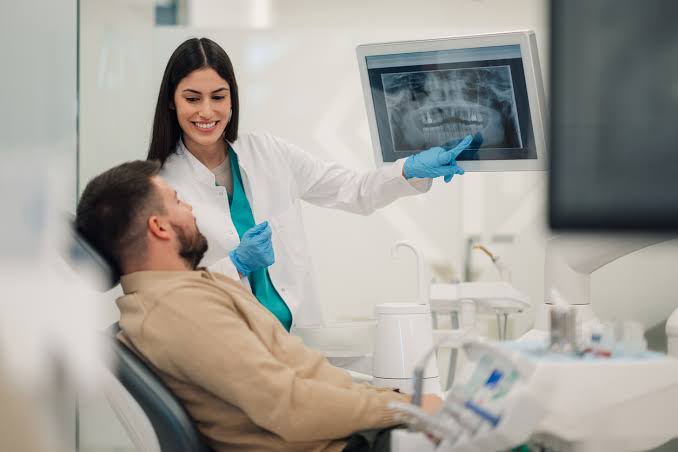
You are probably juggling school forms, sports schedules, groceries, and a hundred small messes, and somewhere in the middle of that, dental care can slip into the category of “we’ll deal with it later.” That is how small problems turn into painful ones. A skipped brushing session becomes plaque, plaque becomes decay, and a child who seemed fine last month suddenly needs urgent treatment. Families do not need perfection. They need habits that work in real life, a plan that protects both baby teeth and adult teeth, and a trusted general dentist who catches trouble early, including access to laser dentistry in Denton, TX.
The good news is that prevention is usually simple, cheaper than repair, and easier on everyone in the house. These family dental prevention tips come up again and again because they lower the risk of cavities, gum problems, and avoidable dental visits.
Daily oral hygiene habits prevent the problems families usually regret later
The first step is the one most people know and still struggle to keep consistent. Brush twice a day with fluoride toothpaste and floss once a day. That sounds basic until you are trying to get a tired seven year old through bedtime or remind a teenager who says they already brushed at school. Consistency matters more than intensity. A rushed, random routine leaves food and plaque sitting along the gumline, which is where irritation starts.
Fluoride helps strengthen enamel and lowers the chance that early weak spots turn into full cavities. The National Institute of Dental and Craniofacial Research offers a practical guide to oral hygiene basics that families can actually use. If your child resists brushing, timing songs, using a reward chart, or brushing together often works better than repeated warnings.
Regular dental checkups catch small issues before they become expensive
Many parents wait until someone complains of pain. Pain is late. By the time a tooth hurts, decay may already be deep enough to need a filling, pulp treatment, or extraction. Routine exams and cleanings give your dentist a chance to spot weak enamel, early cavities, crowding, inflamed gums, and habits like grinding or thumb sucking before they create larger problems.
This is where preventive dental care for families saves money as much as it saves teeth. A cleaning and exam cost far less than restorative work. They also spare your child the stress of sitting through a longer procedure when a shorter visit could have prevented it.
Smart food and drink choices reduce cavity risk throughout the day
What your family eats matters, but timing matters too. Frequent snacking, juice sipping, sports drinks, and sticky sweets feed cavity causing bacteria over and over. Teeth do not get much recovery time when sugar keeps showing up every couple of hours. Even crackers and dried fruit can cling to teeth and fuel decay.
Water is usually the best default drink between meals. Milk can be a good choice with meals. Sugary drinks should be limited, and bedtime bottles or sippy cups with anything other than water raise the risk of decay fast, especially in young children. The CDC shares useful oral health tips for children that support these habits at home.
Sealants and fluoride treatments add protection where brushing misses
Molars have deep grooves that love to trap food and bacteria. Even kids who brush well often miss those spots. Dental sealants cover those grooves and make them easier to keep clean. Fluoride varnish or other professional fluoride treatments help strengthen enamel, especially for children with a history of cavities or families who are still getting routines in place.
This step often gets overlooked because nothing looks wrong yet. That is exactly when prevention works best. If your child has had one cavity already, your dentist may recommend extra protection sooner rather than later.
Early care for babies and young children shapes lifelong oral health
Some parents assume baby teeth are temporary, so problems there do not matter much. They do. Baby teeth help with speech, chewing, comfort, and space for adult teeth. Early decay can affect sleep, school, nutrition, and confidence. Wiping infants’ gums, brushing as soon as the first tooth appears, and scheduling early dental visits create a much easier path later on.
The Health Resources and Services Administration explains oral health guidance for young children in a clear way, especially for parents trying to sort out what care should look like in the first few years.
Mouthguards and habit checks protect teeth from avoidable damage
Cavities are not the only threat. Sports injuries, teeth grinding, nail biting, chewing ice, and using teeth to open packages can all lead to chips, cracks, and jaw pain. If your child plays contact sports, a mouthguard is not extra. It is basic protection. If someone in your home wakes up with jaw soreness or headaches, grinding may be part of the picture.
A general dental care routine should include a quick check for these patterns, because damage from habits often builds slowly and then shows up all at once.
Prevention works best when families combine home care with professional care
| Preventive Step | At Home | With a General Dentist | Likely Benefit |
|---|---|---|---|
| Brushing and flossing | Twice daily brushing, daily flossing | Technique coaching, product guidance | Less plaque, fewer cavities, healthier gums |
| Diet control | Limit sugary drinks and frequent snacks | Risk review based on cavity history | Lower acid attacks on enamel |
| Routine checkups | Track symptoms and habits | Exams, cleanings, X rays when needed | Early detection, lower treatment costs |
| Fluoride | Use fluoride toothpaste | Fluoride varnish or treatment | Stronger enamel, reduced decay risk |
| Sealants | Keep molars clean | Seal deep grooves in back teeth | Extra protection in hard to reach areas |
| Injury prevention | Use mouthguards, avoid damaging habits | Fit checks and damage assessment | Fewer chips, cracks, and trauma visits |
Small changes now make family dental health easier to manage
Build one simple routine. Pick two nonnegotiables for the whole household, usually brushing every morning and every night. Keep floss picks, kid friendly timers, and fluoride toothpaste where people will actually use them.
Change the snack pattern. Cut back on constant grazing and swap sugary drinks for water more often. If sweets happen, serving them with meals is usually easier on teeth than stretching them across the day.
Schedule preventive visits before there is a problem. Put routine dental appointments on the calendar the same way you handle school physicals or haircuts. That one move removes the guesswork and keeps prevention from turning into emergency care.
Family dental care does not need to feel heavy or complicated. A few steady habits, regular checkups, and early action when something looks off go a long way. If your household has fallen out of rhythm, you are not alone, and you do not need to fix everything at once. Start with the next brushing, the next better drink choice, the next appointment. That is how prevention becomes normal.


6 Preventive Steps General Dentists Recommend For Families

Best Boneless Sofas 2026: Cloud Comfort & No-Assembly Picks

California Helmet Law: Rules Every Motorcycle Rider Should Know

Your Home is Not Cash: How to Find Your Real Walk-away Net Worth

Digital Humans: How They Work, Where They Help, And How To Use Them Responsibly

How To Design Useful Empty States For Mobile Apps

Top SEO Agencies for Automotive Brands in Australia

Hurt at Work? A Second Claim Might Cover Pain Comp Ignores

Understanding Single-Account Gaming Platforms and Their Benefits

Cove Lighting and False Ceilings: Creating a Soft, Layered Glow

Where to Find Pennsylvania’s Best Pizza During National Pizza Month

Corporate Gifts for Better Business Brand Promotion Now

Who Keeps the Jackpot? How Gambling Winnings Are Taxed in the US, the UK and Denmark

Inside the Multi-Million Dollar Gaming Economy: How Streamers and Digital Assets Drive the Virtual Currency Boom

Suncoast, Sun City & Montecasino: SA's Big Casinos vs Playing Online (2026)

What to Check Before Connecting Any MCP Server to Your Account


Don Toliver Net Worth: Height, Age, Real Name, Career & More
Don Toliver is an American rapper and singer best known for his RIAA platinum certified songs, No Idea and After...


Finesse2tymes Net Worth: Height, Age, Real Name & Career
Finesse2tymes is an American rapper and recording artist. He is mainly recognized for his thunderous voice and motivational lyrics in...


Sugarhill Ddot Net Worth: Height, Age, Real Name & Career
Sugarhill Ddot is an American hip-hop recording artist best known for his songs, Real Facts and I Wanna Love You....


GloRilla Net Worth: Height, Age, Bio, Real Name & Career
GloRilla is an American rapper and hip-hop recording artist from Memphis. She is best known for her popular singles, “Westside...


Destroy Lonely Net Worth: Height, Age, Real Name & Career
Destroy Lonely is an American rapper best known for his 2022 mixtape, No Stylist. He is currently signed to rapper...
-
Rappers2 years ago
GloRilla Net Worth: Height, Age, Bio, Real Name & Career
-

 News2 years ago
Trash To Treasure: Maximizing Space And Efficiency Through Junk Removal
-

 Businessman3 years ago
7 Proven Lead Generation Strategies To Implement in 2023
-
 Businessman2 years ago
Brandon Fugal Net Worth: How Rich is Skinwalker Ranch Owner?
-

 Rappers4 years ago
BigXthaPlug Net Worth: Height, Age, Real Name & Career
-

 TV Stars2 years ago
Kaleb Cooper Net Worth: How Rich is the TV Star Actually?
-

 Internet Stars4 years ago
Mufti Menk Net Worth: How Rich is the Islamic Speaker Actually?
-

 TV Stars2 years ago
Carla Diab Net Worth: How Rich is the TV Star Actually in 2025?
You must be logged in to post a comment Login