
News
How Paparazzi Actually Track Down Famous People’s Addresses

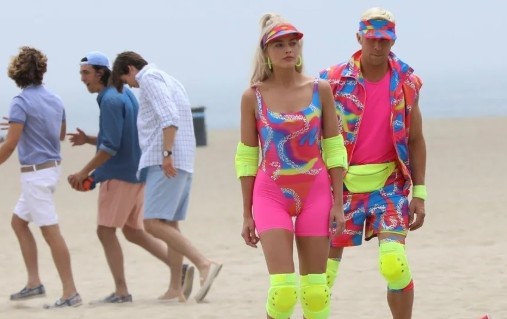
Those flawless candid shots in celebrity magazines—the supermarket dash, the sunrise coffee stop, the low-key walk around the block—almost never land by luck. They come from a repeatable mix of traditional investigative habits and newer digital research. Once you see the pattern, it becomes clear that much of the workflow is open to anyone who invests the effort.
The Old-School Foundation Still Works
Long before mobile apps and searchable databases, photographers depended on people. Informal tip networks held celebrity tracking together. Front-desk workers, restaurant hosts, trainers, and even laundry shops passed along details—sometimes for cash, sometimes to keep a relationship alive. Experienced shooters treated a handful of reliable contacts in the right trades as more valuable than any gadget.
That idea still holds. The difference is how quickly a lead now moves. What once needed hours to chase can put a team in motion in minutes. Human sources remain essential; they simply sit on a faster pipeline.
Open records have always mattered as well. Deeds, corporate filings, vehicle records, and court files are legally available to anyone who knows how to request them. Seasoned entertainment reporters spent years learning which clerks cooperated and which paid databases paid off. That know-how still counts, even as more of the same material turns up in online searches.
How Modern Research Has Changed the Game
Digital research has opened doors that insiders once guarded. Reporters, investigators, and private individuals can use people-search services that bundle public records almost instantly. If you need to search for someone’s current address by name, tools like ScraperCity combine multiple public datasets and deliver what used to take days of manual work only a few years back.
The same platforms show up in many fields: real-estate teams confirm ownership, lawyers locate people for service of process, and collectors use them for skip tracing. Infrastructure built for those professional jobs is also available to anyone seeking a person through lawful channels.
Paparazzi learned early that an address is never a lone fact. It ties into licenses, LLC paperwork, voter rolls, and utility records. Matching several signals produces a sturdier picture than one file ever could.
Social Media Is Doing Half the Work for You
Public figures leak location clues without meaning to. A hotel photo names the city. A restaurant tag shrinks the map to a neighborhood. Repeat habits—the same café, gym, or dog park—surface if you watch an account over weeks.
Agencies assign staff solely to scan social feeds for those signals. They study photo backgrounds, check geotags when they exist, and follow people who meet the celebrity in real life. An assistant’s story can reveal more than the star’s own posts.
Commercial social-listening products meant for brand tracking get reused in this work too. If you are doing B2B research or prospecting and want a sense of the broader people-search landscape, this guide to people search engines breaks down what’s available across different use cases and how the tools compare.
What Legitimate Journalists Do Differently
Tabloid photographers and entertainment reporters do not work the same way. Serious journalists rarely camp outside residences. They go through publicists, grow long-term sources, and earn trust from industry people who volunteer information.
They still rely on the same public-record stack. Knowing a residence, business ties, and property holdings often supplies context for a story—even when none of it is printed. Checking background is routine in careful reporting.
Ethics turn on purpose and method. Consulting a public file is not the same as tailing someone home. Printing an address is not the same as confirming one for verification. Most professionals keep that line clear, even when the software matches what a tabloid shooter might open.
Why This Matters Beyond Celebrity Culture
How people get located online now matters for anyone who thinks about their own digital trail. Databases that help find a celebrity also assemble ordinary residents. Removing yourself from data brokers, watching public-record exposure, and being careful with profile details are practical habits.
Plenty of other personal data is collected in ways people rarely expect. If you’re trying to take a more intentional approach to your health data, daily habits, and personal wellness decisions, a resource like this fertility awareness and daily wellness guide offers a useful framework for thinking about how personal patterns – tracked thoughtfully and privately – can actually serve you rather than just be mined by someone else.
The same systems that feed celebrity coverage now shape information flow for everyone. Understanding them is not only about locating an address. It reshapes how you view your own visibility—and what it means to be easy to find.


Why social casinos are rising and how High 5 Casino sets the standard

The Evolution of Test Cricket: Adapting the Longest Format to the Modern Era

Data and Analytics in Cricket: How Advanced Stats Are Shaping Match Predictions

From Local Tournaments to Global Franchises: The Rise and Impact of T20 Leagues

Mastering the Pitch: Understanding How Surface Conditions and Pitch Reading Impact Match Outcomes

The Mental Game in Cricket: Key Strategies for Maintaining Focus and High Performance Under Pressure

Iconic Cricket Rivalries and Historic Moments That Reshaped International Sports

The Foundations of Cricket: Core Rules and Mechanics

Mexico City museums, parks and food markets: a culture-first itinerary

Online Gaming and Comedy Gold: Kevin Hart Takes to the (Digital) Stage

Top 6 AI Document Processing Platforms for Enterprise Workflow Automation

How Bigger Match Payouts Actually Change FC 27 Weekend Prep

How an Edit Stays Useful After the Face Paste Stops Impressing Anyone

ADA Signage: What Every Business Should Know About Interior Signs

10 Tools To Build Visibility in AI-Driven Answers in 2026

What Is Maxim88 Singapore? Complete Brand Overview (2026)


Don Toliver Net Worth: Height, Age, Real Name, Career & More
Don Toliver is an American rapper and singer best known for his RIAA platinum certified songs, No Idea and After...

Finesse2tymes Net Worth: Height, Age, Real Name & Career
Finesse2tymes is an American rapper and recording artist. He is mainly recognized for his thunderous voice and motivational lyrics in...


Sugarhill Ddot Net Worth: Height, Age, Real Name & Career
Sugarhill Ddot is an American hip-hop recording artist best known for his songs, Real Facts and I Wanna Love You....


GloRilla Net Worth: Height, Age, Bio, Real Name & Career
GloRilla is an American rapper and hip-hop recording artist from Memphis. She is best known for her popular singles, “Westside...


Destroy Lonely Net Worth: Height, Age, Real Name & Career
Destroy Lonely is an American rapper best known for his 2022 mixtape, No Stylist. He is currently signed to rapper...
-
Rappers2 years ago
GloRilla Net Worth: Height, Age, Bio, Real Name & Career
-

 News2 years ago
Trash To Treasure: Maximizing Space And Efficiency Through Junk Removal
-

 Businessman3 years ago
7 Proven Lead Generation Strategies To Implement in 2023
-
 Businessman2 years ago
Brandon Fugal Net Worth: How Rich is Skinwalker Ranch Owner?
-

 Rappers4 years ago
BigXthaPlug Net Worth: Height, Age, Real Name & Career
-

 TV Stars2 years ago
Kaleb Cooper Net Worth: How Rich is the TV Star Actually?
-

 Internet Stars4 years ago
Mufti Menk Net Worth: How Rich is the Islamic Speaker Actually?
-

 TV Stars2 years ago
Carla Diab Net Worth: How Rich is the TV Star Actually in 2025?
You must be logged in to post a comment Login