
News
Why Coastal Properties Demand Specialized Construction

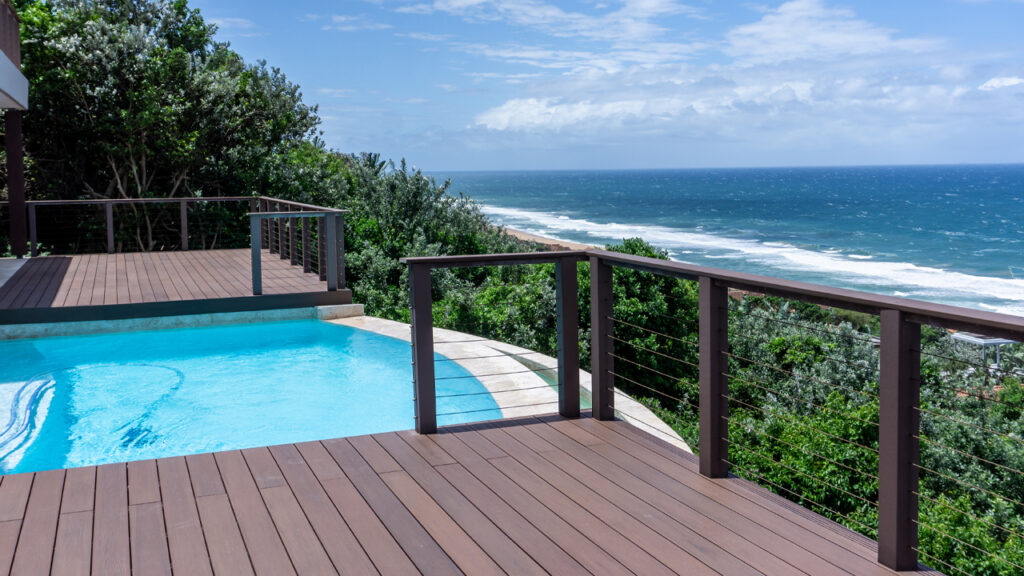
Building a home near the coast requires a different approach than building in many inland locations. Coastal environments expose homes to salt air, high humidity, heavy rainfall, strong winds, and shifting soil conditions, all of which can influence how a property performs over time. Because of these factors, successful coastal construction depends on thoughtful planning, durable materials, and building practices designed for the local environment.
Rather than relying on standard construction methods, homeowners often benefit from designs that address the unique demands of coastal living while maintaining comfort and architectural appeal.
Environmental Conditions Shape Every Decision
Coastal properties present challenges that affect nearly every phase of construction, from selecting a building site to choosing exterior finishes.
Before work begins, builders typically evaluate:
- Elevation and drainage
- Flood zone requirements
- Soil stability
- Wind exposure
- Sun orientation
- Moisture management
Understanding these conditions early helps guide design decisions that support long-term durability and reduce the likelihood of future maintenance issues.
Material Selection Plays a Critical Role
Materials that perform well in other regions may not provide the same longevity in coastal climates. Salt air and constant humidity can accelerate wear on certain products, making durability an important consideration.
Exterior Components
High-quality roofing systems, corrosion-resistant hardware, moisture-resistant siding, and impact-rated windows are commonly used to improve resilience against coastal weather.
Interior Finishes
Builders often recommend materials that tolerate humidity while remaining easy to maintain. Engineered wood flooring, moisture-resistant cabinetry, and durable paint systems can help preserve the home’s appearance over time.
Choosing products based on long-term performance rather than appearance alone often leads to fewer repairs and lower maintenance.
Designing for Coastal Living
A coastal home should take advantage of its surroundings while remaining practical throughout the year. Thoughtful layouts often strengthen the connection between indoor and outdoor spaces.
Popular design features include:
- Covered porches
- Large windows for natural light
- Outdoor entertaining areas
- Open-concept living spaces
- Flexible rooms for work or guests
These elements allow homeowners to enjoy the surrounding landscape while maintaining comfortable interior living spaces.
Building for Long-Term Resilience
Beyond aesthetics, coastal homes are designed to withstand environmental conditions unique to the region. Proper ventilation, effective drainage, and quality construction techniques all contribute to a home’s long-term performance.
Homeowners working with experienced luxury home builders in Charleston SC often prioritize construction methods that address humidity, salt exposure, and seasonal weather while incorporating architectural details that reflect the Lowcountry’s character. Balancing structural performance with thoughtful design helps create homes that remain functional and attractive for many years.
Respecting Local Architecture
Charleston is known for its distinctive architectural heritage, and many newly built homes draw inspiration from traditional Lowcountry styles while incorporating modern amenities.
Common architectural features include:
Elevated Ceilings
Higher ceilings encourage better airflow and create bright, open interiors.
Spacious Outdoor Areas
Front porches, screened living spaces, and shaded patios extend usable living areas while taking advantage of the coastal climate.
Timeless Design
Natural materials, balanced proportions, and carefully selected finishes allow new homes to complement surrounding neighborhoods while supporting modern lifestyles.
Balancing Beauty and Function
Coastal homes should not only look appealing but also perform efficiently over time. Energy-efficient systems, durable construction materials, adaptable floor plans, and careful site planning all contribute to a home that is easier to maintain and more comfortable throughout changing seasons.
By considering these factors during the planning process, homeowners can reduce future maintenance needs while creating spaces that suit both everyday living and long-term goals.
Common Questions
Why is coastal construction different?
Coastal homes must withstand moisture, salt air, wind, and changing weather conditions, requiring specialized materials and construction methods that may not be necessary in inland locations.
Does site selection matter?
Yes. Elevation, drainage, flood risk, and soil conditions all influence foundation design, construction techniques, and long-term property performance.
Can a coastal home combine traditional and modern design?
Absolutely. Many homes blend classic Lowcountry architecture with contemporary layouts, energy-efficient features, and updated building materials to create spaces that are both timeless and practical.
Conclusion
Coastal properties require construction strategies that respond to their unique environmental conditions while supporting comfortable, long-lasting living. Careful site evaluation, durable materials, resilient building methods, and thoughtful architectural design all contribute to homes that perform well in Charleston’s coastal climate. By planning with these factors in mind, homeowners can create residences that balance beauty, functionality, and lasting value.


10 Actionable Steps to Increase Amazon Brand Visibility This Year

Who Keeps the Jackpot? How Gambling Winnings Are Taxed in the US, the UK and Denmark

Finding Games Repetitive? Baccarat Variations Can Offer Different Experiences

What to Check Before Connecting Any MCP Server to Your Account

Step-by-Step Instructions to Check Winning Numbers on Web Portals

Corporate Gifts for Better Business Brand Promotion Now

Understanding Single-Account Gaming Platforms and Their Benefits

How Pay Per Lead Loan Affiliate Programs Create New Revenue Opportunities

Safer Aging at Home: A Daily Plan for Mobility, Fall Prevention, and Peace of Mind

Teeth Whitening Options: What Actually Works

BPC-157 UK: A Research-Focused Guide to the Experimental Peptide

Online Gaming and Comedy Gold: Kevin Hart Takes to the (Digital) Stage

Mexico City museums, parks and food markets: a culture-first itinerary

The Goplay711 Difference: Why Live Casino Players Are Switching

What are the Benefits of Receiving Healthcare Services at Home?

How Trauma Therapy Works: Methods, Timelines & What to Expect


Don Toliver Net Worth: Height, Age, Real Name, Career & More
Don Toliver is an American rapper and singer best known for his RIAA platinum certified songs, No Idea and After...


Finesse2tymes Net Worth: Height, Age, Real Name & Career
Finesse2tymes is an American rapper and recording artist. He is mainly recognized for his thunderous voice and motivational lyrics in...


Sugarhill Ddot Net Worth: Height, Age, Real Name & Career
Sugarhill Ddot is an American hip-hop recording artist best known for his songs, Real Facts and I Wanna Love You....


GloRilla Net Worth: Height, Age, Bio, Real Name & Career
GloRilla is an American rapper and hip-hop recording artist from Memphis. She is best known for her popular singles, “Westside...


Destroy Lonely Net Worth: Height, Age, Real Name & Career
Destroy Lonely is an American rapper best known for his 2022 mixtape, No Stylist. He is currently signed to rapper...
-
Rappers2 years ago
GloRilla Net Worth: Height, Age, Bio, Real Name & Career
-

 News2 years ago
Trash To Treasure: Maximizing Space And Efficiency Through Junk Removal
-

 Businessman3 years ago
7 Proven Lead Generation Strategies To Implement in 2023
-
 Businessman2 years ago
Brandon Fugal Net Worth: How Rich is Skinwalker Ranch Owner?
-

 Rappers3 years ago
BigXthaPlug Net Worth: Height, Age, Real Name & Career
-

 TV Stars2 years ago
Kaleb Cooper Net Worth: How Rich is the TV Star Actually?
-

 Internet Stars4 years ago
Mufti Menk Net Worth: How Rich is the Islamic Speaker Actually?
-

 TV Stars2 years ago
Carla Diab Net Worth: How Rich is the TV Star Actually in 2025?
You must be logged in to post a comment Login