
News
Cracked Foundations: Understanding Damage and Protecting Your Home

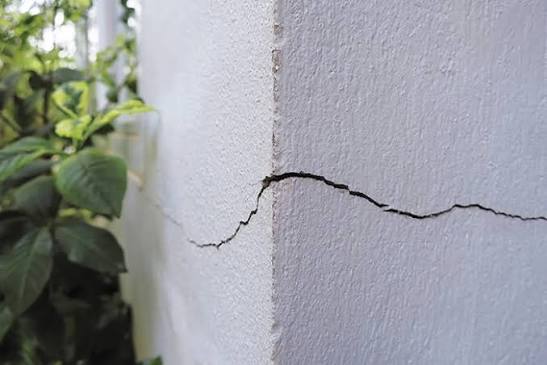
A home’s foundation provides the structural support necessary to keep walls stable, floors level, and the entire building secure. However, foundations can develop cracks over time because of changing soil conditions, excessive moisture, poor drainage, concrete shrinkage, and uneven settlement. Although some cracks are harmless and occur naturally as concrete cures, others may indicate underlying problems that require professional attention. When foundation damage is overlooked, water can enter the basement, surrounding materials may deteriorate, and structural movement can affect other areas of the property. Understanding why foundation cracks develop, how to recognize warning signs, and which preventive measures can help protect a building allows homeowners to make informed maintenance decisions. With regular inspections, effective moisture management, and appropriate professional assistance, property owners can address foundation concerns before they become more complicated and expensive to resolve.
Common Causes of Foundation Cracks
Foundation cracks can develop for several reasons, and identifying the underlying cause is essential for determining the most appropriate solution. One common factor is soil movement, which occurs when the ground beneath or around a building changes in response to moisture levels, temperature fluctuations, and environmental conditions. Certain soil types expand when they absorb water and contract as they dry, creating pressure changes that can affect concrete foundations. If the soil beneath one section of a building moves differently from the soil supporting another section, uneven settlement may occur. This movement can place stress on foundation walls and floors, resulting in visible cracks that may gradually become more noticeable. Poor soil preparation during construction, inadequate compaction, and changes in groundwater conditions can also contribute to foundation movement and structural instability.Water is another significant cause of foundation deterioration, particularly when drainage systems fail to direct rainwater away from the building. Clogged gutters, damaged downspouts, improperly graded soil, and standing water near exterior walls can allow moisture to accumulate around the foundation. As the surrounding soil becomes saturated, it may exert additional pressure against basement walls, increasing the likelihood of cracking or water penetration. Plumbing leaks beneath floors or near foundation walls can create similar problems by repeatedly introducing moisture into the soil. Over time, these conditions may weaken vulnerable areas, damage nearby materials, and create persistent basement dampness. Addressing drainage problems and repairing leaks promptly can help reduce unnecessary pressure and prevent moisture-related concerns from becoming more extensive.
Warning Signs to Watch For
Recognizing the early warning signs of foundation damage can help homeowners arrange an inspection before a minor concern develops into a more serious problem. Visible cracks in basement walls, concrete floors, and exterior masonry are among the most common indicators, but their significance depends on their location, direction, width, and rate of change. Thin vertical cracks may sometimes result from ordinary concrete shrinkage, while diagonal cracks can develop when different sections of a building experience uneven movement. Horizontal cracks in basement walls may indicate pressure from the surrounding soil or other structural concerns that require prompt professional evaluation. Homeowners should pay particular attention to cracks that widen over time, extend across multiple surfaces, or appear alongside noticeable changes in wall alignment. Photographing affected areas and comparing their appearance over time can provide useful information during a professional assessment.Foundation problems may also produce symptoms in areas that are not directly connected to the visible damage. Interior doors may begin sticking, windows may become difficult to open, and floors may develop noticeable slopes as the supporting structure shifts. Gaps between walls and ceilings, separation around window frames, and cracks in drywall can sometimes indicate that movement is affecting other parts of the building. Outside, homeowners may notice stair-step cracks in brickwork, separated exterior finishes, or gaps around structural openings. These symptoms can have causes unrelated to foundation damage, so they should not automatically be treated as proof of a serious structural problem. However, when several warning signs appear together or become progressively worse, a qualified professional can determine whether the foundation requires repair, further monitoring, or additional investigation.
Why Early Repairs Matter
Addressing foundation cracks early can help homeowners prevent additional damage and understand the condition of their property before the problem becomes more complicated. A small crack may initially appear to be a cosmetic issue, but it can provide a pathway for water to enter the basement during heavy rainfall or periods of elevated groundwater pressure. Moisture can affect stored belongings, insulation, flooring, drywall, and other materials that are vulnerable to prolonged dampness. If water intrusion continues, the basement may develop musty odors and conditions that encourage mold growth. Meanwhile, cracks associated with ongoing settlement or excessive wall pressure may continue to change if the underlying cause remains unaddressed. Early evaluation gives homeowners an opportunity to distinguish minor defects from more serious concerns and choose a repair strategy based on the actual condition of the structure.Delaying necessary repairs may also increase the complexity of future maintenance because foundation problems can affect several connected building components. Continuing movement may place stress on interior walls, plumbing connections, exterior finishes, and other structural elements. Repeated water intrusion can damage materials that would otherwise remain serviceable, potentially creating additional repair expenses. Although not every crack requires immediate structural intervention, homeowners should avoid assuming that all foundation damage is harmless simply because the opening appears small. A professional assessment can help determine whether a crack is stable, whether moisture is entering through it, and whether additional symptoms suggest movement. Taking action based on these findings helps property owners prioritize necessary work and avoid relying on temporary cosmetic treatments that may conceal a continuing problem.
Professional Repair Solutions
Professional cracked foundations services begin with evaluating the visible damage and identifying the conditions responsible for its development. A qualified specialist may inspect foundation walls, basement floors, exterior masonry, drainage systems, and surrounding soil conditions to determine whether the cracks are associated with normal concrete shrinkage, water infiltration, uneven settlement, or structural movement. This evaluation helps establish the appropriate repair method and identifies whether additional measures are necessary to protect the foundation from future damage. The goal is not simply to cover the visible opening but to address the problem in a way that suits the building’s construction, the severity of the damage, and the environmental conditions affecting the property. A careful assessment can also help homeowners understand which repairs are necessary and which conditions may be suitable for monitoring.Different foundation problems require different repair techniques, and no single method is appropriate for every situation. Certain stable, nonstructural cracks may be sealed with suitable materials to reduce water penetration and prevent further deterioration of the affected surface. Depending on the circumstances, epoxy or polyurethane injection may be appropriate for particular cracks, although the material and application method should be selected according to the crack’s characteristics and the intended purpose of the repair. When the damage is associated with continuing settlement, significant wall movement, or other structural concerns, sealing alone may not provide an adequate solution. Additional measures, such as engineered support systems or specialized wall reinforcement, may be necessary after a qualified professional evaluates the structure. Understanding the reason behind each recommendation allows homeowners to make better decisions and invest in solutions designed for their specific foundation conditions.
Controlling Water Around the Foundation
Effective drainage is one of the most important preventive measures for reducing moisture-related foundation problems. Rainwater that collects near exterior walls can saturate the surrounding soil and increase pressure against basement foundations, particularly when drainage systems are inadequate. Gutters should be cleaned regularly so leaves, branches, and other debris do not obstruct the flow of rainwater from the roof. Downspouts should discharge water away from the building instead of releasing it directly beside the foundation, where it may accumulate and gradually penetrate vulnerable areas. Homeowners should also inspect gutters and downspouts for cracks, loose connections, blockages, and other damage that could cause water to spill close to the structure. Maintaining these components helps manage roof runoff and reduces the amount of unnecessary moisture reaching the soil surrounding the foundation.The slope of the ground around a property also plays an important role in managing surface water. When soil slopes toward the building, rainwater may flow directly against foundation walls rather than draining away from them. Low areas near the structure can collect standing water, allowing moisture to remain close to the foundation for extended periods. Correcting poor grading and maintaining suitable drainage pathways can help reduce these problems, although improvements should be planned carefully to avoid redirecting water toward neighboring properties or creating new drainage concerns. Homeowners should also inspect irrigation systems to ensure that sprinklers do not repeatedly soak the ground near exterior walls. Where ordinary drainage improvements are insufficient, a professional may recommend a more comprehensive drainage system designed to manage water according to the property’s layout, soil conditions, and groundwater characteristics.
Basement Waterproofing and Moisture Control
Foundation cracks and basement moisture problems are closely connected because even small openings can allow water to enter when surrounding soil becomes saturated or groundwater pressure increases. Once moisture reaches the basement, it may damage stored belongings, flooring, insulation, and finished wall surfaces. Persistent dampness can also create musty odors and contribute to mold growth when environmental conditions support it. Effective moisture control begins with identifying where the water originates and determining whether the problem involves surface runoff, groundwater pressure, leaking plumbing, condensation, or a defect in an existing waterproofing system. Treating the actual source is important because simply painting over a damp wall or covering a crack with an unsuitable product may hide the visible symptoms without preventing water from entering again.Depending on the source and severity of the problem, basement waterproofing may involve crack sealing, exterior waterproofing, interior drainage channels, sump pump maintenance, or other moisture-management measures. Each option serves a different purpose, so the appropriate solution should be selected after evaluating the condition of the foundation and the way water reaches the affected area. For example, sealing a localized crack may help control a particular leak, but it may not resolve excessive water pressure affecting an entire basement wall. Similarly, an interior drainage system may collect incoming water and direct it toward a suitable discharge point, but it should be designed according to the property’s specific requirements. Combining appropriate waterproofing methods with sound exterior drainage and regular inspections can help create a drier basement, protect interior materials, and reduce the likelihood of recurring moisture damage.
Preventive Maintenance for Lasting Protection
Regular maintenance helps homeowners identify developing foundation problems before they become more difficult to manage. Periodic inspections should include visible foundation walls, basement floors, exterior masonry, gutters, downspouts, and the surrounding ground. Homeowners can photograph existing cracks, record their locations, and compare their appearance over time to determine whether they are widening or extending into nearby surfaces. It is also helpful to monitor when moisture appears, particularly after heavy rainfall or periods of changing weather. If cracks become noticeably larger, walls begin to bow, or new symptoms such as uneven floors and sticking doors develop, a professional evaluation is advisable. Keeping records of inspections and completed repairs can also help property owners understand the foundation’s condition and make informed decisions about future maintenance.Seasonal property maintenance is especially useful for managing water and reducing preventable damage. Before periods of heavy rainfall, homeowners should clean gutters, check downspouts, inspect drainage pathways, and remove debris that could prevent water from flowing away from the structure. After major storms, checking the basement for damp spots, water stains, and standing water can help identify weaknesses in the drainage system. Landscaping should also be maintained carefully because irrigation, poorly positioned garden beds, and changes in ground level can affect moisture conditions around the foundation. Large trees and shrubs should be considered in relation to root growth, underground utilities, and local soil conditions. Although preventive maintenance cannot eliminate every foundation risk, it can help reduce unnecessary moisture exposure and reveal problems that need attention before they cause more extensive damage.
Choosing the Right Professional
Choosing a qualified professional is an important part of addressing foundation cracks effectively. Homeowners should look for relevant experience, appropriate licensing where required, suitable insurance, and a clear explanation of the proposed work. A thorough assessment should consider not only the visible cracks but also possible contributing factors, including soil movement, drainage deficiencies, water pressure, and plumbing leaks. When significant structural movement or progressive settlement is suspected, a qualified structural engineer may be needed to assess the building and recommend suitable corrective measures. This is particularly important when foundation walls show noticeable displacement, cracks continue to widen, or several structural symptoms appear at the same time. A professional evaluation helps ensure that the recommended solution reflects the actual condition of the property rather than relying on assumptions based on appearance alone.Before approving a repair project, homeowners should request a written estimate that explains the scope of work, repair materials, proposed methods, and any relevant maintenance requirements. It is useful to ask whether the treatment addresses the underlying cause of the damage and whether additional waterproofing or drainage improvements are recommended. Comparing proposals based on the suitability of the solution, the contractor’s experience, and the clarity of the work plan is more valuable than choosing a provider solely because of the lowest price. Homeowners should also ask about applicable warranties, expected limitations, and any follow-up inspections that may be necessary. Maintaining documentation of the assessment and completed work provides a helpful record for future maintenance and can offer reassurance when the property is evaluated for sale.
Conclusion
Foundation cracks should never be judged by appearance alone because their causes can range from ordinary concrete shrinkage to drainage problems, soil movement, and more serious structural concerns. Recognizing warning signs, inspecting vulnerable areas, managing exterior water, and arranging professional assessments can help homeowners understand the condition of their foundations and determine which repairs are necessary. When cracks allow water to enter the basement, appropriate waterproofing and moisture-management measures can further protect interior materials and reduce recurring dampness. Combining suitable cracked foundations solutions with effective drainage, regular maintenance, and timely professional guidance helps property owners address underlying problems rather than relying on temporary cosmetic fixes. A proactive approach can preserve structural stability, protect basement spaces, reduce the likelihood of additional damage, and support the long-term durability and value of the home.


How Professional Forklift Service Supports Long-Term Industrial Productivity

The Importance of Regular HVAC Tune Up Services for Reliable Home Comfort

Building a Reliable Plumbing System Through Professional Pipe Installation

Metal Roof Cleaning: Essential Practices for Maintaining a Durable and Attractive Roof

Ductless Mini Split Installation: A Modern Approach to Efficient Heating and Cooling

Protecting Your Plumbing System with Professional Sewer Line Repair

Elevating Outdoor Living with Beautiful and Functional Patio Cover Designs

Shingle Roof Repair: Protecting Your Home with Reliable Roofing Solutions

Best Boneless Sofas 2026: Cloud Comfort & No-Assembly Picks

Cove Lighting and False Ceilings: Creating a Soft, Layered Glow

Suncoast, Sun City & Montecasino: SA's Big Casinos vs Playing Online (2026)

Inside the Multi-Million Dollar Gaming Economy: How Streamers and Digital Assets Drive the Virtual Currency Boom

Subscription fatigue: a simple review and PennyGuard

What Happens After an Arrest? A Guide from Criminal Lawyers in Bankstown

Why Blackjack Is Still One of the World’s Favorite Casino Games

Walking the Legal End of the Estate Executor Journey in Queensland


Don Toliver Net Worth: Height, Age, Real Name, Career & More
Don Toliver is an American rapper and singer best known for his RIAA platinum certified songs, No Idea and After...


Finesse2tymes Net Worth: Height, Age, Real Name & Career
Finesse2tymes is an American rapper and recording artist. He is mainly recognized for his thunderous voice and motivational lyrics in...


Sugarhill Ddot Net Worth: Height, Age, Real Name & Career
Sugarhill Ddot is an American hip-hop recording artist best known for his songs, Real Facts and I Wanna Love You....


GloRilla Net Worth: Height, Age, Bio, Real Name & Career
GloRilla is an American rapper and hip-hop recording artist from Memphis. She is best known for her popular singles, “Westside...


Destroy Lonely Net Worth: Height, Age, Real Name & Career
Destroy Lonely is an American rapper best known for his 2022 mixtape, No Stylist. He is currently signed to rapper...
-
Rappers2 years ago
GloRilla Net Worth: Height, Age, Bio, Real Name & Career
-

 News3 years ago
Trash To Treasure: Maximizing Space And Efficiency Through Junk Removal
-

 Businessman3 years ago
7 Proven Lead Generation Strategies To Implement in 2023
-
 Businessman2 years ago
Brandon Fugal Net Worth: How Rich is Skinwalker Ranch Owner?
-

 Rappers4 years ago
BigXthaPlug Net Worth: Height, Age, Real Name & Career
-

 TV Stars2 years ago
Kaleb Cooper Net Worth: How Rich is the TV Star Actually?
-

 Internet Stars4 years ago
Mufti Menk Net Worth: How Rich is the Islamic Speaker Actually?
-

 TV Stars2 years ago
Carla Diab Net Worth: How Rich is the TV Star Actually in 2025?
You must be logged in to post a comment Login