
Businessman
Planning Hygienic Piping Modifications Without Creating Future Problems

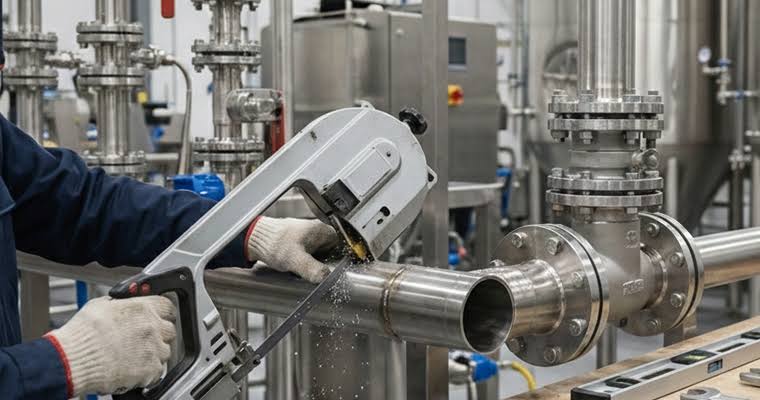
A piping modification may begin with a simple request: adding a connection, moving a piece of equipment, increasing capacity, or creating a new product route. In a food or beverage facility, however, the success of that change depends on much more than getting fluid from one point to another.
Routing, drainage, surface condition, weld quality, support, access, and material documentation all affect how well the finished system can be cleaned, inspected, and maintained. Addressing these issues during planning is far less disruptive than correcting them after production begins.
Define what the line must handle
Design begins with the process, not the drawing. The team should document the products, cleaning solutions, temperatures, pressures, flow requirements, and operating sequences expected in the modified line. Future uses should also be discussed when they are reasonably foreseeable.
A line sized only for today’s nominal flow may become a constraint after a capacity increase. On the other hand, unnecessarily oversized tubing may reduce velocity or make product recovery and cleaning more difficult. Material selection also depends on the actual chemical and temperature exposure rather than a generic preference for stainless steel.
This is where terminology can cause confusion. “Food grade” is often used loosely, but a hygienic installation depends on the entire system, including the alloy, internal finish, fittings, welds, gaskets, slope, and cleaning method. Selecting food-grade stainless steel pipe or tubing should therefore be part of a documented design decision, not a substitute for a full application evaluation.
Plan the route for drainage and cleaning
The shortest route is not always the most hygienic or maintainable route. Changes in elevation, poorly placed branches, dead-ended sections, and low points can retain product or cleaning solution. The team should review how the line will drain in its installed position and how each branch will be cleaned.
Routing should also consider the sequence of operations. A connection that works for product transfer may behave differently during rinse, chemical circulation, or air blowdown. Reviewing each operating state can reveal trapped sections or flow paths that are not obvious on a static drawing.
Field conditions matter as well. Structural steel, electrical trays, HVAC components, and existing utilities may force installers away from the planned route. A pre-installation walkdown helps the project team resolve these conflicts before fabrication and reduces the need for improvised changes in the field.
Make components accessible
Valves, instruments, sample points, and removable fittings need enough space for normal operation and service. A valve may fit between adjacent lines but still be impossible to remove without dismantling other equipment. An instrument can be technically installed yet difficult to read, calibrate, or replace.
Maintenance and sanitation personnel should review the layout before installation. They often identify access problems that are easy to miss on a process diagram: insufficient clearance for tools, components located above open product zones, supports that obstruct cleaning, or connections that cannot be safely reached.
Good access reduces maintenance time and discourages shortcuts. It also makes routine inspection more likely because personnel can see and reach the areas they are expected to evaluate.
Control fabrication and installation details
Even a well-designed route can underperform if fabrication quality is inconsistent. Project specifications should define the required materials, surface finish, joining method, weld documentation, and acceptance criteria. Material identification should be maintained from receipt through installation so the facility can verify what was used.
Welds deserve particular attention because internal irregularities can affect cleanability and corrosion resistance. Qualified procedures, appropriate shielding, controlled fit-up, and inspection help protect the condition of the product-contact surface. Any field changes should be reflected in the final records rather than remaining only in an installer’s notes.
Support design is another common source of trouble. Tubing needs to be restrained without creating stress, misalignment, or areas that are difficult to clean around. Supports should account for thermal movement, equipment vibration, and the weight of a full line. They should also preserve the intended slope instead of pulling the installed line away from it.
Commission the complete flow path
Commissioning should verify more than leak tightness. The team should confirm that valves direct flow as intended, instruments report correctly, the line drains, cleaning reaches the full path, and control-system labels match the physical installation. Where appropriate, the facility may also verify flow, pressure, temperature response, and cleaning parameters under realistic operating conditions.
Updated drawings, valve lists, material records, weld documentation, and operating procedures should be turned over before the project is considered complete. These records support training and future troubleshooting and reduce uncertainty when planning the next modification.
A hygienic piping change is successful when it works not only on startup day but throughout its service life. By defining the process first, reviewing cleanability and access, controlling fabrication, and commissioning the entire operating sequence, facilities can avoid small installation decisions that become recurring production and sanitation problems.


Finding Games Repetitive? Baccarat Variations Can Offer Different Experiences

What to Check Before Connecting Any MCP Server to Your Account

Step-by-Step Instructions to Check Winning Numbers on Web Portals

Corporate Gifts for Better Business Brand Promotion Now

Understanding Single-Account Gaming Platforms and Their Benefits

How Pay Per Lead Loan Affiliate Programs Create New Revenue Opportunities

How Changing Rules Could Define the Next Era of Sports Betting Apps

How High-Speed Rail Can Build Stronger Local Economies

Safer Aging at Home: A Daily Plan for Mobility, Fall Prevention, and Peace of Mind

BPC-157 UK: A Research-Focused Guide to the Experimental Peptide

Teeth Whitening Options: What Actually Works

Online Gaming and Comedy Gold: Kevin Hart Takes to the (Digital) Stage

Mexico City museums, parks and food markets: a culture-first itinerary

Mr Fog Nova: What to Know About This Modern Vape Option

What are the Benefits of Receiving Healthcare Services at Home?

The Company Gaming That AI Agents Can Out-Hack the Internet’s Biggest Platforms


Don Toliver Net Worth: Height, Age, Real Name, Career & More
Don Toliver is an American rapper and singer best known for his RIAA platinum certified songs, No Idea and After...


Finesse2tymes Net Worth: Height, Age, Real Name & Career
Finesse2tymes is an American rapper and recording artist. He is mainly recognized for his thunderous voice and motivational lyrics in...


Sugarhill Ddot Net Worth: Height, Age, Real Name & Career
Sugarhill Ddot is an American hip-hop recording artist best known for his songs, Real Facts and I Wanna Love You....


GloRilla Net Worth: Height, Age, Bio, Real Name & Career
GloRilla is an American rapper and hip-hop recording artist from Memphis. She is best known for her popular singles, “Westside...


Destroy Lonely Net Worth: Height, Age, Real Name & Career
Destroy Lonely is an American rapper best known for his 2022 mixtape, No Stylist. He is currently signed to rapper...
-
Rappers2 years ago
GloRilla Net Worth: Height, Age, Bio, Real Name & Career
-

 News2 years ago
Trash To Treasure: Maximizing Space And Efficiency Through Junk Removal
-

 Businessman3 years ago
7 Proven Lead Generation Strategies To Implement in 2023
-
 Businessman2 years ago
Brandon Fugal Net Worth: How Rich is Skinwalker Ranch Owner?
-

 Rappers3 years ago
BigXthaPlug Net Worth: Height, Age, Real Name & Career
-

 TV Stars2 years ago
Kaleb Cooper Net Worth: How Rich is the TV Star Actually?
-

 Internet Stars4 years ago
Mufti Menk Net Worth: How Rich is the Islamic Speaker Actually?
-

 TV Stars2 years ago
Carla Diab Net Worth: How Rich is the TV Star Actually in 2025?
You must be logged in to post a comment Login