
News
Why Does My AC Make a Hissing Noise After It Shuts Off?

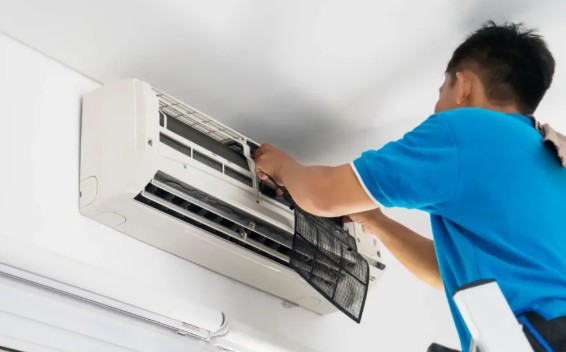
If you’ve ever noticed a hissing noise coming from your air conditioner after it shuts off, you’re not alone. Many homeowners experience this unsettling sound and wonder if it signals a serious problem or just normal operation. Understanding the reasons behind this noise can help you determine whether your AC needs attention or if it’s simply part of its regular cycle. This article will explain the most common causes of post-shutdown hissing, what they might mean for your system’s health, and when it’s time to call a professional for help.
What to Expect in This Guide
Common Causes of Hissing Noises After Shutdown
A hissing noise from your air conditioner after it turns off can be alarming, but it’s important to know that not all hissing sounds indicate a major issue. One of the most frequent causes is the equalization of pressure within the system. When your AC shuts off, the refrigerant inside the coils and lines begins to balance out, moving from areas of high pressure to low pressure. This process can create a gentle hissing or whooshing sound as the gases move and settle. Another possible cause is a small refrigerant leak, which can produce a more persistent or louder hissing noise. Leaks are a concern because they can reduce your system’s efficiency and potentially harm the environment. Additionally, issues with the expansion valve or internal valves can also result in hissing sounds as the refrigerant passes through narrow openings. While some hissing is normal, especially right after the unit powers down, ongoing or loud noises should not be ignored, as they may signal a developing problem that could worsen over time.
When Hissing Indicates a Problem
While some hissing noises are harmless, others can be a sign that your air conditioner needs attention. If the hissing is accompanied by a loss of cooling power, ice buildup on the coils, or higher energy bills, it could point to a refrigerant leak or a malfunctioning component. Refrigerant leaks are particularly concerning because they not only reduce your AC’s ability to cool your home but can also pose health risks and environmental hazards. In some cases, the hissing may come from a faulty compressor or a damaged valve, both of which require prompt repair to prevent further damage. If you notice that the hissing sound persists long after the unit has shut off, or if it grows louder over time, it’s wise to schedule a professional inspection. Homeowners in the area often search for ac repair in richmond when they encounter these issues, as timely intervention can prevent more costly repairs down the line. Addressing the problem early ensures your system runs efficiently and safely throughout the cooling season.
The Role of Refrigerant in AC Noises
Refrigerant is the lifeblood of your air conditioning system, responsible for absorbing and releasing heat to keep your home comfortable. When everything is working properly, refrigerant circulates through a closed loop, changing from a liquid to a gas and back again as it moves through the coils and compressor. However, if there’s a leak or a restriction in the system, the refrigerant can escape or become trapped, leading to unusual noises like hissing. The sound is often produced as the high-pressure gas escapes through a small opening or as it moves rapidly through a constricted area. Over time, low refrigerant levels can cause your AC to work harder, leading to increased wear and tear and potentially shortening the lifespan of your unit. It’s important to remember that handling refrigerant requires proper training and equipment, so any suspected leaks should be addressed by a licensed technician. Regular maintenance and prompt repairs can help prevent refrigerant-related issues and keep your system running smoothly.
Quick Tip: When to Call for Help
If the hissing noise is sudden, loud, or accompanied by a loss of cooling, it’s a good idea to turn off your AC and contact a professional. Ignoring these signs can lead to more serious damage and higher repair costs. A trained technician can quickly diagnose the issue and recommend the right solution to restore your comfort.
Other Potential Sources of Hissing Sounds
Not all hissing noises are related to refrigerant or pressure changes. Sometimes, the sound can come from air escaping through small gaps or cracks in the ductwork. Over time, ducts can develop leaks due to age, poor installation, or physical damage. When your AC shuts off, the sudden change in air pressure can cause air to escape through these openings, creating a hissing or whistling noise. Another possible source is the air handler or blower compartment, where loose or damaged seals can allow air to leak out. In some cases, debris or dust buildup inside the system can also contribute to unusual sounds. Regular inspection and cleaning of your ductwork and air handler can help prevent these issues and ensure your system operates quietly and efficiently. If you suspect that duct leaks or other airflow problems are causing the noise, a professional can perform a thorough assessment and recommend appropriate repairs or sealing solutions.
Preventing Future Hissing Noises
Preventing hissing noises and other AC issues starts with regular maintenance. Scheduling annual tune-ups with a qualified technician allows for early detection of potential problems, such as refrigerant leaks, worn components, or ductwork issues. During a maintenance visit, the technician will check refrigerant levels, inspect the coils and valves, and ensure all seals and connections are secure. Keeping your air filters clean and replacing them as needed also helps maintain proper airflow and reduces strain on your system. Additionally, paying attention to any changes in your AC’s performance or unusual sounds can help you catch problems before they escalate. Investing in routine care not only keeps your system running quietly but also extends its lifespan and improves energy efficiency. Homeowners who prioritize maintenance often enjoy more reliable cooling and fewer unexpected breakdowns, making it a worthwhile investment for comfort and peace of mind.
Conclusion
A hissing noise from your air conditioner after it shuts off can be caused by several factors, ranging from normal pressure equalization to more serious issues like refrigerant leaks or ductwork problems. While some sounds are harmless and temporary, persistent or loud hissing should not be ignored. Prompt attention from a qualified technician can help identify the source of the noise and prevent further damage to your system. Regular maintenance and timely repairs are key to keeping your AC running smoothly and quietly. By staying alert to changes in your system’s behavior and addressing concerns early, you can ensure a comfortable and worry-free cooling season for your home.


Your Home is Not Cash: How to Find Your Real Walk-away Net Worth

Digital Humans: How They Work, Where They Help, And How To Use Them Responsibly

How To Design Useful Empty States For Mobile Apps

Top SEO Agencies for Automotive Brands in Australia

Hurt at Work? A Second Claim Might Cover Pain Comp Ignores

How to Create Trustworthy Product Images That Help Shoppers Buy With Confidence

Game Music and Sound Design: How Audio Shapes Online Play

Biggest CFD Brokers in the World: Who Leads the Global Market?

How an Edit Stays Useful After the Face Paste Stops Impressing Anyone

Understanding Single-Account Gaming Platforms and Their Benefits

Cove Lighting and False Ceilings: Creating a Soft, Layered Glow

Where to Find Pennsylvania’s Best Pizza During National Pizza Month

Corporate Gifts for Better Business Brand Promotion Now

Inside the Multi-Million Dollar Gaming Economy: How Streamers and Digital Assets Drive the Virtual Currency Boom

Who Keeps the Jackpot? How Gambling Winnings Are Taxed in the US, the UK and Denmark

What to Check Before Connecting Any MCP Server to Your Account


Don Toliver Net Worth: Height, Age, Real Name, Career & More
Don Toliver is an American rapper and singer best known for his RIAA platinum certified songs, No Idea and After...


Finesse2tymes Net Worth: Height, Age, Real Name & Career
Finesse2tymes is an American rapper and recording artist. He is mainly recognized for his thunderous voice and motivational lyrics in...


Sugarhill Ddot Net Worth: Height, Age, Real Name & Career
Sugarhill Ddot is an American hip-hop recording artist best known for his songs, Real Facts and I Wanna Love You....


GloRilla Net Worth: Height, Age, Bio, Real Name & Career
GloRilla is an American rapper and hip-hop recording artist from Memphis. She is best known for her popular singles, “Westside...


Destroy Lonely Net Worth: Height, Age, Real Name & Career
Destroy Lonely is an American rapper best known for his 2022 mixtape, No Stylist. He is currently signed to rapper...
-
Rappers2 years ago
GloRilla Net Worth: Height, Age, Bio, Real Name & Career
-
 News2 years ago
Trash To Treasure: Maximizing Space And Efficiency Through Junk Removal
-

 Businessman3 years ago
7 Proven Lead Generation Strategies To Implement in 2023
-
 Businessman2 years ago
Brandon Fugal Net Worth: How Rich is Skinwalker Ranch Owner?
-

 Rappers4 years ago
BigXthaPlug Net Worth: Height, Age, Real Name & Career
-

 TV Stars2 years ago
Kaleb Cooper Net Worth: How Rich is the TV Star Actually?
-

 Internet Stars4 years ago
Mufti Menk Net Worth: How Rich is the Islamic Speaker Actually?
-

 TV Stars2 years ago
Carla Diab Net Worth: How Rich is the TV Star Actually in 2025?
You must be logged in to post a comment Login