
News
Why Does My HVAC System Pull Crawl Space Odors Into the House?

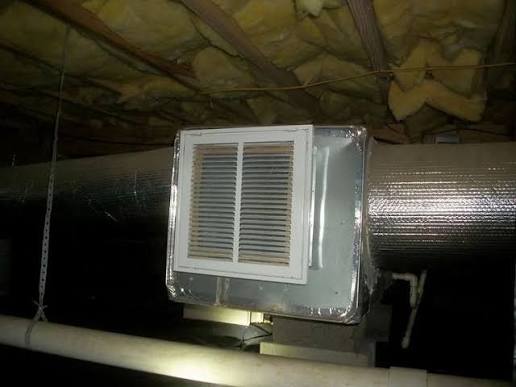
Homeowners often notice unpleasant odors drifting through their living spaces, only to discover that these smells originate from the crawl space beneath their homes. This issue can be both frustrating and concerning, as it not only affects indoor air quality but may also signal underlying problems with the home’s structure or mechanical systems. Understanding why your HVAC system is drawing these odors into your house is essential for maintaining a healthy and comfortable environment. By identifying the causes and solutions, you can take steps to eliminate the odors and prevent them from returning, ensuring your home remains a pleasant place to live.
Understanding HVAC and Crawl Space Connections
How HVAC Systems Affect Indoor Air Quality
HVAC systems are designed to regulate temperature and maintain comfort throughout your home, but they also play a significant role in controlling indoor air quality. When your HVAC system operates, it circulates air from various parts of the house, including areas that may not be as clean or well-sealed as the main living spaces. If your crawl space contains moisture, mold, mildew, or even pests, the system can inadvertently draw in these contaminants and distribute them throughout your home. This process is often exacerbated by negative air pressure, which can occur when the HVAC system pulls more air out of the house than it brings in, creating a vacuum effect that draws air—and odors—from the crawl space upward.
Common Causes of Crawl Space Odors Entering the Home
One of the most frequent reasons for crawl space odors infiltrating your home is poor sealing or insulation between the crawl space and the living areas. Gaps, cracks, or unsealed vents allow air to move freely between these spaces, making it easy for musty or foul smells to travel. Additionally, moisture problems in the crawl space, such as standing water, high humidity, or leaks, can lead to the growth of mold and mildew, which produce strong odors. When your HVAC system runs, it can pull these odors into the ductwork and distribute them throughout the house. Consulting a HVAC Contractor can help identify and address these issues, ensuring that your system is not contributing to poor indoor air quality.
The Role of Negative Air Pressure
Negative air pressure is a phenomenon that occurs when the air being removed from your home by exhaust fans, dryers, or the HVAC system exceeds the amount of air being brought in. This imbalance creates a vacuum effect, causing air from less desirable areas, such as the crawl space, to be drawn into the living spaces to equalize the pressure. When this happens, any odors present in the crawl space are pulled along with the air, leading to noticeable smells inside the home. This issue is particularly common in tightly sealed homes where fresh air intake is limited, making it crucial to ensure that your HVAC system is properly balanced and that there is adequate ventilation to prevent negative pressure from developing.
Moisture and Mold: The Root of Many Odors
Moisture is a primary contributor to crawl space odors. When water accumulates in the crawl space due to poor drainage, plumbing leaks, or high humidity, it creates an ideal environment for mold and mildew to thrive. These fungi release volatile organic compounds (VOCs) that produce musty, unpleasant smells. As your HVAC system circulates air, it can pick up these VOCs and distribute them throughout your home. Addressing moisture issues in the crawl space is essential for eliminating odors and preventing further damage to your home’s structure. Solutions may include improving drainage, installing vapor barriers, or using dehumidifiers to keep humidity levels in check.
Sealing and Insulating the Crawl Space
Properly sealing and insulating your crawl space is a critical step in preventing odors from entering your home. When the crawl space is left unsealed, air can move freely between it and the living areas, carrying with it any odors, moisture, or contaminants present. Sealing involves closing off vents, gaps, and cracks with appropriate materials, while insulation helps to create a barrier that prevents temperature fluctuations and moisture intrusion. By taking these steps, you can significantly reduce the likelihood of odors being drawn into your home by the HVAC system. Additionally, a sealed and insulated crawl space can improve energy efficiency and protect your home from pests and structural damage.
Professional Assessment and Solutions
A professional assessment of your HVAC system and crawl space can provide valuable insights into the source of odors and the most effective solutions. Technicians can inspect the ductwork for leaks or damage, evaluate the condition of the crawl space, and recommend measures such as duct sealing, crawl space encapsulation, or the installation of air purification systems. These interventions can help eliminate existing odors and prevent new ones from developing. Regular maintenance of your HVAC system, including filter changes and cleaning, is also important for maintaining good indoor air quality and ensuring that your system is operating efficiently.
Quick Tips for Immediate Relief
If you are dealing with persistent crawl space odors, there are a few immediate steps you can take while working on long-term solutions. Increasing ventilation in your home by opening windows and using fans can help dilute odors and improve air circulation. Using air purifiers with activated carbon filters can also help remove odor-causing particles from the air. However, these measures are temporary and should be combined with addressing the root causes in the crawl space and HVAC system for lasting results.
Conclusion
Crawl space odors entering your home through the HVAC system can be a persistent and unpleasant problem, but understanding the underlying causes is the first step toward a solution. Issues such as poor sealing, moisture, mold, and negative air pressure can all contribute to the movement of odors from the crawl space into your living areas. By addressing these factors through proper sealing, moisture control, and regular HVAC maintenance, you can significantly improve your indoor air quality and create a healthier, more comfortable home environment. Taking proactive steps to identify and resolve these issues will not only eliminate unwanted odors but also protect your home’s structure and the well-being of your family.


Top SEO Agencies for Automotive Brands in Australia

Hurt at Work? A Second Claim Might Cover Pain Comp Ignores

How to Create Trustworthy Product Images That Help Shoppers Buy With Confidence

Game Music and Sound Design: How Audio Shapes Online Play

Biggest CFD Brokers in the World: Who Leads the Global Market?

Your First Gum Measurements: Making Sense Of The Numbers

Biltema Tools, Car and Garden Products: A Practical Owner’s Guide to Using Product Manuals

A Look at the UK’s Online Gaming Landscape

Mexico City museums, parks and food markets: a culture-first itinerary

How an Edit Stays Useful After the Face Paste Stops Impressing Anyone

ADA Signage: What Every Business Should Know About Interior Signs

Understanding Single-Account Gaming Platforms and Their Benefits

Cove Lighting and False Ceilings: Creating a Soft, Layered Glow

Where to Find Pennsylvania’s Best Pizza During National Pizza Month

Corporate Gifts for Better Business Brand Promotion Now

Inside the Multi-Million Dollar Gaming Economy: How Streamers and Digital Assets Drive the Virtual Currency Boom


Don Toliver Net Worth: Height, Age, Real Name, Career & More
Don Toliver is an American rapper and singer best known for his RIAA platinum certified songs, No Idea and After...


Finesse2tymes Net Worth: Height, Age, Real Name & Career
Finesse2tymes is an American rapper and recording artist. He is mainly recognized for his thunderous voice and motivational lyrics in...


Sugarhill Ddot Net Worth: Height, Age, Real Name & Career
Sugarhill Ddot is an American hip-hop recording artist best known for his songs, Real Facts and I Wanna Love You....


GloRilla Net Worth: Height, Age, Bio, Real Name & Career
GloRilla is an American rapper and hip-hop recording artist from Memphis. She is best known for her popular singles, “Westside...


Destroy Lonely Net Worth: Height, Age, Real Name & Career
Destroy Lonely is an American rapper best known for his 2022 mixtape, No Stylist. He is currently signed to rapper...
-
Rappers2 years ago
GloRilla Net Worth: Height, Age, Bio, Real Name & Career
-
 News2 years ago
Trash To Treasure: Maximizing Space And Efficiency Through Junk Removal
-

 Businessman3 years ago
7 Proven Lead Generation Strategies To Implement in 2023
-
 Businessman2 years ago
Brandon Fugal Net Worth: How Rich is Skinwalker Ranch Owner?
-

 Rappers4 years ago
BigXthaPlug Net Worth: Height, Age, Real Name & Career
-

 TV Stars2 years ago
Kaleb Cooper Net Worth: How Rich is the TV Star Actually?
-

 Internet Stars4 years ago
Mufti Menk Net Worth: How Rich is the Islamic Speaker Actually?
-

 TV Stars2 years ago
Carla Diab Net Worth: How Rich is the TV Star Actually in 2025?
You must be logged in to post a comment Login