
News
How Quality Exterior Siding Improves Home Protection and Lasting Curb Appeal

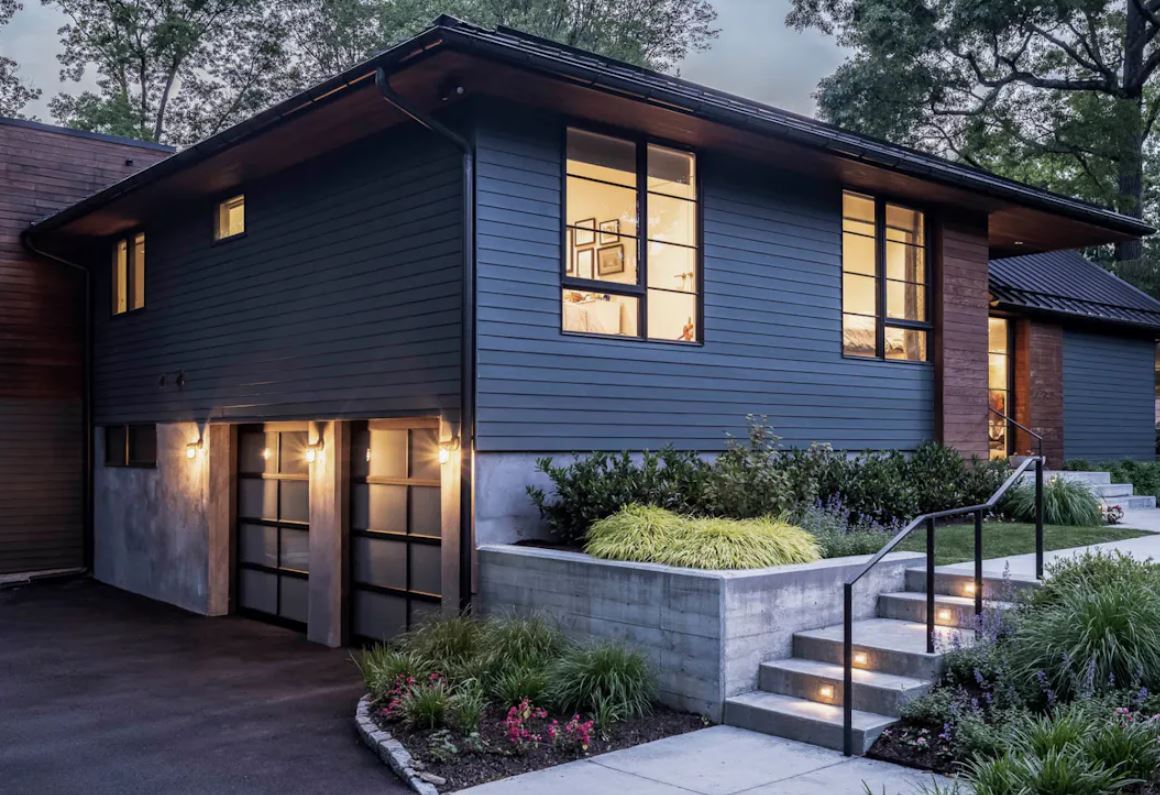
A home’s exterior plays an important role in protecting the structure from changing weather conditions, controlling moisture exposure, and maintaining an attractive appearance. Siding serves as one of the primary protective layers between the building’s exterior walls and the surrounding environment, helping shield underlying materials from rain, wind, sunlight, and everyday environmental wear. Over time, existing siding can develop cracks, loose panels, fading, warping, or other signs of deterioration that affect both its appearance and performance. These problems may allow moisture to reach vulnerable areas, increase maintenance requirements, and reduce the overall effectiveness of the exterior envelope. Professional siding installation helps homeowners select suitable materials and establish a properly fitted exterior covering that complements the property’s design while supporting long-term durability. By considering material quality, moisture management, ventilation, and installation techniques, property owners can improve the appearance of their homes while protecting important structural components from avoidable damage.
Understanding the Importance of Exterior Siding
Siding does much more than create a finished appearance for a home’s exterior. It forms an important part of the building envelope, working alongside weather barriers, flashing, insulation, windows, doors, and other components to help manage environmental exposure. Properly selected and installed siding can reduce direct contact between exterior wall materials and rainwater while helping the structure withstand wind and seasonal temperature changes. Although siding itself is not always completely waterproof, a correctly designed wall assembly helps manage water that passes behind the exterior surface and directs it toward appropriate drainage points. This layered approach is important because even durable materials can experience problems if water becomes trapped behind them or enters through poorly protected openings.The condition of the siding can also influence how homeowners maintain their properties over time. Cracked panels, separated joints, deteriorated trim, and loose sections may allow water or pests to reach vulnerable areas, particularly when flashing and underlying protective layers are also damaged. Early attention to these concerns can help reduce the risk of more extensive repairs and preserve the appearance of the building. Homeowners should periodically inspect visible exterior surfaces for unusual stains, soft or damaged materials, loose fasteners, and gaps around windows or doors. When the siding shows widespread deterioration or repeated damage, replacing it may provide an opportunity to correct underlying installation problems and improve the performance of the entire exterior wall system.
Choosing the Right Siding Material for Your Home
Selecting an appropriate siding material is one of the most important decisions in an exterior improvement project because different products offer different combinations of durability, appearance, maintenance requirements, and cost. Vinyl siding remains a popular option because it is available in numerous colors, textures, and profiles, allowing homeowners to achieve different architectural styles without extensive ongoing painting. Quality vinyl products are designed to withstand normal outdoor exposure, although their performance depends on product specifications, installation practices, and environmental conditions. Panels must have appropriate room for expansion and contraction as temperatures change, and fasteners should be installed according to manufacturer instructions to prevent excessive movement or distortion.Fiber cement siding is another option for homeowners seeking a durable exterior material with a variety of finish possibilities. It can replicate the appearance of painted wood or traditional lap siding while offering resistance to many common exterior concerns when properly installed and maintained. Because fiber cement products are relatively heavy and require specific handling and cutting procedures, installation should follow manufacturer guidance and applicable safety requirements. Engineered wood siding can provide a natural wood appearance with product-specific protective treatments, while traditional wood siding offers distinctive character but generally requires more attention to painting, sealing, and moisture control. Comparing these materials carefully helps homeowners choose a solution that fits their budget, design preferences, and expectations for long-term upkeep.
Preparing the Exterior Before Installation Begins
Thorough preparation is essential for achieving a reliable and attractive siding finish. Before new materials are installed, the existing exterior should be assessed to determine whether old siding needs to be removed and whether the underlying wall structure is suitable for the new system. Depending on the project’s scope, contractors may need to inspect sheathing, framing, weather-resistant barriers, insulation, flashing, and the areas surrounding windows and doors. Damaged wood, deteriorated sheathing, evidence of persistent moisture, and other defects should be addressed before the wall is covered. Installing new panels over unresolved damage can conceal problems that may continue to develop behind the finished surface, making future repairs more difficult and expensive.The preparation process should also include careful measurements and planning for transitions around corners, rooflines, windows, doors, utility penetrations, and other architectural features. These areas require appropriate trim and flashing details to help manage water and create a clean appearance. Contractors should determine how the selected siding profile will align across visible wall sections and how material cuts will be arranged to minimize unnecessary waste. Existing gutters, downspouts, exterior fixtures, and nearby landscaping may need temporary protection during the work. By addressing these details before installation begins, homeowners can reduce the likelihood of fitting problems, uneven finishes, and avoidable delays while helping ensure that the new siding performs as intended.
The Role of Moisture Management in Siding Projects
Moisture management is one of the most important considerations in any exterior siding project because water can damage wall materials when it repeatedly enters areas that are not designed to remain wet. Rain may reach exterior walls through wind-driven exposure, roof runoff, gaps around openings, or improperly sealed transitions. Siding helps reduce direct exposure, but the complete wall assembly must also include suitable water-resistive protection and properly designed flashing. These components work together to guide water away from vulnerable materials instead of allowing it to collect behind the siding. A professional assessment can help identify locations where improved flashing, drainage details, or repairs to the underlying structure may be necessary.Particular attention should be given to window and door openings, exterior corners, roof-to-wall intersections, and locations where siding meets other materials. These transitions can become vulnerable when flashing is missing, damaged, or incorrectly integrated with the weather-resistant barrier. Sealants may be useful in specific applications, but they should not be treated as a substitute for proper flashing and drainage design. Some siding systems also require designated clearances above roofing surfaces, decks, ground level, and other areas where moisture may accumulate. Following the product manufacturer’s requirements helps reduce unnecessary exposure and supports long-term performance. When moisture concerns are discovered during preparation, addressing their cause before installing the new exterior finish is far more effective than simply covering the affected area.
Why Proper Installation Techniques Matter
The quality of the finished exterior depends on more than the material selected for the project. Accurate measurements, correct fastening, suitable clearances, and careful alignment all contribute to a siding system that looks consistent and performs reliably. Different siding products have specific installation requirements, so contractors should follow the manufacturer’s instructions instead of using the same fastening method for every material. Vinyl panels, for example, generally require appropriate movement allowances because they expand and contract with temperature changes. Fasteners that are driven too tightly or panels that are locked into an incorrect position may restrict movement and contribute to buckling, distortion, or visible unevenness.Fiber cement and engineered wood products also require attention to fastener placement, joint treatment, clearances, and moisture protection. Improperly located fasteners or poorly finished edges may compromise the installation, while careless handling can damage panels before they are secured. Contractors should also check that courses remain level, corners align correctly, and openings are finished consistently throughout the project. A professional approach includes reviewing the completed work for loose sections, damaged materials, exposed gaps, and details that may interfere with drainage. Investing in accurate installation helps homeowners avoid premature repairs and supports the appearance and durability of the exterior over time.
Improving Energy Efficiency and Indoor Comfort
Although siding is not a complete energy-efficiency solution by itself, an exterior renovation can provide an opportunity to evaluate insulation, air leakage, and other elements that influence indoor comfort. Older homes may have damaged weather barriers, poorly sealed openings, or insulation deficiencies that contribute to drafts and uneven indoor temperatures. During a siding replacement project, contractors may be able to identify accessible areas where improvements should be considered as part of a broader building-envelope upgrade. The appropriate options depend on the home’s existing construction, the condition of the walls, local building requirements, and the compatibility of additional materials with the chosen siding system.Homeowners should understand that improved thermal performance depends on the entire wall assembly rather than the siding material alone. Insulation, air sealing, window condition, ventilation, and heating and cooling equipment all influence how a home manages indoor temperatures. Adding insulation without evaluating moisture movement and ventilation can create unintended problems in some wall assemblies, so upgrades should be planned carefully. When exterior improvements are coordinated with appropriate insulation and air-sealing measures, homeowners may be able to improve comfort and reduce unwanted heat transfer. A qualified contractor can explain which improvements are appropriate for the property and whether additional evaluation is needed before work proceeds.
Maintaining the Appearance and Performance of New Siding
Routine maintenance helps preserve the appearance of siding and makes it easier to identify developing problems before they become extensive. The appropriate maintenance schedule depends on the material, product finish, exposure to sunlight, nearby vegetation, and environmental conditions. Many siding systems benefit from periodic cleaning with methods approved by the manufacturer, while painted wood and certain other materials may require inspections for peeling paint, damaged coatings, or areas that need resealing. Homeowners should avoid harsh cleaning techniques that may damage finishes or force water behind panels. Following the manufacturer’s recommendations can help preserve the material and prevent unnecessary wear.Regular visual inspections should focus on loose panels, cracks, impact damage, deteriorated trim, staining, and gaps around openings. Vegetation should be managed so that branches and dense plant growth do not continuously rub against the exterior or trap moisture near the walls. Gutters and downspouts should also remain in good condition because overflowing rainwater can repeatedly wet siding and trim. If a section becomes damaged, timely repairs may help prevent the affected area from exposing underlying materials to additional moisture. Keeping records of installation details, product information, and maintenance work can also make future repairs easier by helping homeowners identify the correct materials and follow appropriate care procedures.
Coordinating Siding With Roofing and Other Exterior Improvements
Siding works alongside other exterior components to protect the home, so its condition should be considered when planning broader maintenance projects. Roof edges, gutters, fascia boards, soffits, flashing, and siding meet at several points where water must be directed away from the building. If these transitions are poorly maintained, water may reach vulnerable sections of the exterior even when the siding itself is in good condition. For example, damaged gutters can allow repeated overflow onto siding, while deteriorated flashing near roof-to-wall intersections may create opportunities for water intrusion. Evaluating these components together can help homeowners identify related issues and determine the most practical order for repairs.Coordinating exterior improvements may also reduce disruption and make it easier to achieve a consistent finished appearance. If the property requires new siding and fascia repairs, completing the necessary structural work before installing the final exterior panels can help avoid removing newly installed materials later. Similarly, planning gutter replacements or adjustments alongside siding work allows contractors to check attachment points and clearances before the project is completed. Homeowners can explore relevant roofing and exterior improvement services through siding installation when assessing their property’s maintenance needs. A well-organized plan helps ensure that individual improvements support one another and that the finished exterior offers both practical protection and a cohesive appearance.
Understanding the Value of Professional Siding Services
Professional siding services can help homeowners make informed decisions about materials, preparation, installation methods, and long-term maintenance. An experienced contractor can assess the existing exterior, identify visible damage, explain suitable product options, and develop a plan that accounts for the property’s architectural features. This assessment is especially important when the existing siding shows signs of moisture damage, repeated panel movement, widespread deterioration, or problems around windows and doors. Rather than focusing only on the appearance of the new material, a thorough approach considers the underlying wall condition and the details needed to manage water effectively.Homeowners should discuss the scope of work, expected preparation, material specifications, flashing details, installation requirements, and cleanup before approving a project. It is also helpful to understand which repairs are included in the estimate and how unexpected damage discovered during removal will be handled. Clear communication helps prevent misunderstandings and allows property owners to compare proposals based on the quality and completeness of the work rather than price alone. Choosing a suitable contractor and following appropriate maintenance recommendations can help protect the investment and reduce the risk of avoidable installation problems. Professional workmanship is particularly valuable for complex exterior designs where multiple materials and transitions must work together.
Conclusion
Exterior siding is an important part of a home’s protective envelope, helping shield wall assemblies from direct weather exposure while contributing to curb appeal and overall property value. Choosing the right material requires consideration of durability, maintenance, design preferences, and the requirements of the existing structure. Thorough preparation, effective moisture management, accurate measurements, and correct installation techniques are essential for achieving a reliable finish that performs well over time. Homeowners should also remember that siding works alongside roofing, gutters, flashing, insulation, and other exterior components, making coordinated maintenance an important part of long-term property care. Regular inspections and timely repairs can help preserve the appearance of the exterior and identify potential problems before they become more expensive to address. A carefully planned siding installation project provides an opportunity to improve the home’s appearance, address underlying exterior concerns, and establish a durable finish suited to the property’s needs.


How Professional Forklift Service Supports Long-Term Industrial Productivity

The Importance of Regular HVAC Tune Up Services for Reliable Home Comfort

Building a Reliable Plumbing System Through Professional Pipe Installation

Metal Roof Cleaning: Essential Practices for Maintaining a Durable and Attractive Roof

Ductless Mini Split Installation: A Modern Approach to Efficient Heating and Cooling

Protecting Your Plumbing System with Professional Sewer Line Repair

Elevating Outdoor Living with Beautiful and Functional Patio Cover Designs

Shingle Roof Repair: Protecting Your Home with Reliable Roofing Solutions

Best Boneless Sofas 2026: Cloud Comfort & No-Assembly Picks

Cove Lighting and False Ceilings: Creating a Soft, Layered Glow

Suncoast, Sun City & Montecasino: SA's Big Casinos vs Playing Online (2026)

Inside the Multi-Million Dollar Gaming Economy: How Streamers and Digital Assets Drive the Virtual Currency Boom

Subscription fatigue: a simple review and PennyGuard

What Happens After an Arrest? A Guide from Criminal Lawyers in Bankstown

Why Blackjack Is Still One of the World’s Favorite Casino Games

Walking the Legal End of the Estate Executor Journey in Queensland


Don Toliver Net Worth: Height, Age, Real Name, Career & More
Don Toliver is an American rapper and singer best known for his RIAA platinum certified songs, No Idea and After...


Finesse2tymes Net Worth: Height, Age, Real Name & Career
Finesse2tymes is an American rapper and recording artist. He is mainly recognized for his thunderous voice and motivational lyrics in...


Sugarhill Ddot Net Worth: Height, Age, Real Name & Career
Sugarhill Ddot is an American hip-hop recording artist best known for his songs, Real Facts and I Wanna Love You....


GloRilla Net Worth: Height, Age, Bio, Real Name & Career
GloRilla is an American rapper and hip-hop recording artist from Memphis. She is best known for her popular singles, “Westside...


Destroy Lonely Net Worth: Height, Age, Real Name & Career
Destroy Lonely is an American rapper best known for his 2022 mixtape, No Stylist. He is currently signed to rapper...
-
Rappers2 years ago
GloRilla Net Worth: Height, Age, Bio, Real Name & Career
-

 News3 years ago
Trash To Treasure: Maximizing Space And Efficiency Through Junk Removal
-

 Businessman3 years ago
7 Proven Lead Generation Strategies To Implement in 2023
-
 Businessman2 years ago
Brandon Fugal Net Worth: How Rich is Skinwalker Ranch Owner?
-

 Rappers4 years ago
BigXthaPlug Net Worth: Height, Age, Real Name & Career
-

 TV Stars2 years ago
Kaleb Cooper Net Worth: How Rich is the TV Star Actually?
-

 Internet Stars4 years ago
Mufti Menk Net Worth: How Rich is the Islamic Speaker Actually?
-

 TV Stars2 years ago
Carla Diab Net Worth: How Rich is the TV Star Actually in 2025?
You must be logged in to post a comment Login