
Technology
Smart Home Security: Practical Ways to Protect Your Property and Family

Introduction to Home Security
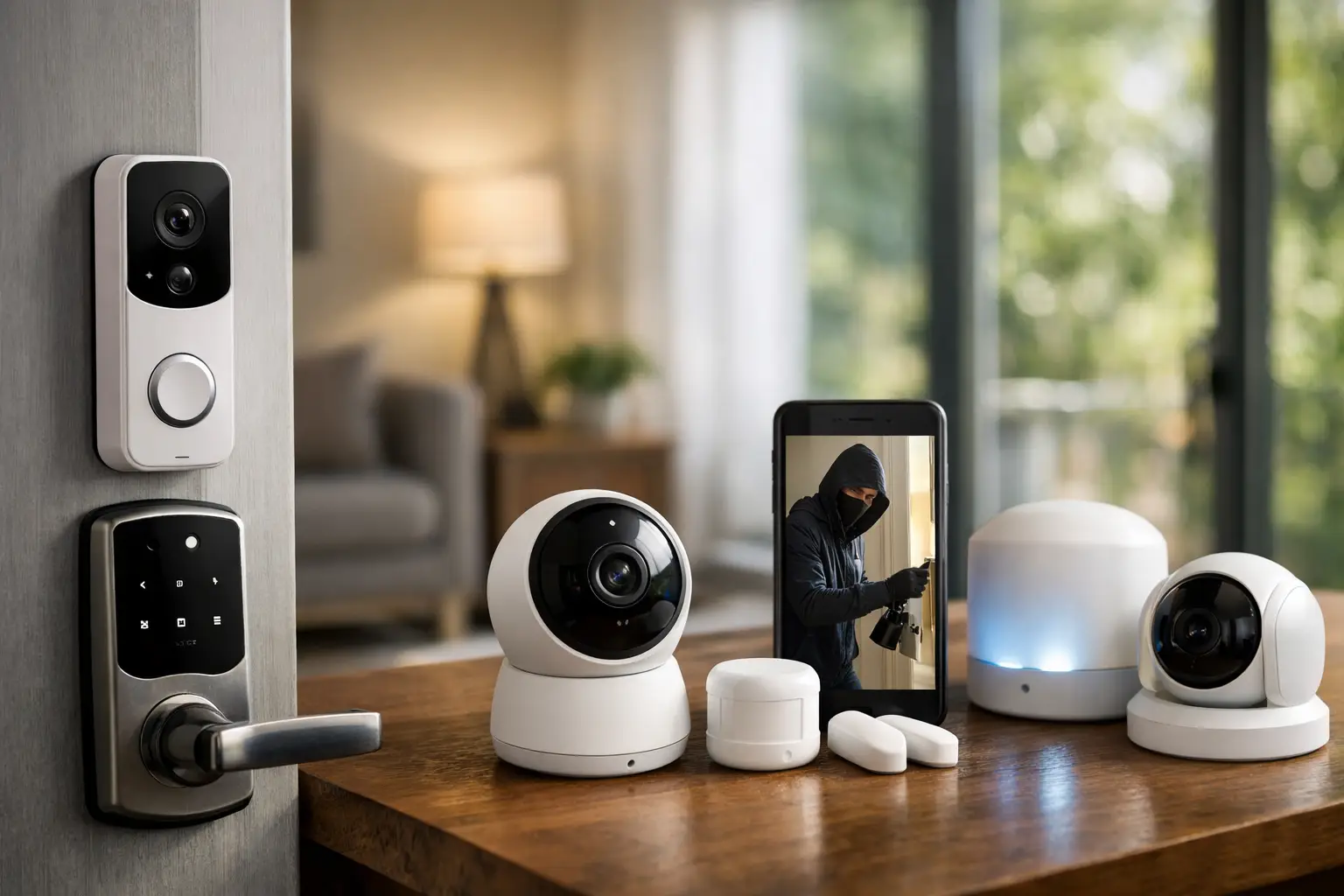
Home security is an essential part of creating a safe, comfortable, and well-protected living environment. Every homeowner wants to feel confident that family members, valuable belongings, and personal spaces are protected from potential threats. Modern technology has made it easier to improve home security through smart cameras, automated lighting, motion detectors, electronic locks, alarm systems, and remote monitoring tools. Instead of relying exclusively on traditional locks and basic precautions, homeowners can combine physical protection with intelligent technology to build a more comprehensive security strategy. A well-planned system can help identify unusual activity, discourage unauthorized entry, provide timely alerts, and make everyday security routines easier to manage. By evaluating the property’s layout, identifying vulnerable entry points, and selecting reliable devices, homeowners can establish a practical approach that supports long-term safety without making daily life unnecessarily complicated.
Why Home Security Matters
Home security matters because a property contains much more than furniture, electronics, and personal possessions. It is where families relax, children grow, important memories are created, and people expect privacy after a demanding day. A security weakness can create financial costs, emotional stress, and disruptions that take considerable time to overcome. Investing in home security helps reduce preventable risks by making unauthorized access more difficult and allowing residents to respond more quickly when something unusual happens. Strong doors, dependable locks, properly positioned cameras, and reliable alarms each contribute to a safer environment. Homeowners should also remember that effective protection involves more than purchasing equipment. Daily habits, routine maintenance, responsible access management, and awareness of potential hazards are equally important. Combining these measures creates a stronger foundation than depending on one device or assuming that a single security feature can address every possible concern.
Smart Technology for Home Security
Smart technology has transformed home security by allowing different devices to work together through connected systems. Depending on the equipment selected, homeowners can receive mobile notifications, view camera footage, manage compatible locks, and control lighting without being physically present inside the property. These features are especially useful for people who travel frequently, work outside the home, or want greater visibility into activity around their entrances. Automated routines can also help simplify everyday tasks, such as turning on selected lights in the evening or checking that compatible doors are locked before bedtime. A thoughtfully designed smart home environment can combine convenience with practical protection, provided the devices are configured correctly and maintained regularly. Homeowners considering an integrated system should look at compatibility, reliability, privacy controls, and ease of use before making a decision. The goal is to build a connected environment that improves awareness and supports dependable security rather than adding unnecessary complexity.
Security Cameras and Video Monitoring
Security cameras are valuable components of a home security strategy because they provide visibility around entrances, driveways, garages, and other areas that may require attention. A well-positioned camera can record activity, provide useful information about visitors, and help homeowners investigate unexpected events. Modern options may include night vision, motion detection, two-way audio, and smartphone access, although available features vary by model and service plan. When planning camera placement, homeowners should identify important access points and avoid leaving obvious blind spots. Outdoor cameras should be suitable for the weather conditions in which they will operate, while indoor cameras should be placed thoughtfully to protect personal privacy. It is also important to understand whether recordings are stored locally or through a cloud service, how long footage remains available, and who can access it. Cameras work best when combined with secure locks, lighting, and alarms because recording an incident is not the same as preventing entry or arranging an emergency response.
Smart Locks and Controlled Access
Locks are among the most important elements of home security because doors remain common access points for residents, guests, service providers, and potential intruders. Traditional deadbolts and sturdy door hardware provide an important physical foundation, while compatible smart locks can add convenient access management. Depending on the model, smart locks may allow entry through a keypad, approved smartphone, or temporary access code. These options can help homeowners manage visitors without leaving spare keys in predictable hiding places. Some devices also provide notifications about locking activity or allow users to check a door’s status remotely. However, electronic features should not replace sound physical security practices. Homeowners should select reputable products, create strong account passwords, install devices according to the manufacturer’s instructions, and maintain a backup entry method where appropriate. Access codes should be changed when no longer needed, and permissions should be reviewed periodically. Combining dependable hardware with careful access management helps make home security more convenient while preserving control over who can enter the property.
Motion Sensors and Intrusion Alerts
Motion sensors help improve home security by detecting activity in selected areas and triggering notifications, lights, or alarms when configured conditions are met. These devices may be installed near entryways, hallways, garages, or other locations where unexpected movement deserves attention. Door and window contact sensors provide another useful layer by identifying when a protected opening is opened. Together, these components can help homeowners become aware of activity that cameras might not capture clearly or that occurs outside their normal field of view. Proper placement is important because pets, moving curtains, heating vents, and other environmental factors can contribute to false alerts with certain devices. Homeowners should test sensors after installation and adjust settings according to the manufacturer’s recommendations. Notifications should also be configured so important events are noticeable without creating so many unnecessary alerts that users begin ignoring them. When integrated with an alarm system and a clear response plan, sensors can make home security more proactive and improve awareness of unexpected activity.
Automated Lighting for Better Protection
Lighting can contribute significantly to home security by making entrances, walkways, garages, and outdoor spaces easier to see. Dark areas may conceal movement, while well-lit surroundings can improve visibility for residents and cameras. Motion-activated lights can illuminate selected areas when movement is detected, helping residents identify activity and discouraging people from approaching unnoticed. Smart lighting systems may also allow homeowners to create schedules or control compatible lights remotely. For example, selected lights can operate during evening hours or follow a predictable routine when the property is occupied. Automation should be configured thoughtfully so lighting patterns remain practical and do not create unnecessary energy use or disturb neighbors. Homeowners should also inspect bulbs, sensors, and outdoor fixtures periodically to confirm that the equipment works correctly. Lighting is not a complete security solution on its own, but it can complement cameras, alarms, and secure entry points. When these elements are coordinated, home security becomes more visible, convenient, and consistent throughout everyday routines.
Protecting Smart Devices and Home Networks
Connected security devices depend on digital accounts and network connections, which means cybersecurity is an important part of modern home security. A camera, smart lock, alarm controller, or connected hub may expose sensitive information if its account is poorly protected or its software is neglected. Homeowners should change default passwords, use strong and unique credentials, enable multifactor authentication when available, and install software or firmware updates from trusted sources. The home router should also use modern security settings, and its administrator credentials should not remain at their factory defaults. Where supported, placing smart devices on a separate network can help limit their access to personal computers and other sensitive equipment. Users should review app permissions, remove accounts that no longer require access, and purchase products from manufacturers that provide clear privacy information and ongoing security updates. These precautions help reduce avoidable digital risks while allowing connected technology to support a reliable security plan. A smart device should make the property safer, not create an overlooked route to personal information.
Choosing a Home Security Company
Selecting the right provider can make a meaningful difference in how well a security system meets a household’s needs. Homeowners should compare equipment options, installation methods, monitoring services, compatibility, warranty terms, customer support, and recurring fees before committing to a particular solution. Some systems are designed for self-installation, while others benefit from professional planning and setup. The right choice depends on the property’s layout, the homeowner’s technical comfort, the desired level of monitoring, and the need to integrate security with other smart home features. A dependable provider should explain how the system works, identify its limitations, clarify any subscription requirements, and help users understand how to respond to alerts. Homeowners interested in connected living may consider a home security solution that works alongside compatible automation features to simplify everyday control. Before purchasing, it is wise to ask about system expansion, service availability, data handling, and what happens during an internet or power interruption. Clear answers can help prevent unexpected costs and make the final decision more informed.
Professional Installation and System Configuration
Professional installation can be useful when a home security system includes multiple devices, complex wiring, extensive camera coverage, or integration with existing smart home equipment. An experienced installer can help determine suitable camera positions, identify areas that require additional sensors, and configure compatible devices so they operate together as intended. Correct setup can also reduce avoidable problems such as unreliable connections, poor viewing angles, inconsistent alerts, and confusing controls. Before installation begins, homeowners should discuss their priorities, including the areas they want to monitor, the features they expect to use, and the level of control they want through a mobile application. They should also request clear instructions for arming and disarming alarms, managing user access, checking recordings, and responding to system notifications. After the work is complete, every major component should be tested, and the homeowner should know how to contact the provider for assistance. Professional guidance can improve the usability of home security, but ongoing maintenance and responsible use remain essential after installation.
Protecting Doors, Windows, and Entry Points
Even the most advanced electronic equipment cannot compensate for weak physical entry points. Homeowners should inspect exterior doors, window locks, sliding doors, garage access, and other openings to identify vulnerabilities that need attention. Solid doors, suitable deadbolts, reinforced strike plates, and properly maintained frames can help make forced entry more difficult. Window locks and supplementary security measures may be appropriate for accessible windows, depending on the building and local safety requirements. Garage doors should be kept closed when not in use, and any internal door connecting the garage to the living area should be secured appropriately. Spare keys should not be left in obvious outdoor locations, and access codes should be shared only with people who genuinely need them. These practical measures strengthen home security by addressing the physical places through which unauthorized access could occur. Periodic inspections are worthwhile because worn hardware, loose hinges, damaged frames, or malfunctioning locks can gradually reduce protection without attracting much attention.
Home Security During Vacations and Extended Absences
Travel and extended absences require additional planning because an empty property may not receive the same daily attention as an occupied home. Before leaving, homeowners should check that doors and windows are secured, activate the appropriate alarm settings, and confirm that cameras and notifications are functioning as expected. Automated lighting can help maintain normal-looking activity, while a trusted neighbor or authorized contact may be able to notice unusual conditions and collect deliveries when appropriate. Publicly sharing detailed travel plans can reveal that a home is unoccupied, so it is sensible to consider privacy before posting information online. Residents should also avoid allowing mail or packages to accumulate visibly for long periods. For connected devices, account access should be limited to trusted users, and remote monitoring applications should be protected by strong authentication. A vacation checklist helps turn these precautions into a repeatable routine. By preparing in advance, homeowners can reduce avoidable risks and enjoy greater peace of mind while away from their property.
Fire, Water, and Environmental Safety
Home security should include protection from more than unauthorized entry because fires, water leaks, and other household emergencies can cause significant damage. Smoke alarms, carbon monoxide alarms where appropriate, and water-leak sensors can provide early warnings that allow residents to respond before a problem becomes more serious. Some connected devices can send alerts to a smartphone or integrate with a compatible home system, although users should understand their operating requirements and limitations. Smoke and carbon monoxide alarms must be installed and maintained according to applicable safety guidance, and connected features should not be treated as substitutes for required alarms or emergency procedures. Water sensors can be particularly helpful near appliances, plumbing fixtures, water heaters, and other areas where leaks may go unnoticed. Homeowners should test safety devices regularly, replace batteries when needed, and follow manufacturer recommendations for replacement. Including environmental monitoring in a home security plan creates a broader approach to protecting people and property from both external threats and everyday household hazards.
Maintaining a Reliable Security System
Routine maintenance is necessary to keep home security equipment dependable over time. Cameras may need cleaning, batteries may require replacement, sensors can become misaligned, and network changes may affect how connected devices communicate. Homeowners should establish a simple schedule for checking equipment, testing alarms, reviewing notifications, and confirming that the system can be accessed through the appropriate application. Software and firmware updates should be installed when recommended, while expired subscriptions or changes in service terms should be reviewed so important functions do not unexpectedly stop working. It is also helpful to test the system after renovations, furniture rearrangement, router replacement, or changes to household access. If a device repeatedly disconnects or generates false alerts, the underlying cause should be investigated rather than ignored. Regular maintenance protects the investment and helps ensure that security measures remain useful as household needs evolve. A system that is installed carefully but neglected afterward may provide less protection than expected, so continued attention is a key part of long-term reliability.
Balancing Security, Privacy, and Convenience
Effective home security should protect residents without making the home uncomfortable or unnecessarily intrusive. Cameras and microphones should be placed with privacy in mind, and homeowners should understand what information their devices collect, where recordings are stored, and who may be able to view them. Household members should know which areas are monitored and how the system operates, while guests and service providers should be treated with appropriate consideration. Digital access should be reviewed whenever a household member moves out, a service relationship ends, or a device is transferred to someone else. Homeowners should also avoid enabling features they do not understand or need, particularly when those features require additional data access. A carefully configured system can provide useful alerts and convenient control while respecting personal boundaries. By evaluating both safety benefits and privacy implications, residents can make more thoughtful choices about the technology they bring into their homes and maintain a healthier balance between protection and everyday comfort.
Conclusion
Home security is most effective when physical protection, smart technology, digital privacy, and consistent household habits work together. Strong locks, well-positioned cameras, reliable alarms, motion sensors, automated lighting, and environmental detectors can each contribute to a safer living environment when selected and maintained appropriately. Homeowners should assess their property’s specific needs, compare available systems, and prioritize equipment that is reliable, easy to operate, and suitable for their daily routines. Professional installation may be helpful for complex systems, while regular testing and software updates support dependable performance over time. It is equally important to protect connected accounts, manage access carefully, and understand the limitations of every device. With thoughtful planning and ongoing attention, home security can become a practical part of everyday life, helping residents protect their belongings, preserve privacy, and feel more confident in the safety of their home.


How Professional Forklift Service Supports Long-Term Industrial Productivity

The Importance of Regular HVAC Tune Up Services for Reliable Home Comfort

Building a Reliable Plumbing System Through Professional Pipe Installation

Metal Roof Cleaning: Essential Practices for Maintaining a Durable and Attractive Roof

Ductless Mini Split Installation: A Modern Approach to Efficient Heating and Cooling

Protecting Your Plumbing System with Professional Sewer Line Repair

Elevating Outdoor Living with Beautiful and Functional Patio Cover Designs

Shingle Roof Repair: Protecting Your Home with Reliable Roofing Solutions

Best Boneless Sofas 2026: Cloud Comfort & No-Assembly Picks

Cove Lighting and False Ceilings: Creating a Soft, Layered Glow

Suncoast, Sun City & Montecasino: SA's Big Casinos vs Playing Online (2026)

Inside the Multi-Million Dollar Gaming Economy: How Streamers and Digital Assets Drive the Virtual Currency Boom

Subscription fatigue: a simple review and PennyGuard

What Happens After an Arrest? A Guide from Criminal Lawyers in Bankstown

Why Blackjack Is Still One of the World’s Favorite Casino Games

Walking the Legal End of the Estate Executor Journey in Queensland


Don Toliver Net Worth: Height, Age, Real Name, Career & More
Don Toliver is an American rapper and singer best known for his RIAA platinum certified songs, No Idea and After...


Finesse2tymes Net Worth: Height, Age, Real Name & Career
Finesse2tymes is an American rapper and recording artist. He is mainly recognized for his thunderous voice and motivational lyrics in...


Sugarhill Ddot Net Worth: Height, Age, Real Name & Career
Sugarhill Ddot is an American hip-hop recording artist best known for his songs, Real Facts and I Wanna Love You....


GloRilla Net Worth: Height, Age, Bio, Real Name & Career
GloRilla is an American rapper and hip-hop recording artist from Memphis. She is best known for her popular singles, “Westside...


Destroy Lonely Net Worth: Height, Age, Real Name & Career
Destroy Lonely is an American rapper best known for his 2022 mixtape, No Stylist. He is currently signed to rapper...
-
Rappers2 years ago
GloRilla Net Worth: Height, Age, Bio, Real Name & Career
-

 News3 years ago
Trash To Treasure: Maximizing Space And Efficiency Through Junk Removal
-

 Businessman3 years ago
7 Proven Lead Generation Strategies To Implement in 2023
-
 Businessman2 years ago
Brandon Fugal Net Worth: How Rich is Skinwalker Ranch Owner?
-

 Rappers4 years ago
BigXthaPlug Net Worth: Height, Age, Real Name & Career
-

 TV Stars2 years ago
Kaleb Cooper Net Worth: How Rich is the TV Star Actually?
-

 Internet Stars4 years ago
Mufti Menk Net Worth: How Rich is the Islamic Speaker Actually?
-

 TV Stars2 years ago
Carla Diab Net Worth: How Rich is the TV Star Actually in 2025?
You must be logged in to post a comment Login