
Technology
Why Logistics Companies Are Investing in Android App Development

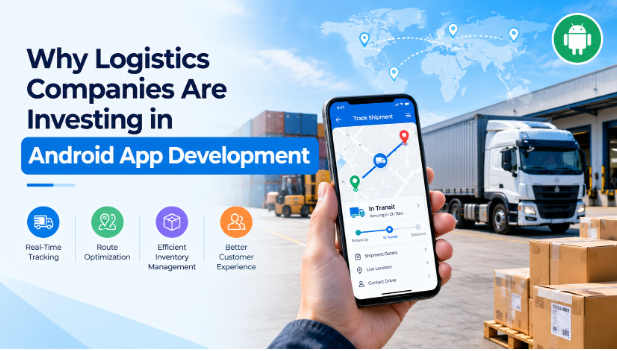
Logistics companies have been making great use of digital technologies for optimizing processes, reducing operating costs, and providing superior customer experience. Logistics operations used to require paperwork and telephone communications, which could take too much time and create gaps in communication. There are solutions that Android app development can offer to help businesses deal with logistics-related challenges in a convenient way.
Due to the increasing demands of customers, companies working with logistics try to utilize mobile applications in order to optimize processes and stay ahead of the competitors.
1. Real-Time Shipment Tracking
Logistics companies choose Android applications because they enable real-time shipment tracking, which stands as their primary investment driver. Customers want accurate information about their orders, including shipment locations, estimated arrival times, and delivery status.
Android applications use GPS technology together with mapping services to deliver shipment tracking information, which updates in real time. Logistics managers keep track of deliveries while they discover unexpected delivery delays and they need to send vital information to their clients.
The system sends automated alerts to customers, which provide them with information about their orders from the moment of dispatch until successful delivery. The system reveals all its operations, which results in lower customer confusion and reduced questions from clients and better trust between logistics companies and their customers.
2. Efficient Fleet Management
Organizations need to manage their vehicle operations by organizing their vehicle deployment system and service scheduling and fuel consumption tracking and driver monitoring activities. The lack of proper technology makes these duties become both difficult to handle and costly to perform.
Android applications simplify fleet management by bringing essential vehicle information into one accessible system. Managers use the system to track their vehicles while they distribute delivery work and check how drivers perform and plan their maintenance needs.
The system provides businesses with tools to enhance their vehicle operations through better allocation of vehicles and cost reduction for non-essential expenses. Fleet management applications let managers track driver work hours and vehicle routes and system performance, which helps them find operational issues at an early stage.
Logistics companies achieve better fleet visibility, which enables them to handle their transportation operations better while they keep their delivery schedules on track.
3. Better Route Optimization
The delivery process experiences increased fuel consumption and higher transportation costs and longer delivery durations because of inefficient routing systems. The logistics industry faces multiple obstacles because of traffic congestion and road closures and insufficient planning.
Android applications enable users to combine GPS navigation with traffic data and route optimization systems, which assist drivers in finding their best path choices. Businesses that need to handle various deliveries must schedule their stops based on how far they are and which packages need urgent delivery and their planned delivery times.
The system generates optimal routes, which decrease extra driving distance while allowing drivers to work more efficiently. Delivery teams receive updated instructions from dispatch teams when roads become obstructed or when unanticipated delays occur.
The system enables logistics companies to achieve faster deliveries while they maintain their transportation expenses and achieve better operational system performance.
4. Improved Communication and Coordination
The success of logistics operations depends on drivers and dispatchers and warehouse employees and customers who need to communicate effectively with each other. Miscommunication creates delivery failures, which produce wrong shipment data that results in lost time.
Android applications offer users a single platform which allows them to share delivery instructions and assign tasks and receive vital updates. Push notifications serve as a communication tool that delivers schedule modifications and new work assignments and customer service requests to drivers.
The digital proof-of-delivery system enables drivers to use their mobile phones for taking pictures and obtaining signatures and verifying delivery details.
The tools decrease document handling while they strengthen both responsibility tracking and timely distribution of essential data to suitable personnel.
5. Reduced Operational Costs
Logistics companies that function in competitive markets need to control their operational expenses. The business faces major profitability impacts because of fuel costs and vehicle maintenance expenses and administrative work and failed deliveries.
Android applications help users reduce their operational costs through the automation of routine activities, which also improves their ability to allocate resources effectively. The process of digital documentation reduces all paper-based work, while automated dispatch systems make delivery work assignment easier, and route optimization systems reduce the distance that needs to be covered.
Managers can detect operational problems through real-time monitoring, which helps them prevent these issues from turning into expensive problems.
The creation of an application needs an initial financial commitment, which leads to better work efficiency and reduced mistakes and increased operational efficiency with resources. Businesses need to assess their particular requirements together with their predicted financial gains when they develop their approach for mobile application deployment.
6. Enhanced Customer Experience
Customers in the present day demand easy access to services while they need precise tracking details, and they want to get their packages on time. The mobile-friendly Android applications provide logistics companies with basic user interfaces which help them reach their target customers.
Customers need to contact customer support only once because they can check shipment information while getting delivery notifications and viewing predicted delivery schedules and essential order details.
The business needs determine which features should appear in applications through the combination of digital payment systems and delivery change options and feedback submission capabilities and electronic delivery verification systems.
A better customer experience leads to higher customer satisfaction and creates a stronger brand image. Service providers in logistics use their features to create unique service offerings, which help them develop lasting customer partnerships.
7. Data Analytics and Better Decisions
The operation of logistics systems creates essential data that shows delivery schedules and vehicle operational metrics and fuel usage information and customer buying patterns. Businesses can use data analysis to discover their weak points, which they need to address through strategic enhancements.
The operational data from Android applications connects with analytics platforms, which create reports and dashboards for data presentation. Performance monitoring through indicators allows managers to detect ongoing delivery problems, which they can use to assess their delivery system performance.
The research findings help organizations to develop their workforce planning methods and improve their inventory management systems and demand prediction approaches. Logistics companies use data-driven decision-making to distribute their resources properly, which leads to ongoing operational advancements.
8. Customized Solutions for Business Requirements
Each logistics company operates with unique operational needs and delivery approaches and maintains specific expectations from their customers. The basic application lacks all the required features that organizations need to handle their distinct business processes.
Businesses can develop customized applications through their partnership with Custom Android App Development Company, which creates solutions based on their unique requirements. The system offers solutions that consist of driver management and shipment tracking and warehouse coordination and customer portals and transportation management system integration with existing systems.
Conclusion
Logistics companies have started using Android app development to boost their operational performance while they decrease their operational costs and enhance their customer service delivery. The combination of real-time tracking and fleet management and route optimization and automated communication and data analytics systems provides logistics operations with improved organization and better visibility.
Custom Android app development companies help businesses create tailored solutions that solve their particular problems while enabling their business growth in the future. Logistics providers who choose proper mobile technology investments will achieve a better market position through enhanced delivery dependability and optimized supply network operations.


Why Logistics Companies Are Investing in Android App Development

No Deposit Bonus Casinos in the UK: Why Players Look for Free Casino Offers

WIN777 Compares Short High Energy Play versus Extended Gaming Sessions

Caspian Osetra Karat: The Caviar That Brought the Caspian Flavor Back

How to Make Your Small Business Look More Professional

Online Gaming and Comedy Gold: Kevin Hart Takes to the (Digital) Stage

Hiring Trends in Chennai: Investment Banking + Financial Analytics Skills Are Winning in 2026

Erryn Barkett: Why Growing Assets Call for Regularly Updated Insurance Coverage

Safer Aging at Home: A Daily Plan for Mobility, Fall Prevention, and Peace of Mind
Online Gaming and Comedy Gold: Kevin Hart Takes to the (Digital) Stage

Mexico City museums, parks and food markets: a culture-first itinerary

Top 6 AI Document Processing Platforms for Enterprise Workflow Automation

How Bigger Match Payouts Actually Change FC 27 Weekend Prep

ADA Signage: What Every Business Should Know About Interior Signs

How an Edit Stays Useful After the Face Paste Stops Impressing Anyone

What are the Benefits of Receiving Healthcare Services at Home?


Don Toliver Net Worth: Height, Age, Real Name, Career & More
Don Toliver is an American rapper and singer best known for his RIAA platinum certified songs, No Idea and After...


Finesse2tymes Net Worth: Height, Age, Real Name & Career
Finesse2tymes is an American rapper and recording artist. He is mainly recognized for his thunderous voice and motivational lyrics in...


Sugarhill Ddot Net Worth: Height, Age, Real Name & Career
Sugarhill Ddot is an American hip-hop recording artist best known for his songs, Real Facts and I Wanna Love You....


GloRilla Net Worth: Height, Age, Bio, Real Name & Career
GloRilla is an American rapper and hip-hop recording artist from Memphis. She is best known for her popular singles, “Westside...


Destroy Lonely Net Worth: Height, Age, Real Name & Career
Destroy Lonely is an American rapper best known for his 2022 mixtape, No Stylist. He is currently signed to rapper...
-
Rappers2 years ago
GloRilla Net Worth: Height, Age, Bio, Real Name & Career
-

 News2 years ago
Trash To Treasure: Maximizing Space And Efficiency Through Junk Removal
-

 Businessman3 years ago
7 Proven Lead Generation Strategies To Implement in 2023
-
 Businessman2 years ago
Brandon Fugal Net Worth: How Rich is Skinwalker Ranch Owner?
-

 Rappers3 years ago
BigXthaPlug Net Worth: Height, Age, Real Name & Career
-

 TV Stars2 years ago
Kaleb Cooper Net Worth: How Rich is the TV Star Actually?
-

 Internet Stars4 years ago
Mufti Menk Net Worth: How Rich is the Islamic Speaker Actually?
-

 TV Stars2 years ago
Carla Diab Net Worth: How Rich is the TV Star Actually in 2025?
You must be logged in to post a comment Login