
Technology
Creating a Warmer Home Through Smarter Heating Solutions

A comfortable home depends on a heating system that delivers reliable warmth, operates efficiently, and supports the needs of everyone living inside the property. When temperatures drop, an unreliable heater can make daily activities uncomfortable, increase energy consumption, and place additional pressure on household budgets. Choosing the right equipment and ensuring that it is installed correctly can make a significant difference in indoor comfort and long-term performance. Professional heater installation helps homeowners establish an effective heating solution that suits their property’s size, existing HVAC infrastructure, and energy requirements. From evaluating equipment options to checking system safety and optimizing airflow, every stage of the installation process contributes to dependable operation. Understanding how modern heating systems work, what factors influence installation decisions, and how regular maintenance protects equipment can help homeowners make practical investments that deliver lasting value.
Selecting the Best Heating System
Choosing a heating system requires more consideration than simply purchasing a unit with a suitable price. Different homes have different heating demands, and the most appropriate equipment depends on several factors, including square footage, insulation quality, ceiling height, window efficiency, and the condition of the existing heating infrastructure. Furnaces, heat pumps, and boilers each offer distinct advantages, but their suitability depends on the property’s layout and available utilities. A furnace may work well in a home with compatible ductwork, while a heat pump can provide both heating and cooling through a single system. Boilers are designed for properties with compatible hydronic heating arrangements, using heated water to distribute warmth through radiators or other suitable components.An experienced HVAC technician can evaluate these requirements and recommend equipment that balances comfort, efficiency, and operating costs. Selecting a system without assessing the home’s actual heating load may result in unnecessary expenses or disappointing performance. Equipment that is too small might struggle to maintain the desired temperature during colder weather, while an oversized unit may cycle too frequently and experience additional wear. Professional calculations help determine the appropriate capacity by considering heat loss, insulation, air leakage, and other important characteristics. This assessment provides a stronger foundation for selecting equipment that performs consistently rather than relying on assumptions or the specifications of an older system.
Recognizing the Value of Professional Installation
The quality of installation has a direct impact on how effectively a heating system performs throughout its service life. Even advanced equipment can experience problems when its connections, airflow, controls, or ventilation arrangements are not configured correctly. Professional technicians follow manufacturer instructions, assess the installation environment, and ensure that the equipment is suitable for the property’s existing infrastructure. Their experience also helps identify potential problems before they interfere with normal operation, including inadequate electrical capacity, damaged ductwork, unsuitable venting, or insufficient clearance around the equipment.Professional heater installation involves much more than positioning a new unit and switching it on. Depending on the equipment, the process may require electrical connections, fuel lines, refrigerant piping, condensate drainage, duct modifications, thermostat configuration, and safety testing. Each component must work correctly with the rest of the system to provide reliable performance. Improper connections can cause operating inefficiencies, repeated breakdowns, or dangerous conditions that threaten occupants and property. Qualified professionals understand the precautions associated with different heating technologies and can verify that the completed system operates according to the manufacturer’s specifications and applicable building requirements. This attention to detail helps homeowners avoid preventable complications and protects their investment.
Improving Energy Efficiency
Energy efficiency is an important factor when planning a heating upgrade because heating equipment can account for a substantial portion of a home’s energy consumption. Modern systems may offer improved efficiency compared with older equipment, but the benefits depend on selecting the right model and ensuring that it operates under suitable conditions. Homeowners should compare available efficiency ratings, expected operating costs, and the features that matter most to their households. Equipment should be selected according to actual heating requirements rather than advertised capacity alone, because a system that is poorly matched to the property may not deliver the expected savings.The surrounding building also affects energy use. Poor insulation, gaps around windows, air leaks near doors, and insufficient attic insulation allow heat to escape, forcing the heating system to work harder to maintain comfortable temperatures. Addressing these problems can reduce the heating load and support more efficient operation. Homeowners can also improve performance by keeping vents unobstructed, replacing air filters when necessary, and using appropriate thermostat settings. These improvements work together with correctly installed equipment to reduce wasted energy while maintaining a pleasant indoor environment. Over time, consistent attention to both the heating system and the building envelope can contribute to more predictable household energy expenses.
Preparing for a Smooth Installation
Preparation helps an installation project proceed efficiently and reduces the risk of unnecessary delays. Before work begins, the technician should inspect the existing equipment, identify the available connections, review the condition of accessible ductwork, and determine whether any modifications are necessary. If an older heater is being replaced, the contractor should confirm that the existing electrical supply, ventilation arrangement, and other supporting components are compatible with the new unit. Addressing these details in advance helps establish a realistic installation plan and gives homeowners a clearer understanding of the work involved.Property owners can assist by clearing the area around the heating equipment, ensuring that technicians have safe access to relevant spaces, and sharing information about recurring performance problems. Rooms that remain cold, unusual noises, frequent system shutdowns, or unexplained increases in energy bills may provide useful clues about the existing system’s condition. Discussing these concerns before installation allows the technician to investigate whether additional improvements could benefit the property. Homeowners should also ask about project timing, equipment specifications, warranty conditions, and any expected changes to the existing HVAC setup. Clear communication supports better planning and helps ensure that important details are not overlooked.
Maintaining Consistent Indoor Comfort
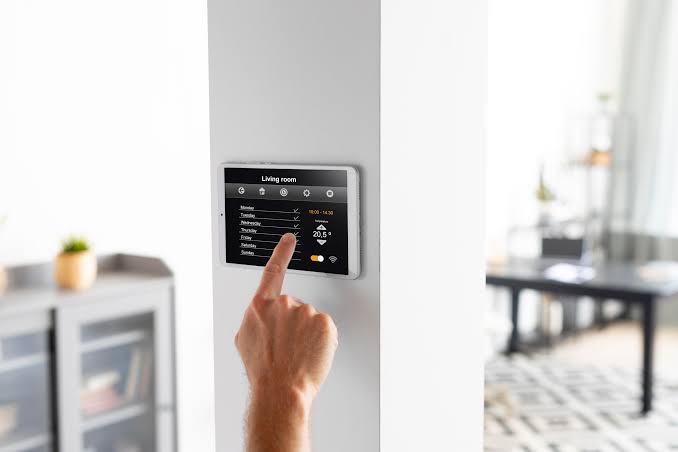
A heating system should do more than produce warm air or heated water; it should help maintain comfortable temperatures throughout the home. Uneven heating can occur when airflow is restricted, ductwork has leaks, insulation varies between rooms, or the equipment has not been properly sized. For example, a living room may feel comfortable while bedrooms remain chilly because air is not distributed evenly. A professional assessment can identify the causes of these differences and determine whether airflow balancing, duct sealing, thermostat adjustments, or other improvements would help.Thermostat placement and configuration are also important. A thermostat installed near a drafty doorway, in direct sunlight, or close to a heat-producing appliance may detect temperatures that do not accurately represent the rest of the home. This can cause the system to operate longer or stop heating before other rooms reach a comfortable temperature. Compatible programmable thermostats allow homeowners to establish schedules based on daily routines, while smart controls may provide remote access and additional monitoring features. The best solution depends on equipment compatibility and household preferences. Proper setup ensures that these controls support comfort without creating unnecessary complexity or energy waste.
Understanding Different Heating Technologies
Furnaces remain a common choice for properties equipped with compatible ductwork. Depending on the model, they may use natural gas, propane, electricity, or another approved energy source to generate heat. The resulting warmth is distributed through the building using a blower and duct system. Selecting a furnace requires attention to heating capacity, efficiency ratings, ventilation needs, and the condition of the existing distribution network. Regular inspections and appropriate maintenance help keep the equipment operating reliably and allow technicians to identify developing issues before they become major concerns.Heat pumps operate differently by transferring heat rather than relying exclusively on generating it through combustion or electric resistance. Many systems can provide both heating and cooling, making them an appealing option for homeowners seeking year-round temperature control. Their performance depends on the equipment design, outdoor conditions, installation quality, and the building’s heating requirements. Boilers provide another option for suitable properties, distributing heat through hot water or steam systems designed for the equipment. Because each technology has specific installation requirements, homeowners should discuss the available choices with an HVAC professional who can evaluate their property’s needs and explain the practical differences between systems.
Identifying Signs That Replacement May Be Necessary
Heating equipment often provides warning signs when its performance begins to decline. Frequent repairs, inconsistent temperatures, unusual noises, repeated shutdowns, and rising energy consumption can indicate that the system requires professional attention. These symptoms do not automatically mean that replacement is necessary, since a dirty filter, faulty thermostat, restricted airflow, or damaged component may be responsible. A qualified technician can inspect the equipment, identify the underlying issue, and explain whether repairing the existing unit remains a reasonable option.The age and maintenance history of the system should also influence the decision. An older heater that has received regular servicing may continue to operate dependably, while a neglected unit may experience problems earlier than expected. When repair expenses become frequent or important components fail, homeowners should compare the cost of continued maintenance with the benefits of installing new equipment. A replacement may offer improved efficiency, more consistent comfort, updated controls, and greater reliability. However, the decision should be based on the condition of the equipment, repair estimates, energy performance, and household needs rather than age alone.
Making Heating Safety a Priority
Safety must remain central to every heating project, especially when the equipment uses combustible fuel. Gas-fired heaters require properly installed fuel connections, suitable combustion air, and effective exhaust venting to help prevent dangerous operating conditions. Inadequate combustion or ventilation problems can contribute to carbon monoxide exposure, which may cause serious illness or death. Homeowners should install and maintain carbon monoxide alarms according to applicable safety guidance and the alarm manufacturer’s instructions. If an alarm sounds or carbon monoxide exposure is suspected, everyone should leave the building for fresh air and contact emergency services from a safe location.Electrical safety also deserves careful attention. Heating systems may draw substantial power and contain components that require appropriate wiring, grounding, circuit protection, and secure connections. Installation should follow the equipment manufacturer’s instructions and applicable electrical codes. Homeowners should keep combustible materials away from equipment and maintain the clearances specified for the particular model. Burning smells, smoke, unusual electrical noises, repeated breaker trips, or signs of fuel leakage should never be ignored. The equipment should be shut down when it is safe to do so, and a qualified professional should investigate the problem before the system returns to normal use.
Controlling Installation Costs
A heating project should be planned with a clear understanding of the initial investment and ongoing ownership expenses. Equipment prices vary according to system type, capacity, efficiency, manufacturer, and available features. Installation costs may also depend on labor requirements, accessibility, electrical upgrades, ventilation modifications, ductwork repairs, and the removal of existing equipment. Comparing estimates helps homeowners understand the proposed scope of work and identify differences between contractors’ recommendations. A useful estimate should explain which equipment will be installed, what work is included, and whether additional charges may apply if unexpected problems are discovered.The least expensive option is not always the most economical over the long term. A low-priced system may have higher operating costs or may not provide the features and capacity required by the property. Conversely, a premium model may offer capabilities that a household rarely uses. Homeowners should evaluate efficiency, expected energy consumption, warranty coverage, service requirements, and installation quality together. Asking questions about available equipment options and the reasoning behind the contractor’s recommendation helps clarify the value of each proposal. A balanced decision can provide dependable heating without placing unnecessary pressure on the household budget.
Extending Equipment Life Through Maintenance
Regular maintenance helps protect heating equipment against preventable wear and supports reliable operation throughout the heating season. Depending on the system, professional servicing may include inspecting electrical connections, testing safety controls, examining burners, checking ventilation, reviewing thermostat operation, and evaluating airflow. Technicians can also identify components that show signs of deterioration and recommend appropriate repairs before a minor issue causes a complete system failure. The required service schedule varies by equipment type and manufacturer, so homeowners should follow the maintenance instructions provided with their system.Simple household tasks can also contribute to dependable performance. Air filters should be checked regularly and cleaned or replaced according to the manufacturer’s guidance. Supply and return vents should remain clear of furniture, curtains, and other obstructions that interfere with airflow. Homeowners should pay attention to changes in operating noise, heating consistency, and energy consumption, as these may indicate a developing problem. Keeping maintenance records and scheduling inspections at appropriate intervals makes it easier to track the system’s condition. Although maintenance cannot prevent every breakdown, it helps preserve efficiency, supports safety, and may reduce the likelihood of unexpected repair expenses.
Choosing a Qualified HVAC Contractor
The contractor responsible for a heating project plays an important role in determining the final quality of the installation. Homeowners should look for professionals with relevant training, appropriate licensing where required, suitable insurance, and experience working with the selected equipment type. A qualified contractor should be willing to assess the property, explain equipment recommendations, answer questions, and provide a clear written estimate. Recommendations should be supported by the home’s heating requirements rather than based exclusively on price or the availability of a particular unit.Communication is another important consideration. Before approving the project, homeowners should understand the installation timeline, preparation requirements, expected service interruptions, warranty conditions, and procedures for handling unexpected issues. It is also useful to ask whether the contractor will test the completed system, explain its operation, and provide documentation for future maintenance. A professional approach includes attention to safety, respect for the property, and clear information about the work performed. Selecting a qualified HVAC contractor helps homeowners feel more confident that the equipment will be installed correctly and supported by appropriate service.
Conclusion
A reliable heating system is an important investment in everyday comfort, energy management, and household safety. Selecting suitable equipment, evaluating the property’s heating requirements, and ensuring professional workmanship can make a substantial difference in how effectively a system performs. Homeowners should consider equipment efficiency, proper sizing, indoor airflow, installation costs, and long-term maintenance when planning an upgrade. Professional heater installation creates an opportunity to improve system compatibility, address existing heating concerns, and establish dependable operation from the beginning. By working with qualified HVAC technicians, following manufacturer recommendations, and responding promptly to maintenance needs, property owners can reduce avoidable problems and protect their investment. A thoughtful approach to heating provides a practical foundation for consistent indoor comfort, responsible energy use, and reliable performance throughout the colder months.


How Professional Forklift Service Supports Long-Term Industrial Productivity

The Importance of Regular HVAC Tune Up Services for Reliable Home Comfort

Building a Reliable Plumbing System Through Professional Pipe Installation

Metal Roof Cleaning: Essential Practices for Maintaining a Durable and Attractive Roof

Ductless Mini Split Installation: A Modern Approach to Efficient Heating and Cooling

Protecting Your Plumbing System with Professional Sewer Line Repair

Elevating Outdoor Living with Beautiful and Functional Patio Cover Designs

Shingle Roof Repair: Protecting Your Home with Reliable Roofing Solutions

Best Boneless Sofas 2026: Cloud Comfort & No-Assembly Picks

Cove Lighting and False Ceilings: Creating a Soft, Layered Glow

Suncoast, Sun City & Montecasino: SA's Big Casinos vs Playing Online (2026)

Inside the Multi-Million Dollar Gaming Economy: How Streamers and Digital Assets Drive the Virtual Currency Boom

Subscription fatigue: a simple review and PennyGuard

What Happens After an Arrest? A Guide from Criminal Lawyers in Bankstown

Why Blackjack Is Still One of the World’s Favorite Casino Games

Walking the Legal End of the Estate Executor Journey in Queensland


Don Toliver Net Worth: Height, Age, Real Name, Career & More
Don Toliver is an American rapper and singer best known for his RIAA platinum certified songs, No Idea and After...


Finesse2tymes Net Worth: Height, Age, Real Name & Career
Finesse2tymes is an American rapper and recording artist. He is mainly recognized for his thunderous voice and motivational lyrics in...


Sugarhill Ddot Net Worth: Height, Age, Real Name & Career
Sugarhill Ddot is an American hip-hop recording artist best known for his songs, Real Facts and I Wanna Love You....


GloRilla Net Worth: Height, Age, Bio, Real Name & Career
GloRilla is an American rapper and hip-hop recording artist from Memphis. She is best known for her popular singles, “Westside...


Destroy Lonely Net Worth: Height, Age, Real Name & Career
Destroy Lonely is an American rapper best known for his 2022 mixtape, No Stylist. He is currently signed to rapper...
-
Rappers2 years ago
GloRilla Net Worth: Height, Age, Bio, Real Name & Career
-
 News3 years ago
Trash To Treasure: Maximizing Space And Efficiency Through Junk Removal
-

 Businessman3 years ago
7 Proven Lead Generation Strategies To Implement in 2023
-
 Businessman2 years ago
Brandon Fugal Net Worth: How Rich is Skinwalker Ranch Owner?
-

 Rappers4 years ago
BigXthaPlug Net Worth: Height, Age, Real Name & Career
-

 TV Stars2 years ago
Kaleb Cooper Net Worth: How Rich is the TV Star Actually?
-

 Internet Stars4 years ago
Mufti Menk Net Worth: How Rich is the Islamic Speaker Actually?
-

 TV Stars2 years ago
Carla Diab Net Worth: How Rich is the TV Star Actually in 2025?
You must be logged in to post a comment Login