
Articles
How to Maintain a Pest-Free Property After Treatment

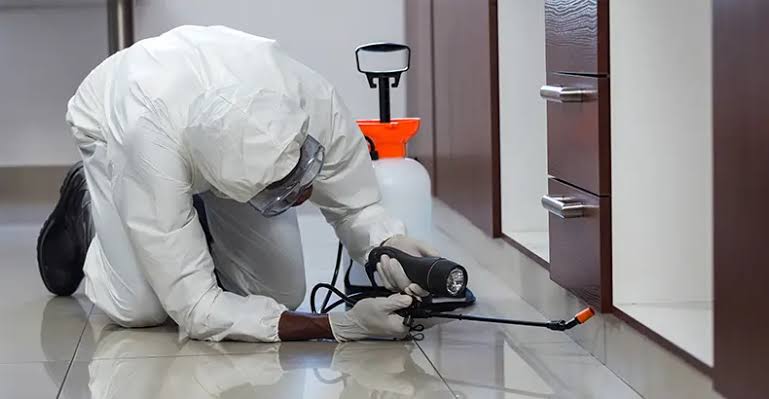
Professional pest treatment can remove an active problem, but keeping pests away takes continued attention. Insects and rodents can return when food, water, shelter, or easy entry points remain available around the property.
The good news is that post-treatment pest prevention does not need to be complicated. A few consistent habits can help protect the work already completed and make future infestations less likely. The key is to focus on the conditions that attract pests instead of waiting until you see them again.
Follow the Post-Treatment Instructions Carefully
Every pest treatment has its own instructions. Some treated areas need to stay untouched for a period of time, and certain bait stations or monitoring devices need to remain exactly where the technician placed them.
If you worked with H.E. Williams Termite & Pest Control, or any other pest service, reviews the instructions provided after treatment before cleaning, moving furniture, or applying additional products. Washing treated surfaces too soon or spraying over professional bait can reduce the effectiveness of the original treatment.
Ask how much activity you should expect after the visit. A few insects may still appear as the treatment reaches hidden areas. Knowing the expected timeline can help you tell the difference between normal post-treatment activity and a problem that needs another inspection.
Keep Food Stored in Sealed Containers
Food is one of the strongest pest attractants inside a home. Ants, cockroaches, rodents, pantry pests, and flies can survive on small amounts of crumbs or spilled food.
Transfer dry goods such as flour, cereal, rice, pasta, snacks, and pet food into containers with tight lids. Cardboard boxes and thin bags offer little protection from determined pests.
Clean shelves when spills occur and check older pantry items before adding new groceries. A forgotten bag of flour or pet food can become a hidden feeding source.
Pay attention to food stored in garages too. Bird seed, grass seed, pet food, and bulk goods can attract rodents when left in easy-to-open bags.
Clean Kitchens Beyond the Countertops
A clean-looking kitchen can still provide plenty of food for pests. Grease and crumbs often collect beneath appliances, inside cabinets, and along wall edges.
Move small appliances from time to time and wipe underneath them. Check the areas around the stove, refrigerator, toaster, and microwave where food particles can build up.
Clean spills as soon as you notice them. Sticky residue from juice, soda, syrup, or cooking oils can attract ants and cockroaches.
Do not forget the floor beneath cabinets and kitchen islands. These hidden edges often hold enough debris to support pest activity long after visible surfaces have been cleaned.
Manage Garbage and Recycling
Trash can quickly attract insects and rodents. Use containers with secure lids and empty indoor garbage regularly.
Wash bins when food residue collects inside them. A closed trash can may still attract pests when the interior smells strongly of food.
Rinse recyclable bottles and cans before storing them indoors. Sugary residue can attract ants, flies, and cockroaches.
Outdoor garbage bins should stay closed and away from doors where practical. Clean spilled waste around the bin area rather than letting it build up between collection days.
Remove Easy Water Sources
Pests need water, and small leaks can provide enough moisture to keep an infestation going. Inspect sinks, toilets, washing machines, water heaters, and plumbing connections for dripping or dampness.
Look inside cabinets for stains or swelling that may point to a slow leak. Condensation on pipes can create moisture too.
Dry wet areas rather than leaving standing water overnight. Kitchens, bathrooms, laundry rooms, and basements deserve extra attention.
Outdoor irrigation can create similar problems. Leaks, clogged drainage areas, and sprinklers hitting the foundation can leave soil wet close to the structure.
Seal Cracks and Entry Points
Treating pests inside the home only solves part of the problem if new pests can keep entering.
Inspect gaps around windows, doors, vents, pipes, utility lines, siding, and the foundation. Replace damaged weather stripping and repair torn window screens.
Door sweeps are easy to overlook. If you can see light beneath an exterior door, insects may have room to enter.
Rodent openings need tougher materials. Mice and rats can chew through many soft fillers, so larger gaps may need metal mesh, flashing, or another durable repair.
Keep an Eye on the Garage
Garages often provide pests with food, shelter, and easy access indoors. Cardboard boxes, stored pet food, clutter, and gaps around garage doors can all contribute to problems.
Store items in sealed containers where practical. Keep the floor clear enough to spot droppings, insects, or nesting material early.
Inspect the lower corners of garage doors for gaps. Worn seals can provide an easy route for rodents and insects.
Avoid leaving food waste or open animal feed in the garage. A pest problem can start there and move into the main house.
Reduce Clutter in Storage Areas
Clutter creates protected hiding places for pests. Stacked cardboard, paper bags, old clothing, and rarely moved items can shelter cockroaches, spiders, rodents, and other pests.
Keep storage organized so you can inspect floors and walls. Plastic bins with secure lids can be easier to manage than old cardboard boxes.
Move stored items away from walls where possible. This gives you a clearer view of droppings, gnaw marks, webs, and insect activity.
You do not need to remove everything from storage areas. The goal is to make these spaces less attractive and easier to inspect.
Maintain the Area Around the Foundation
The exterior of the home plays a major role in pest prevention. Heavy vegetation, mulch, firewood, and stored materials can give pests shelter close to potential entry points.
Trim shrubs and plants that press directly against siding or windows. Keep tree branches away from the roof where practical.
Avoid stacking firewood against exterior walls. Move it away from the structure and keep it off the ground where possible.
Check mulch depth near the foundation. Thick, damp material can create favorable conditions for insects and make it harder to notice activity near the building.
Watch for Moisture Outside
Poor drainage can attract pests and create conditions that support termites, mosquitoes, ants, and other insects.
Look for water collecting near the foundation after rain or irrigation. Check gutters, downspouts, outdoor faucets, and sprinkler systems.
Empty containers that hold standing water. Buckets, planters, toys, and other outdoor items can collect enough rainwater for mosquitoes to develop.
Fix drainage problems instead of relying only on pest treatments. Removing the source of moisture can reduce pest pressure around the property.
Do Not Disturb Bait Stations or Monitoring Devices
Pest professionals may leave bait stations, traps, or monitoring devices after treatment. These items provide useful information about activity and can remain part of the control plan.
Avoid moving them unless instructed to do so. A bait station placed beside a wall or near a known travel route may be there for a specific reason.
Do not spray household insecticide near professional bait. Repellent products can keep pests away from the very treatment they need to contact or consume.
Monitoring tools can show whether pest activity is dropping. They can reveal new activity before it becomes obvious elsewhere in the home.
Check for Warning Signs Regularly
Routine inspection can catch a returning pest problem early. You do not need to search the entire house every week.
Focus on common trouble spots such as kitchens, bathrooms, garages, attics, basements, crawl spaces, and utility areas. Look for fresh droppings, shed skins, insect trails, gnaw marks, webs, wings, or damaged packaging.
Pay attention to patterns. One insect may have wandered indoors, but repeated sightings in the same area deserve a closer look.
Take photos when you find something unusual. Comparing evidence over time can help show whether activity is increasing or fading.
Avoid Adding Random Store-Bought Treatments
More pesticide does not always mean better pest control. Applying new products on top of an existing treatment can interfere with the original plan.
For example, spraying ants near bait can cause them to avoid the area. They may move their trail instead of carrying the bait back to the colony.
Ask what was applied during the professional treatment before adding anything new. Use products only when they fit the existing control plan.
If activity continues, a follow-up inspection is often more useful than experimenting with several sprays, powders, and traps at once.
Keep Pet Areas Clean
Pet food and water can attract pests, especially overnight. Store dry pet food in sealed containers and clean spills around feeding areas.
Wash bowls regularly and remove leftover food when your pet is finished if the feeding routine allows it.
Pet bedding can collect hair, food particles, and insects. Wash bedding on a suitable schedule and inspect the surrounding floor.
Outdoor feeding areas need attention too. Food left outside can attract ants, rodents, wildlife, and other animals close to the home.
Be Careful With Secondhand Furniture and Boxes
Pests can enter a home through belongings rather than cracks in the structure. Used furniture, moving boxes, luggage, and stored items can carry insects.
Inspect secondhand furniture before bringing it indoors. Look around seams, joints, fabric folds, and hidden corners.
Cardboard boxes stored in garages, warehouses, or storage units can bring cockroaches or other insects into a home. Unpack them carefully and remove unnecessary cardboard.
After travel, inspect luggage before storing it. This simple habit can reduce the risk of introducing bed bugs.
Know What Normal Post-Treatment Activity Looks Like
Seeing a pest after treatment does not automatically mean the service failed. Some treatments need time to reach nests, colonies, or hidden insects.
Activity should move in the right direction. You should see fewer pests over time, not a steady increase.
Keep brief notes for the first few weeks. Record where pests appear, how often you see them, and whether the pattern changes.
If the same level of activity continues beyond the expected treatment period, contact the pest provider. The property may need another inspection or a change in the treatment plan.
Keep Up With Scheduled Follow-Ups
Some pest problems require more than one visit. Rodents, cockroaches, bed bugs, fleas, termites, and certain ant infestations can involve follow-up inspections or treatments.
Do not cancel a recommended follow-up simply because visible activity has stopped. Hidden pests or developing life stages may still be present.
The follow-up visit gives the technician a chance to check progress and look for new evidence. It can confirm that treatment is working rather than relying only on what you see.
Ask what needs to happen before the next appointment. There may be cleaning, access, or repair steps that improve the inspection.
Common Mistakes After Pest Treatment
One mistake is deep cleaning treated areas too soon. Another is moving bait stations or adding new pesticides without knowing how they interact with the existing treatment.
Homeowners can create new problems by leaving food, water, and clutter untouched after service. Treatment works much better when the conditions that supported the infestation are corrected.
Ignoring outdoor conditions is another common problem. New pests can keep entering when vegetation, standing water, garbage, or structural gaps remain close to the home.
Do not assume treatment creates permanent protection. Pest prevention works best as part of regular property maintenance.
Make Pest Prevention Part of Your Routine
Keeping a property pest-free after treatment comes down to consistency. Store food properly, fix leaks, reduce clutter, maintain the exterior, and watch for signs of returning activity.
You do not need to inspect every corner every day. A quick check of common problem areas every few weeks can reveal small issues before they become established infestations.
If pest activity returns, document what you see and review the conditions around the affected area. Look for new entry points, moisture, food sources, or changes outside the property.
The best follow-up to professional pest treatment is not another spray by default. It is a cleaner, drier, better-sealed property that gives pests fewer reasons and fewer ways to come back.


Forex in Chennai: Understanding Zero-Markup Forex Cards and Exchange Costs

How to Receive eBay Purchases in Switzerland Easily ?

The hidden costs of online shopping: what international buyers should know

A South Jersey, NJ Room-by-Room Guide to Choosing Window Treatments for Light, Privacy, and Comfort

3 Cosmetic Dentistry Options That Deliver Quick Results

How Often Should You Get A Professional Dental Cleaning?

5 Advantages Of Outsourcing Cpa Services For Growing Businesses

Why Your Dentist May Ask About Frequent Throat Clearing

Online Gaming and Comedy Gold: Kevin Hart Takes to the (Digital) Stage

Mexico City museums, parks and food markets: a culture-first itinerary

Top 6 AI Document Processing Platforms for Enterprise Workflow Automation

How Bigger Match Payouts Actually Change FC 27 Weekend Prep

How an Edit Stays Useful After the Face Paste Stops Impressing Anyone

ADA Signage: What Every Business Should Know About Interior Signs

10 Tools To Build Visibility in AI-Driven Answers in 2026

What Is Maxim88 Singapore? Complete Brand Overview (2026)


Don Toliver Net Worth: Height, Age, Real Name, Career & More
Don Toliver is an American rapper and singer best known for his RIAA platinum certified songs, No Idea and After...


Finesse2tymes Net Worth: Height, Age, Real Name & Career
Finesse2tymes is an American rapper and recording artist. He is mainly recognized for his thunderous voice and motivational lyrics in...


Sugarhill Ddot Net Worth: Height, Age, Real Name & Career
Sugarhill Ddot is an American hip-hop recording artist best known for his songs, Real Facts and I Wanna Love You....


GloRilla Net Worth: Height, Age, Bio, Real Name & Career
GloRilla is an American rapper and hip-hop recording artist from Memphis. She is best known for her popular singles, “Westside...


Destroy Lonely Net Worth: Height, Age, Real Name & Career
Destroy Lonely is an American rapper best known for his 2022 mixtape, No Stylist. He is currently signed to rapper...
-
Rappers2 years ago
GloRilla Net Worth: Height, Age, Bio, Real Name & Career
-
 News2 years ago
Trash To Treasure: Maximizing Space And Efficiency Through Junk Removal
-

 Businessman3 years ago
7 Proven Lead Generation Strategies To Implement in 2023
-
 Businessman2 years ago
Brandon Fugal Net Worth: How Rich is Skinwalker Ranch Owner?
-

 Rappers3 years ago
BigXthaPlug Net Worth: Height, Age, Real Name & Career
-

 TV Stars2 years ago
Kaleb Cooper Net Worth: How Rich is the TV Star Actually?
-

 Internet Stars4 years ago
Mufti Menk Net Worth: How Rich is the Islamic Speaker Actually?
-

 TV Stars2 years ago
Carla Diab Net Worth: How Rich is the TV Star Actually in 2025?
You must be logged in to post a comment Login